

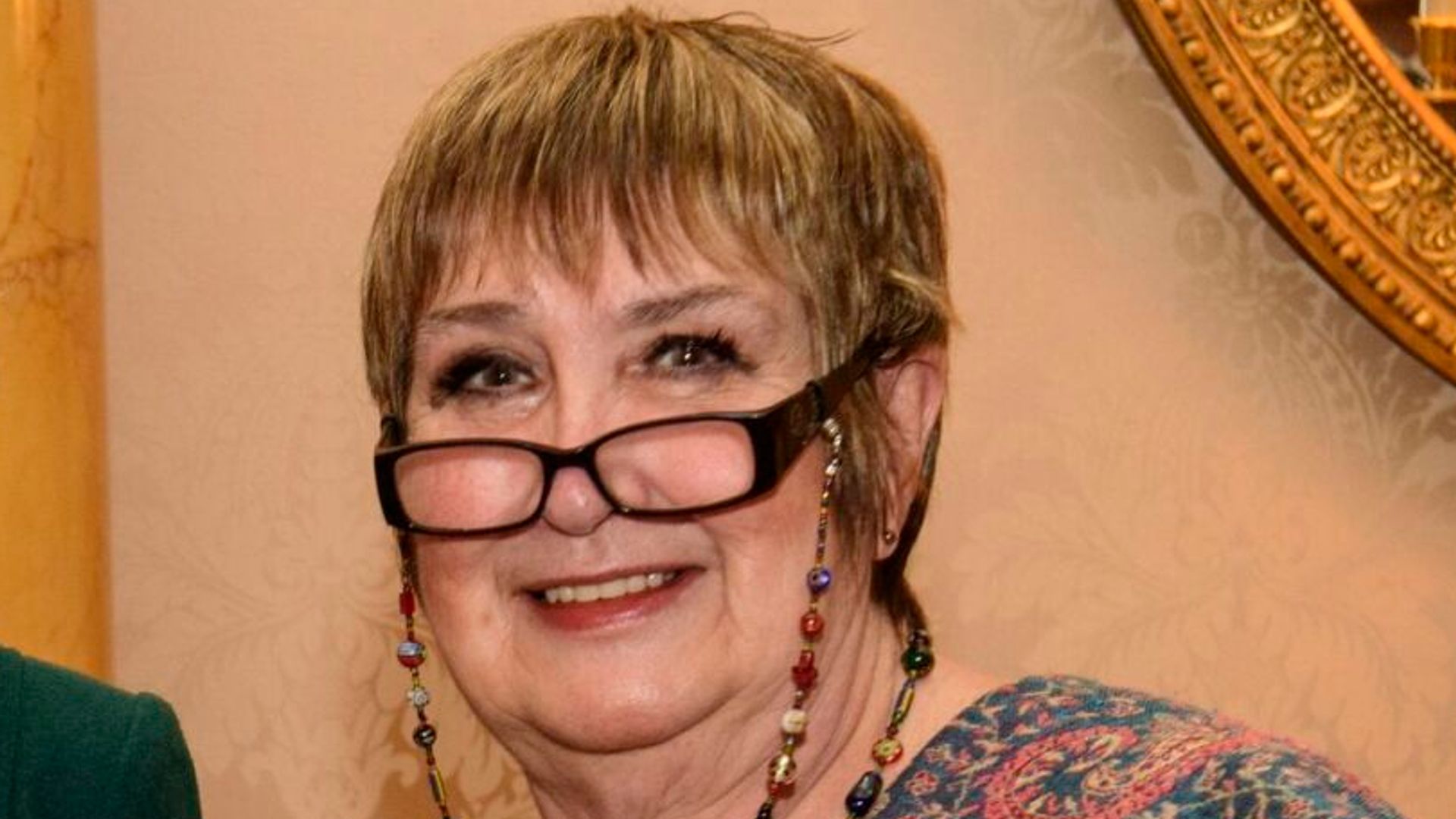
Dame Jenni Murray, renowned broadcaster and journalist, tragically passed away days after a car accident caused by being momentarily blinded by oncoming headlights, a recent inquest has disclosed. The findings shed light on the circumstances leading to the fatal crash and highlight the dangers posed by glare from vehicle lights on drivers’ safety.
The Crash That Changed Everything
Though she survived the initial impact, Dame Jenni’s condition deteriorated in the days following the accident. Medical professionals worked diligently to stabilize her, but she succumbed to her injuries shortly afterward. The inquest confirmed her death was directly linked to the collision caused by being dazzled by the headlights.
This tragic event underscores the risks drivers face when confronted with bright lights in low visibility conditions, especially on busy or poorly lit roads.
Understanding the Impact of Headlight Glare on Road Safety
Glare from headlights is a well-documented hazard that can temporarily blind drivers, increasing the likelihood of accidents. When a driver’s vision is compromised, even for a few seconds, the ability to judge distance, speed, and road conditions diminishes sharply.
In Dame Jenni’s case, the inquest highlighted that the blinding headlights prevented her from reacting in time to avoid the crash. This phenomenon is not uncommon, particularly at night or during dusk when light contrasts are starkest.
Road safety experts emphasize the importance of properly aligned headlights and adherence to regulations designed to reduce glare. Additionally, the use of anti-glare technologies, such as polarized windshields and automatic dimming, can help mitigate these dangers.
For drivers, measures like reducing speed when faced with bright lights, averting direct gaze, and ensuring clean windshields can make a critical difference in maintaining control and avoiding collisions.
What This Means for Drivers and Road Safety Policies
The inquest into Dame Jenni Murray’s death serves as a poignant reminder of the lethal consequences of headlight glare. It raises pressing questions about whether current vehicle lighting standards and road safety regulations are adequate to protect drivers from such hazards.
Authorities might consider reviewing guidelines for headlight brightness and positioning to minimize glare risks. Public awareness campaigns could also educate drivers on how to cope safely with dazzling lights on the road.
Moreover, this incident highlights the importance of ongoing research into vehicle lighting technologies, aiming to strike a balance between optimal road illumination and driver safety.
For families and communities, the loss of a respected figure like Dame Jenni Murray brings home the urgent need for enhanced road safety measures to prevent similar tragedies.
Looking Ahead: Lessons from a Tragic Loss
Dame Jenni Murray’s untimely death following a headlight-induced crash is a stark illustration of the vulnerabilities all drivers face. It compels a deeper examination of how environmental factors and vehicle design intersect to influence road safety outcomes.
As authorities and manufacturers explore solutions, drivers should remain vigilant about the risks posed by glare and adjust their driving behavior accordingly. This includes reducing speed, increasing following distances, and using available technologies to mitigate blinding light effects.
Ultimately, the hope is that Dame Jenni’s story will inspire meaningful changes that protect countless lives on the road and honor her memory by preventing future tragedies.