

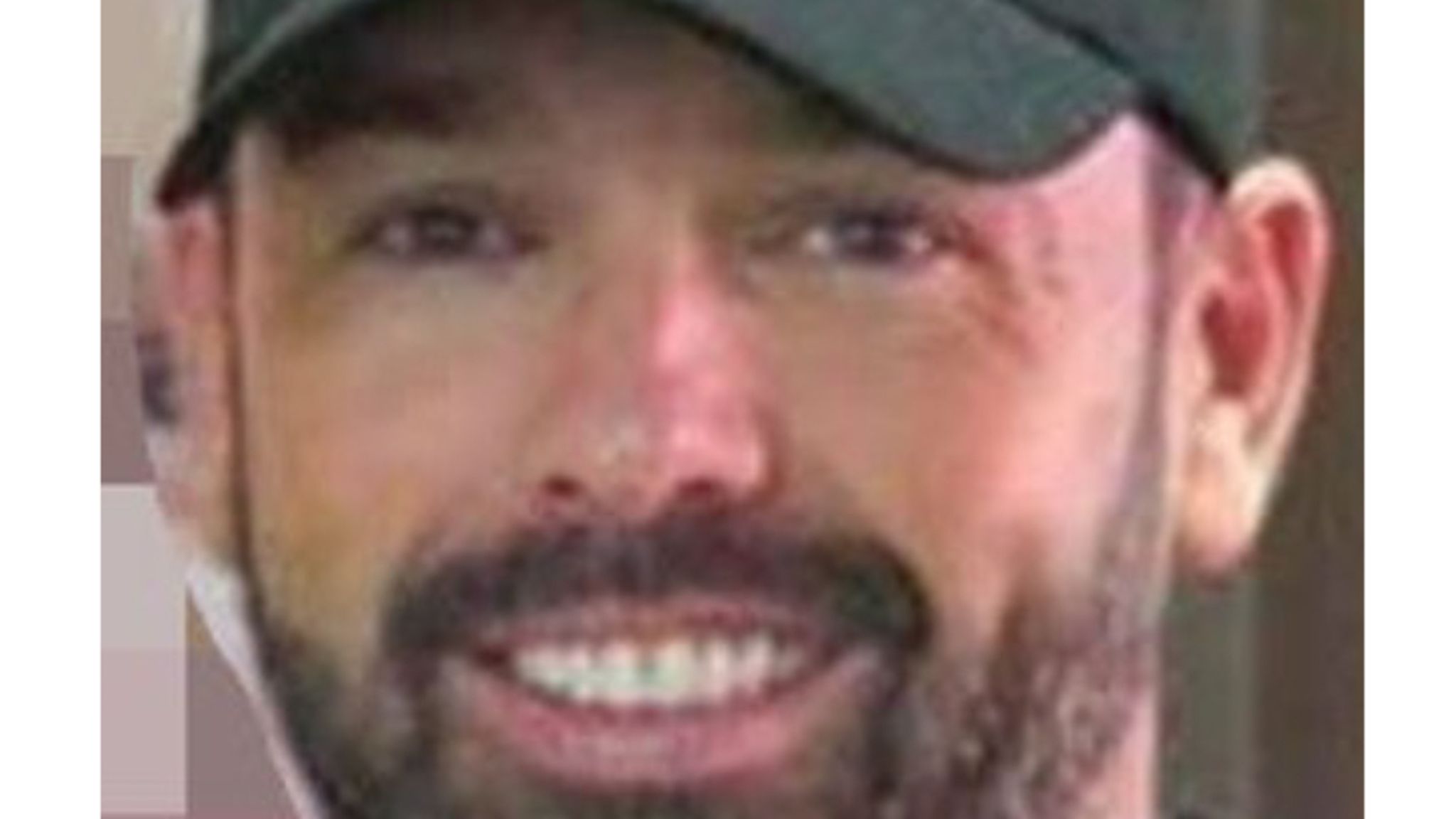
Daniel Kinahan, one of Ireland’s most notorious crime figures, was arrested in Dubai following allegations of his involvement in a sprawling international organised crime network. This arrest marks a significant stride in the global crackdown on transnational criminal enterprises.
What Happened: The Arrest and Legal Background
The arrest of Kinahan came swiftly after an Irish court issued an official arrest warrant. Dubai authorities, acting on a judicial file provided by Ireland, launched an intensive search and surveillance operation. Within 48 hours, they successfully detained Kinahan on 15 April, identifying him as a key suspect linked to an international organised crime syndicate.
Irish police confirmed the detention of a man in his late 40s, aligning with the extradition agreement between Ireland and the United Arab Emirates (UAE). While the arrest was executed in Dubai, local authorities emphasized that the matter remains under the jurisdiction of the UAE authorities for now.
A statement from Irish law enforcement highlighted the arrest as a crucial example of the importance of international cooperation in fighting transnational organised crime. This collaboration between countries aims to dismantle complex criminal networks that operate across borders, undermining law and order globally.
Who Is Daniel Kinahan and Why Does This Matter?
Daniel Kinahan has long stood at the center of Ireland’s criminal underworld. Dublin’s High Court has previously identified him as a senior figure within a crime gang deeply involved in international drug trafficking and firearm offences. His criminal influence extends far beyond Ireland, with operations reportedly spanning multiple countries.
In 2022, the United States government escalated efforts to apprehend Kinahan by offering a reward of up to $5 million for information leading to his arrest. This move underscores the severity and international scale of his alleged criminal activities.
Kinahan’s name also surfaced in the boxing industry, where he co-founded a prominent management and promotions company. Though the company later folded, his connections to the sport brought an unusual public profile to a figure otherwise known for illicit dealings.

Violence linked to Kinahan’s criminal operations has had deadly consequences. In 2016, a brutal feud between his gang and the rival Hutch gang culminated in a dramatic assassination attempt at a boxing weigh-in event in Dublin. Men disguised as armed police opened fire, targeting Kinahan. He narrowly escaped, but gang member David Byrne was tragically killed as he tried to flee the scene.
Why the Arrest Is a Game-Changer in Combatting Organised Crime
The capture of Kinahan in Dubai represents more than just the detention of a high-profile criminal. It symbolizes how international law enforcement agencies are increasingly united in their efforts to confront and disrupt organised crime networks that operate on a global scale.
Kinahan’s alleged involvement in drug trafficking and arms offences suggests the breadth and complexity of the criminal enterprises he is accused of leading. Such networks contribute to widespread societal harm, including drug addiction crises, violence, and corruption worldwide.
By arresting Kinahan, authorities send a clear message that no matter how far these criminal figures attempt to evade justice, international collaboration will close the net. This arrest could potentially lead to further investigations, prosecutions, and the dismantling of his criminal network.
Looking Ahead: What Comes Next?
While the UAE currently holds Kinahan, the extradition process will be closely watched by law enforcement agencies and the public alike. His transfer to Irish or possibly US authorities for trial could pave the way for significant revelations about the structure and operations of his crime syndicate.
This case also highlights the evolving nature of organised crime, which increasingly relies on cross-border coordination and sophisticated methods to evade detection. The Kinahan arrest underscores the necessity for ongoing, robust international partnerships in law enforcement and judicial cooperation.
In conclusion, Daniel Kinahan’s arrest in Dubai is a pivotal moment in the fight against organised crime. It reinforces the power of global collaboration to bring high-profile criminals to justice and disrupt the illicit networks that threaten communities worldwide. The coming months will reveal more about the impact of this arrest and the broader efforts to combat international crime.