

More than 370 motorists have flouted lane closure rules on smart motorways this year, resulting in combined fines and associated costs exceeding £100,000. This growing trend highlights ongoing challenges in enforcing traffic regulations on these technologically advanced roadways and raises critical questions about road safety and driver compliance.
Understanding Smart Motorways and Lane Closures
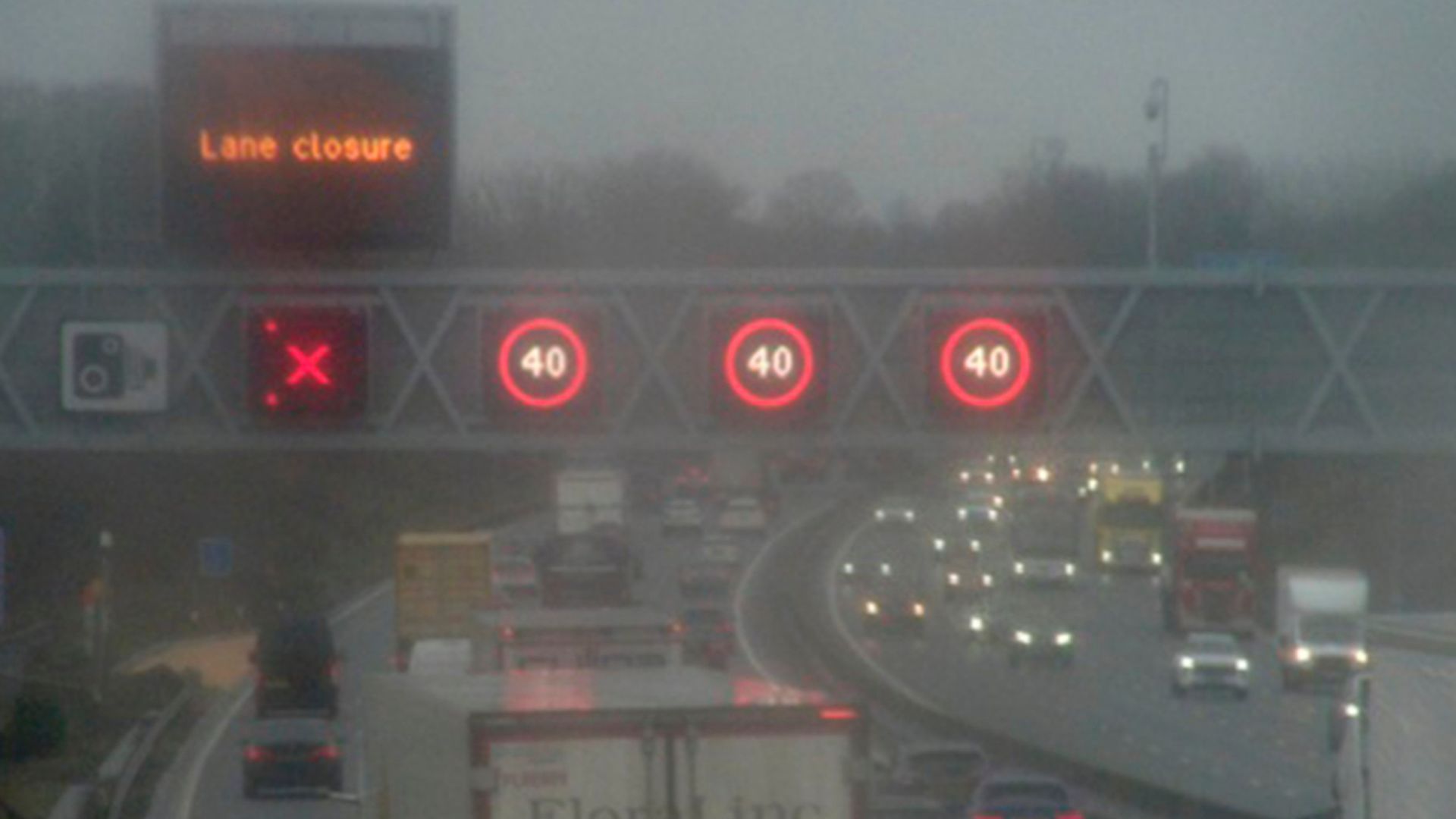
Smart motorways are sections of the UK motorway network designed to manage traffic flow dynamically using technology such as variable speed limits and lane control signals. One key feature is the ability to close lanes temporarily for incidents or maintenance, often indicated with red X signs above the lane. Ignoring these closures not only violates traffic laws but also endangers both drivers and emergency responders working on the motorway.
According to recent research, nearly 380 drivers have bypassed these lane closures in the current year alone. Each violation triggers fines, penalties, and legal costs, which add up to a staggering total of more than £100,000. This figure underscores the financial consequences motorists face when disregarding road safety measures on smart motorways.
Why Drivers Ignore Lane Closures
Several factors contribute to drivers ignoring smart motorway lane closures. Some motorists may find the signage confusing or fail to notice the illuminated red X signals in time. Others might deliberately take the risk to avoid congestion or save time, underestimating the dangers involved.
Smart motorway enforcement relies heavily on cameras and automated systems to detect violations. However, enforcement can be complicated by the rapid changes in lane status and the need for clear, prompt communication to drivers. The research suggests that despite technological advances, many drivers either misunderstand or disregard the rules, prompting calls for enhanced education and stricter enforcement.
The Broader Impact and What This Means for Road Safety
Ignoring lane closures on smart motorways poses significant risks. Closed lanes often indicate hazards such as breakdowns, accidents, or roadworks. Drivers who disregard closures increase the likelihood of collisions and endanger the lives of emergency personnel. The financial penalties serve as a deterrent, but the human cost of non-compliance remains a pressing concern.
The cumulative fines exceeding £100,000 this year reflect both the scale of the problem and the government’s commitment to cracking down on dangerous driving behavior. As smart motorways become more widespread, ensuring that drivers understand and adhere to lane closure rules will be essential for maintaining safety and traffic efficiency.
Authorities may need to invest more in public awareness campaigns, clearer signage, and real-time communication tools to reduce confusion. Additionally, ongoing analysis of enforcement data can help identify hotspots and tailor interventions where violations are most frequent.
Looking Ahead: Enhancing Compliance and Safety
The challenge of enforcing lane closures on smart motorways underscores the complex intersection of technology, driver behavior, and road safety. While fines and penalties provide financial consequences for violations, fostering a culture of compliance requires a multifaceted approach involving education, technology upgrades, and robust enforcement.
For drivers, the takeaway is clear: ignoring smart motorway lane closures carries not only hefty fines but also severe safety risks. Observing lane signals and closures protects lives and ensures smoother traffic flow for everyone on the road.
As smart motorway networks expand, continuous monitoring and adaptation of enforcement strategies will be vital. Stakeholders must collaborate to balance innovation in traffic management with the imperative of safeguarding all road users.