

England supporters traveling to the MetLife Stadium in New Jersey for the 2026 World Cup are confronting an unexpected and steep transport cost: $150 (£111) for a mere 15-minute train journey from New York City’s Penn Station. This fare is nearly 12 times higher than the usual $12.90 (£9.50) round trip price, igniting frustration and debate months before the tournament kicks off.
What’s Behind the Drastic Fare Increase?
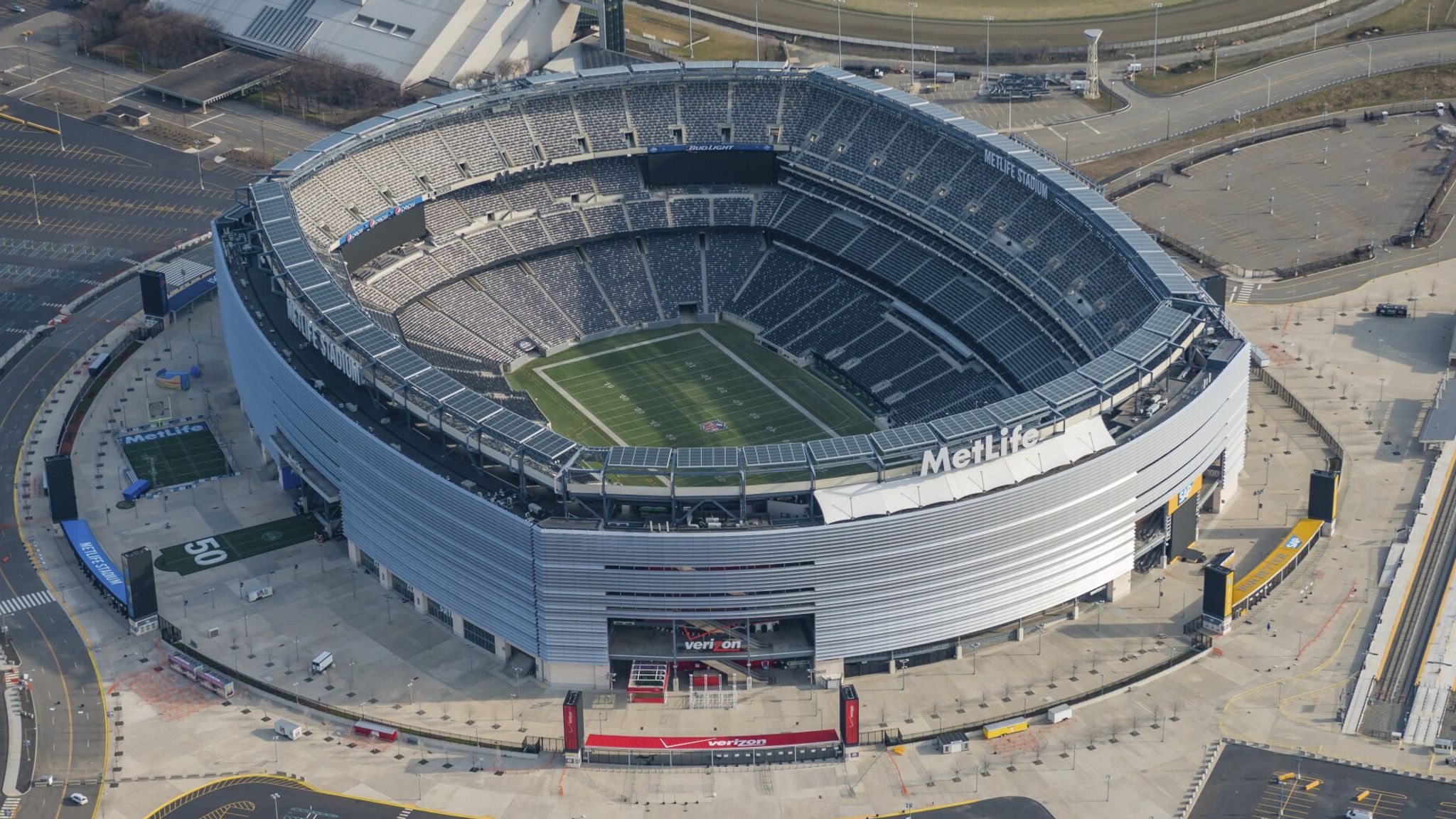
The MetLife Stadium, located in East Rutherford, New Jersey, hosts NFL teams like the New York Giants and Jets and will serve as a key venue for the World Cup, including England’s critical group stage match against Panama on June 27. Other football powerhouses such as Brazil, France, and Germany will also play matches there, with the stadium slated to host the World Cup final on July 19.
The dramatic fare hike stems from a financial dispute between New Jersey state officials and FIFA over who should bear the costs of transporting tens of thousands of fans to matches. New Jersey’s Governor, Mikie Sherrill, defended the increase, emphasizing the need to avoid burdening local taxpayers with a massive bill for hosting the event — estimated at $62 million (£46 million). Grants cover only a fraction of this cost, around $14 million (£10 million), forcing NJ Transit to raise prices substantially to recoup expenses.
Kris Kolluri, NJ Transit’s president and CEO, rejected accusations of “price-gouging,” explaining the fare hike as a necessary step to cover operational costs for shuttling fans to the stadium. He stated, “We are literally trying to recoup our costs,” underscoring the financial strain on public transit during the tournament.
Transport cost issues are not confined to New Jersey. In Boston, buses to Gillette Stadium — another World Cup venue — will charge $95 (£70) per trip, a sharp increase from the usual $20 (£15) fare for New England Patriots games. Thousands have already purchased $80 (£59) round-trip train tickets for the 30-mile journey to Foxborough for the tournament.
Meanwhile, other host cities like Los Angeles and Philadelphia have pledged to keep transport fares stable, leveraging approximately $100 million (£74 million) in federal grants allocated for additional buses and trains during the World Cup.
The Clash Between FIFA and Host Cities Over Transport Costs
The fare hikes have sparked public quarrels between FIFA and local governments. Governor Sherrill publicly called on FIFA to cover transportation costs, tweeting that the global football body “should pay for the rides.” FIFA responded by reminding that host cities agreed in 2018 to provide free transport for fans as part of their hosting contracts.
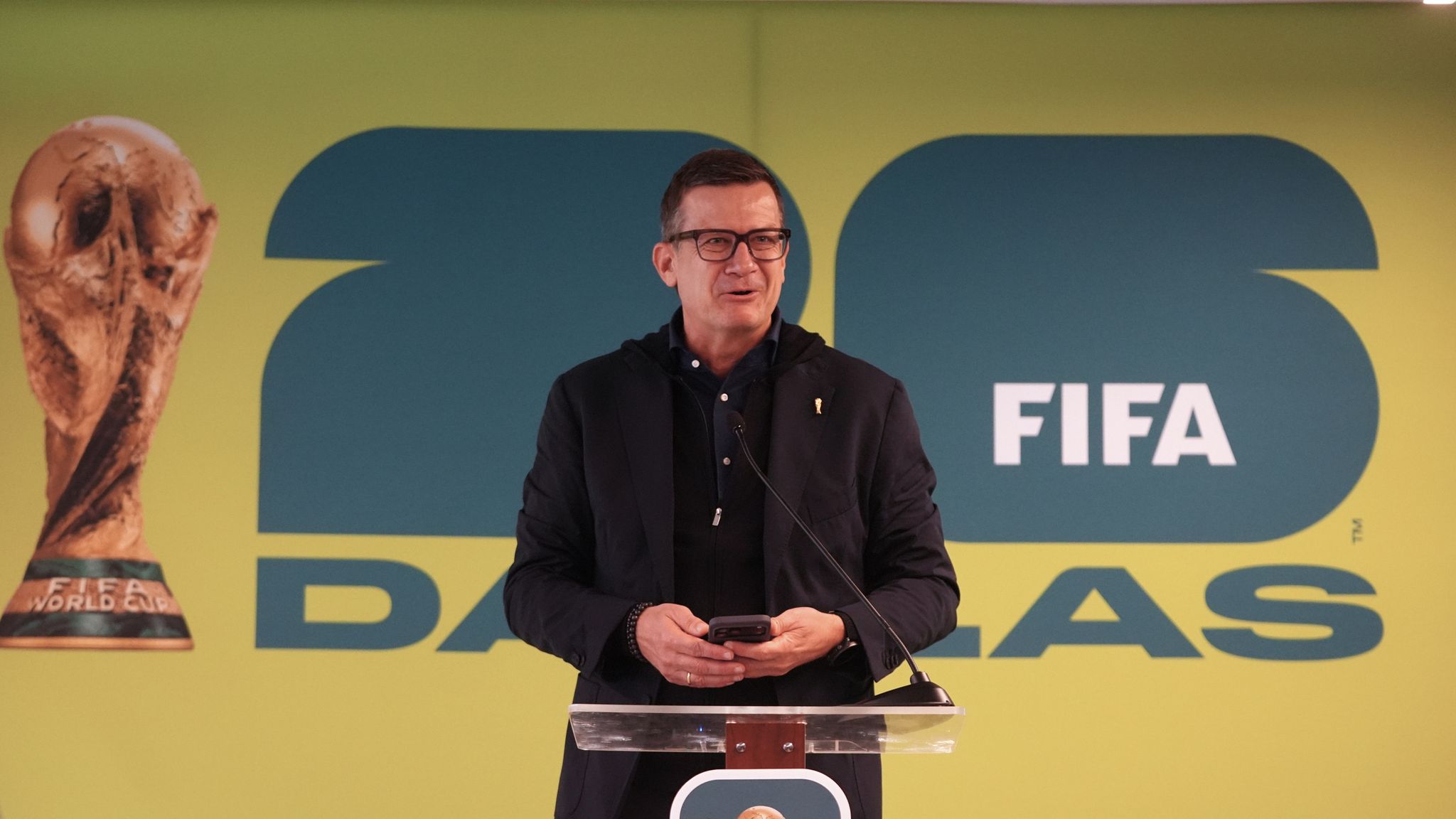
Heimo Schirgi, FIFA’s Chief Operating Officer for World Cup 2026, criticized the demand that FIFA absorb the elevated transport costs, calling it “unprecedented.” In a recent statement, Schirgi warned that such pricing policies would “have a chilling effect” on fan attendance and encourage alternative transportation modes. This, he cautioned, could increase congestion, lead to late arrivals, and ultimately undermine the economic benefits and legacy the event is supposed to create for the region.
Football journalist Henry Winter condemned the fare hikes as “worse than mad,” highlighting the impact of dynamic pricing on fans’ experience. He remarked that the high costs could dampen the atmosphere and enjoyment for supporters worldwide, calling the situation “sad, wrong, and immoral.”
Even New York Governor Kathy Hochul weighed in, expressing skepticism about New Jersey’s pricing strategy, stating the $150 fare “sounds awfully high to me.” This tension between neighboring states underscores the complexities of managing a multinational sporting event hosted across multiple jurisdictions.
Why This Matters: The Broader Impact on Fans and the World Cup Experience
The 2026 World Cup marks the first time the tournament returns to the United States since 1994, offering a massive opportunity to showcase the sport’s growth in North America. However, the inflated transport fares threaten to alienate loyal fans, particularly those traveling internationally to support their teams.
High transportation costs could reduce attendance at key matches, especially among working-class and younger fans who are more price-sensitive. Limited parking availability and exorbitant fees push tens of thousands of fans toward public transit, where these fare surges may force some to seek alternative, less reliable travel options.
Beyond the immediate inconvenience, the pricing controversy risks damaging the tournament’s reputation and economic legacy in host communities. A vibrant, enthusiastic fan atmosphere is critical to the World Cup’s success, generating tourism revenue, local business growth, and media attention. If fans feel priced out or frustrated, the event’s broader social and economic impact could diminish.
As the countdown to the tournament continues, stakeholders face mounting pressure to find a fair balance between covering operational costs and ensuring the World Cup remains accessible and welcoming for all fans.
Looking Ahead
With England and other football giants set to draw massive crowds at MetLife Stadium, resolving the transport fare dispute is urgent. While local authorities seek to protect taxpayers, FIFA and fans demand affordability and fairness. The outcome will shape not only travel logistics but also the overall fan experience and legacy of the 2026 World Cup in the United States.
Fans, officials, and organizers alike will be watching closely as these negotiations unfold, hoping for a solution that preserves the spirit of the beautiful game while managing the practical realities of hosting one of the world’s largest sporting events.