The Environment Agency (EA) has identified a staggering 117 waste sites across England designated as “of concern,” collectively storing close to two million tonnes of waste. This revelation raises pressing questions about environmental safety, community health, and the future of waste management in the country.
What Are These Waste Sites of Concern?
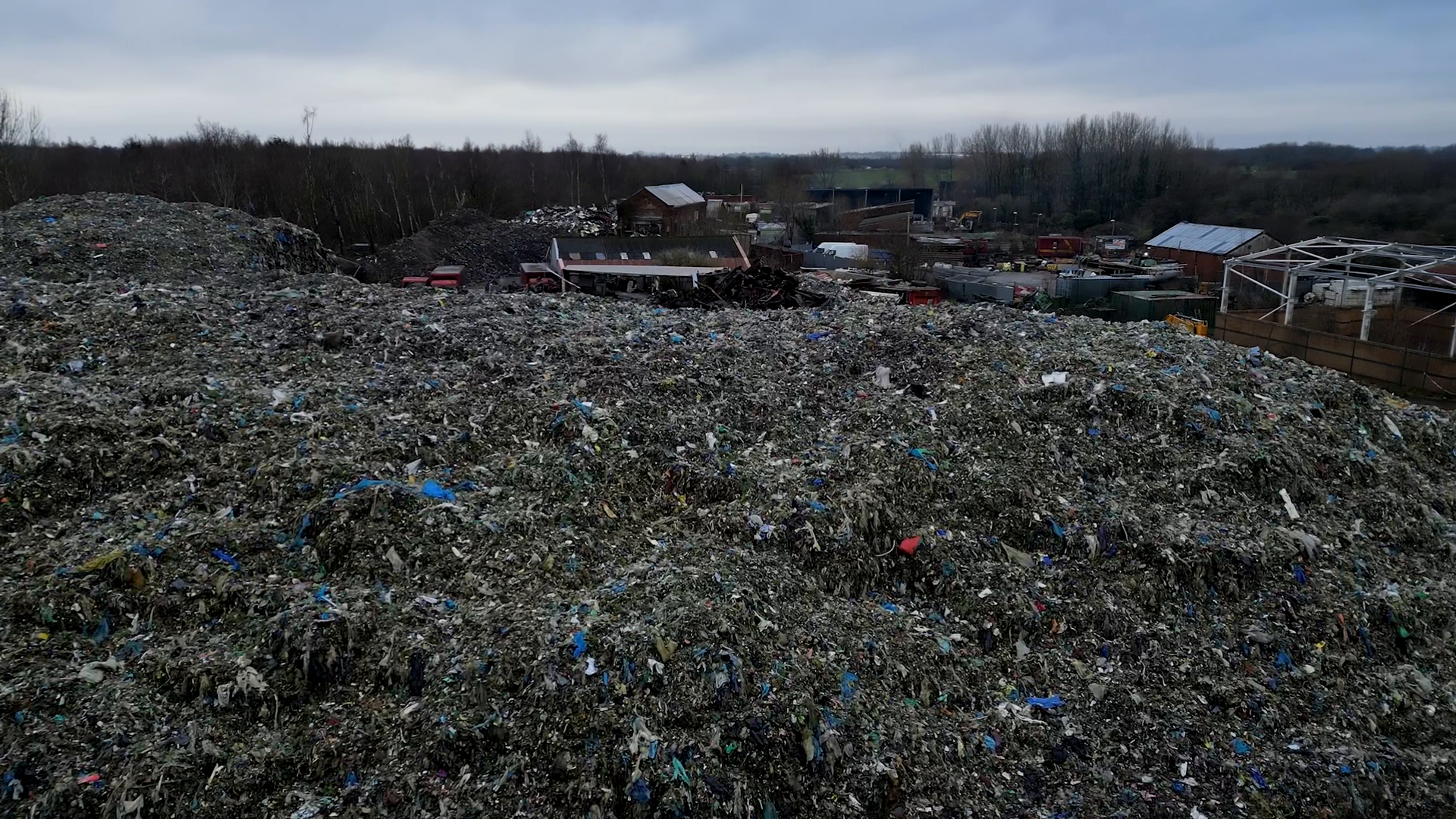
The Environment Agency’s recent disclosure highlights 117 locations across England where waste accumulation has reached critical levels. These sites contain a combined total of nearly two million tonnes of refuse – an enormous quantity that underscores the scale of the nation’s waste challenge.
Waste sites “of concern” are typically those that pose potential risks to the environment or public health. Issues such as groundwater contamination, air pollution from landfill gases, and improper waste handling often characterize these locations. The EA’s identification of these sites aims to prioritize regulatory attention and remediation efforts to mitigate harm.
These sites are spread throughout England, affecting both rural and urban areas. The presence of such large volumes of waste near communities raises concerns about odors, pest infestations, and long-term land usability. Residents living near these dumps may face increased health risks, prompting calls for swift action and transparency from authorities.
Why This Matters: Environmental and Public Health Implications
The sheer volume of waste concentrated in these 117 sites presents significant environmental challenges. Landfills and waste storage areas can release harmful pollutants into surrounding soil and water. Leachate, a toxic liquid byproduct of waste decomposition, can seep into groundwater supplies if not properly managed, contaminating drinking water and damaging ecosystems.
Moreover, decomposing waste generates methane, a potent greenhouse gas contributing to climate change. Without adequate gas capture and control systems, these sites can become major sources of emissions. The EA’s focus on sites “of concern” reflects the urgency to address these environmental hazards before they worsen.
From a public health perspective, communities near these waste sites may experience increased rates of respiratory illnesses, allergies, and other health issues linked to air and water pollution. The social impact of living near large dumps also includes diminished property values and reduced quality of life.
What Comes Next: Addressing England’s Waste Site Challenges
The Environment Agency’s publication of this list serves as a call to action for regulators, local governments, waste management companies, and the public. Identifying these sites lays the groundwork for targeted inspections, improved waste processing standards, and remediation projects designed to reduce risks.
Future measures may involve stricter enforcement of environmental regulations, investment in advanced waste treatment technologies, and enhanced monitoring of landfill gases and leachate. Community engagement will be essential to ensure residents’ concerns are addressed and that redevelopment or remediation plans prioritize health and environmental safety.
Long-term solutions could also include reducing overall waste generation through recycling initiatives, circular economy policies, and public education campaigns. Tackling the root causes of waste accumulation will be crucial in preventing new sites from reaching “of concern” status.
Looking Ahead: What This Means for England
The identification of 117 waste sites holding nearly two million tonnes of refuse is a stark reminder of the ongoing environmental challenges England faces. This issue extends beyond localized dumping problems, reflecting broader systemic challenges in waste management and sustainability.
Effective management of these sites is critical to safeguarding the environment and public health. The Environment Agency’s transparency in revealing these locations provides an opportunity for coordinated action and community involvement. However, the scale of the problem demands sustained commitment from all stakeholders.
As England moves forward, balancing waste disposal needs with environmental protection will be essential. The hope is that through regulatory vigilance, technological innovation, and public awareness, the country can transform its waste landscape into one that supports a cleaner, safer, and more sustainable future.