

European football associations are stepping back from their earlier threat to boycott FIFA competitions, opting instead to explore alternative forms of protest against the controversial tenure of FIFA President Gianni Infantino. This strategic shift signals deepening tensions within the global football community regarding governance and transparency at the sport’s highest level.
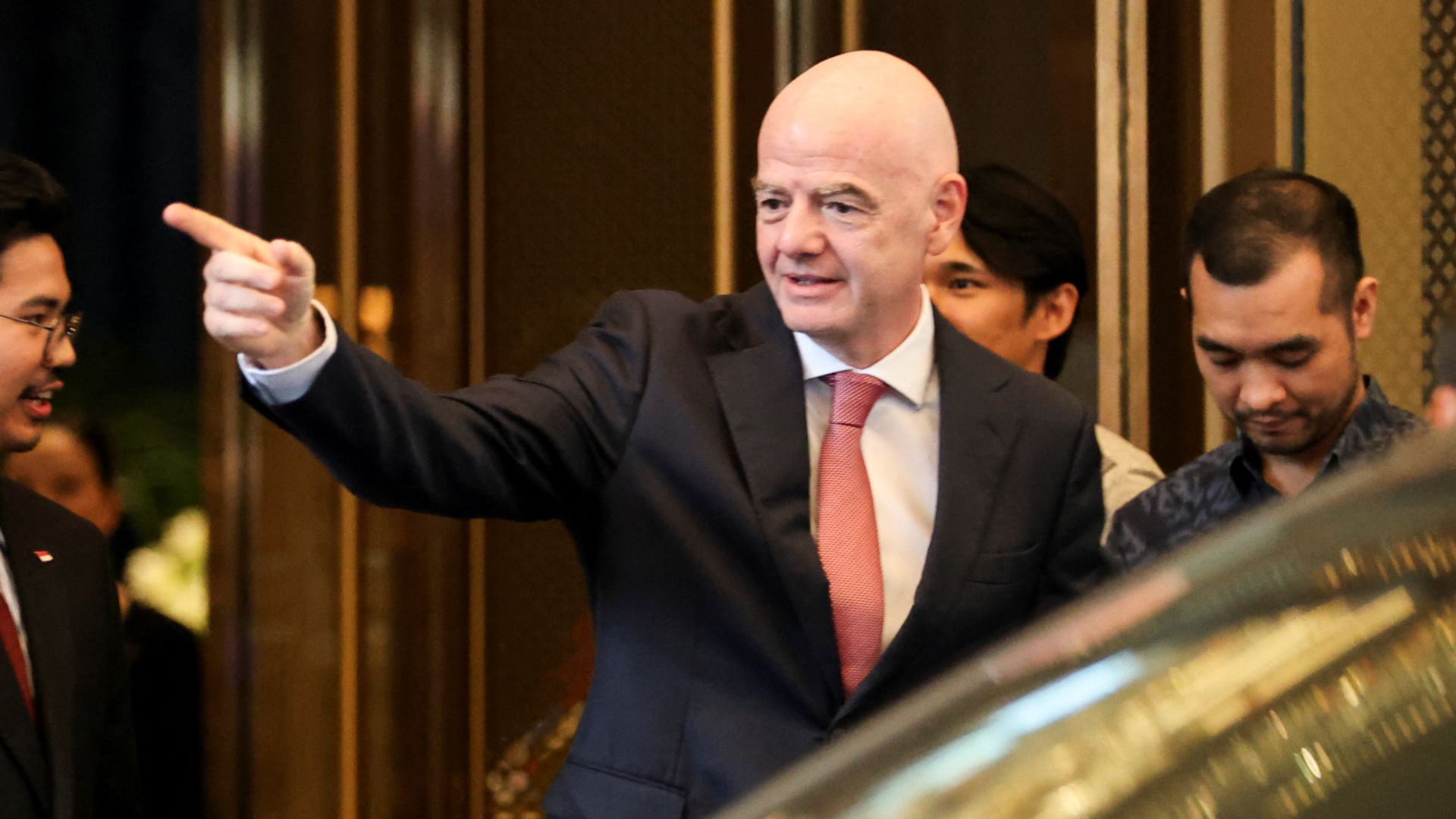
Background: The Boycott Threat and Its Origins
Earlier this year, several prominent European football federations issued a striking ultimatum: they threatened to boycott upcoming FIFA tournaments if significant reforms were not made under Gianni Infantino’s leadership. This unprecedented move reflected growing dissatisfaction among European football authorities concerning allegations of mismanagement and opaque decision-making processes within FIFA.
Infantino, who has led FIFA since 2016, has faced persistent criticism over his handling of various issues, including financial transparency, tournament scheduling, and the expansion of the World Cup format. The European nations’ threat to pull out of FIFA competitions represented an attempt to leverage their considerable influence to demand accountability and structural change.
What’s Changing: From Boycott to Alternative Protests
According to informed sources close to the negotiations, the European football bodies are now reconsidering their approach. While they have decided to withdraw the immediate boycott threat, discussions continue about other forms of protest that can effectively challenge Infantino’s leadership without compromising participation in key tournaments.
This tactical pivot suggests that European nations recognize the potential fallout from an outright boycott, including damaging relationships with fans, sponsors, and players. However, their commitment to pushing for reforms remains firm, as they seek to harness their collective bargaining power in less confrontational but still impactful ways.
Among the proposed alternatives are coordinated public statements, demands for independent investigations, and calls for enhanced governance reforms. These measures aim to maintain pressure on FIFA’s executive while preserving the unity and competitive integrity of international football.
Why This Matters: Implications for Global Football Governance
The European football community’s move away from boycott threats highlights the complex dynamics at play in global sports governance. Europe houses some of the world’s most influential football associations and leagues, including UEFA, the English FA, and the German DFB, which collectively hold substantial sway over FIFA’s operations and financial ecosystem.
By recalibrating their approach, these organizations underscore the challenges of balancing activism with pragmatism in the sporting arena. Their actions could set a precedent for how other regional confederations engage with FIFA leadership disputes moving forward.
Moreover, this episode shines a spotlight on the ongoing debate over FIFA’s transparency and accountability. It raises critical questions about how international sports bodies can maintain integrity while managing diverse stakeholder interests and the enormous commercial pressures tied to global tournaments.
What Comes Next: Monitoring FIFA’s Response and Future Reforms
As European federations continue to deliberate on their protest strategies, attention now turns to FIFA’s response. The organization’s willingness to engage with these concerns and implement meaningful reforms will significantly influence the future stability of international football governance.
Observers anticipate that FIFA will face mounting pressure to increase transparency, improve governance structures, and address the criticisms raised by powerful regional bodies. The outcome of these developments will impact not only upcoming tournaments but also the overall credibility of world football administration.
For fans and stakeholders alike, the evolving saga serves as a reminder of the intricate interplay between sports, politics, and organizational leadership—and the ongoing quest to protect the integrity of the beautiful game.
In summary, European nations’ withdrawal of the boycott threat does not signal retreat but rather a strategic shift toward sustained, constructive pressure on FIFA leadership. The coming months will be critical in determining whether these efforts yield tangible governance reforms or deepen the fissures within global football.