

Eduardo Saverin, the billionaire co-founder of Facebook, has emerged as a key figure approached to join a high-profile consortium aiming to acquire a stake in Liverpool Football Club. This potential investment signals growing interest from global tech entrepreneurs in English football’s top tier.
A New Wave of Billionaire Investors Eyes Liverpool FC
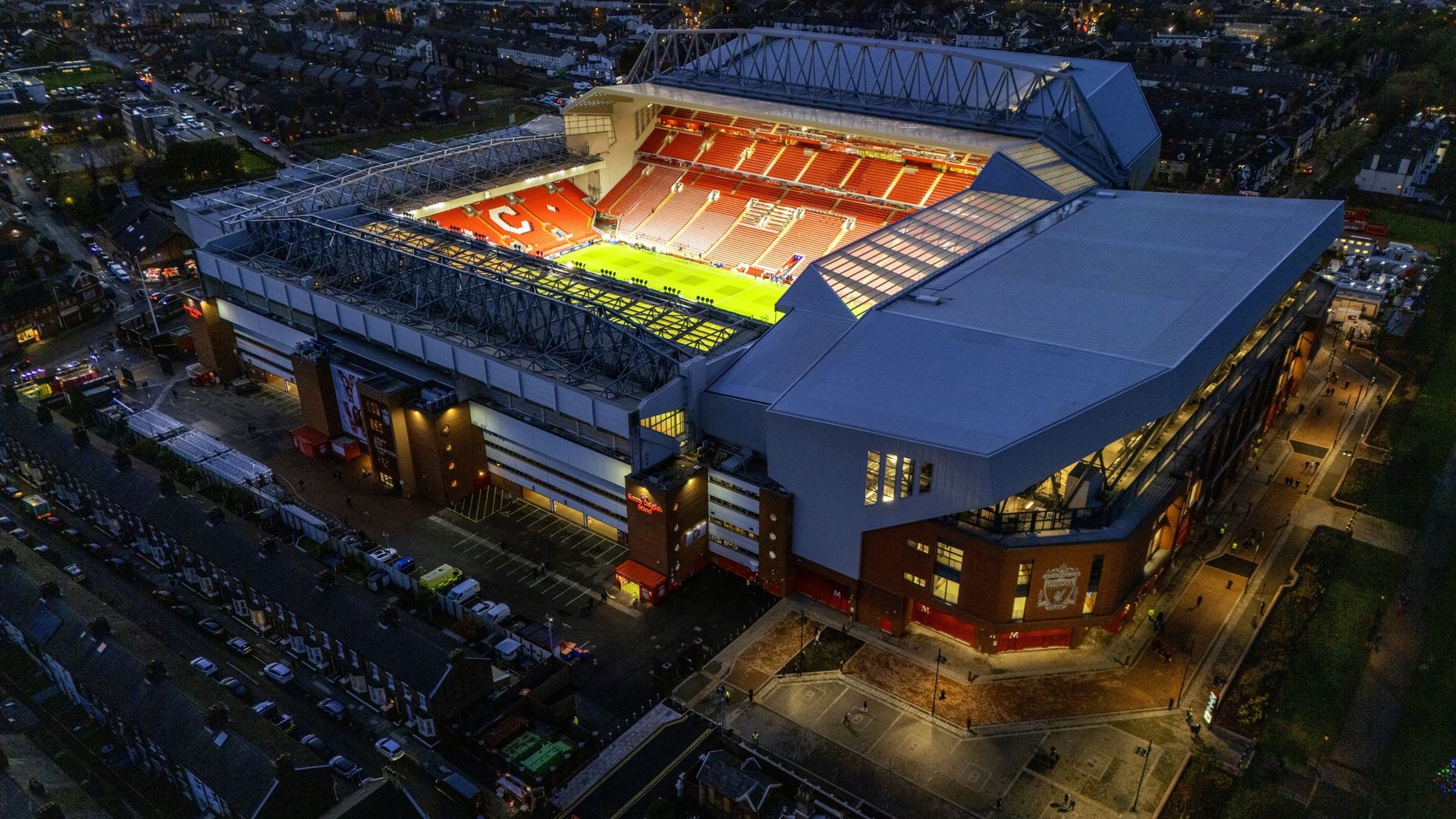
Liverpool FC, one of the most storied football clubs in the world, has attracted attention from a consortium of wealthy investors seeking to secure ownership stakes. The club’s passionate fan base, iconic history, and recent successes under manager Jürgen Klopp have made it an enticing target for investors looking to combine sports prestige with lucrative financial opportunities.
Among those invited to join this group is Eduardo Saverin, whose early role in founding Facebook helped him amass significant wealth. Known primarily for his tech industry success, Saverin’s involvement would mark a notable crossover between Silicon Valley entrepreneurship and European football ownership.
Saverin’s potential participation aligns with a broader trend of billionaires investing in football clubs, especially in the Premier League, which remains one of the richest and most widely watched football leagues worldwide. Ownership stakes in clubs like Liverpool offer not only financial returns but also global influence in the sports and entertainment industries.
Why Eduardo Saverin’s Involvement Matters
Eduardo Saverin’s invitation to join this Liverpool FC ownership bid reflects his growing interest in diversifying investments beyond technology. His background as a venture capitalist and entrepreneur could bring fresh perspectives to the club’s business strategy, potentially influencing areas such as digital marketing, fan engagement, and global brand expansion.
Moreover, Saverin’s participation could accelerate Liverpool’s commercial growth in emerging markets, especially in Asia, where Facebook and other tech platforms have reshaped consumer behavior. The club’s expanding international fan base could benefit from innovative digital initiatives fueled by Saverin’s expertise.
From a financial standpoint, the consortium’s approach to Liverpool FC highlights the increasing value of football clubs as investment assets. Premier League clubs have witnessed soaring valuations in recent years, driven by lucrative broadcasting deals, sponsorship agreements, and merchandise sales. A stake in Liverpool not only offers prestige but also a foothold in a rapidly evolving global sports economy.
What This Means for Liverpool FC’s Future
If Eduardo Saverin and other billionaires formalize their involvement, Liverpool FC could experience significant shifts in ownership structure and strategic direction. This new consortium may bring renewed capital injection, enabling the club to invest more heavily in player acquisitions, stadium improvements, and technological innovation.
However, any changes in ownership must carefully balance the club’s rich traditions and community ties with the demands of modern sports business. Liverpool’s supporters have long valued the club’s identity and voice in football culture, making transparent and responsible ownership critical.
The involvement of high-profile investors like Saverin also underscores the increasing globalization of football club ownership, where cross-industry expertise is leveraged to maximize both sporting success and commercial profitability.
Looking Ahead: The Impact of Tech Billionaires in Football
The potential entry of Eduardo Saverin into Liverpool FC’s ownership consortium exemplifies a broader shift in football club investment trends. Tech entrepreneurs bring unique assets: innovation-driven mindsets, global digital networks, and a strong grasp of branding, all of which can reshape club operations and fan engagement strategies.
For Liverpool FC, this could translate into enhanced digital experiences for fans worldwide, new revenue streams, and reinforced competitiveness on and off the pitch. It also signals the evolving nature of football ownership, where traditional sports investors share the stage with disruptive figures from the technology sector.
As this ownership bid progresses, supporters and stakeholders will watch closely to see how these developments unfold and what they mean for Liverpool’s pursuit of sustained success both domestically and in European competitions.
In summary, Eduardo Saverin’s invitation to join the Liverpool FC ownership consortium highlights an exciting intersection of tech innovation and elite football investment. This move could herald a new era for the club, blending financial muscle with cutting-edge business strategies to maintain Liverpool’s status as a global football powerhouse.