In a bold move to reclaim its position in the competitive social media landscape, Facebook is offering major influencers up to $3,000 per month to create content on its platform. This initiative, dubbed the Content Fast Track programme, targets creators with substantial followings on rival platforms like TikTok, YouTube, and Instagram.
What Is Facebook’s Content Fast Track Programme?
Meta, Facebook’s parent company, has rolled out the Content Fast Track programme to attract “established creators who are new to or rediscovering Facebook.” The offer is specifically aimed at creators boasting over one million followers on other video-sharing platforms. Eligible creators can earn $3,000 per month by posting 15 reels or short videos monthly on Facebook.
The programme is currently open only to creators based in the United States and Canada. Payments last for a maximum of three months, with creators needing to maintain consistent posting throughout this period.
For creators with smaller audiences — those with fewer than one million followers — Facebook offers up to $1,000 monthly under similar conditions. Beyond the fixed payments, participants gain access to Facebook’s monetisation tools, which reward creators based on video views and viewer engagement.

Industry Reaction: Skepticism from Influencer Managers
Despite Meta’s significant investment, some industry insiders question whether this strategy will succeed in luring top-tier creators away from established platforms. Jordan Schwarzenberger, CEO and founder of the management company Arcade and manager of the highly popular influencer group the Sidemen, expressed doubts about Facebook’s approach.

“Facebook hasn’t been a priority for creators for nearly a decade,” Schwarzenberger explained. “People go to platforms for the audience first, then the creators. Simply paying creators to post doesn’t guarantee that their followers will migrate to Facebook.”
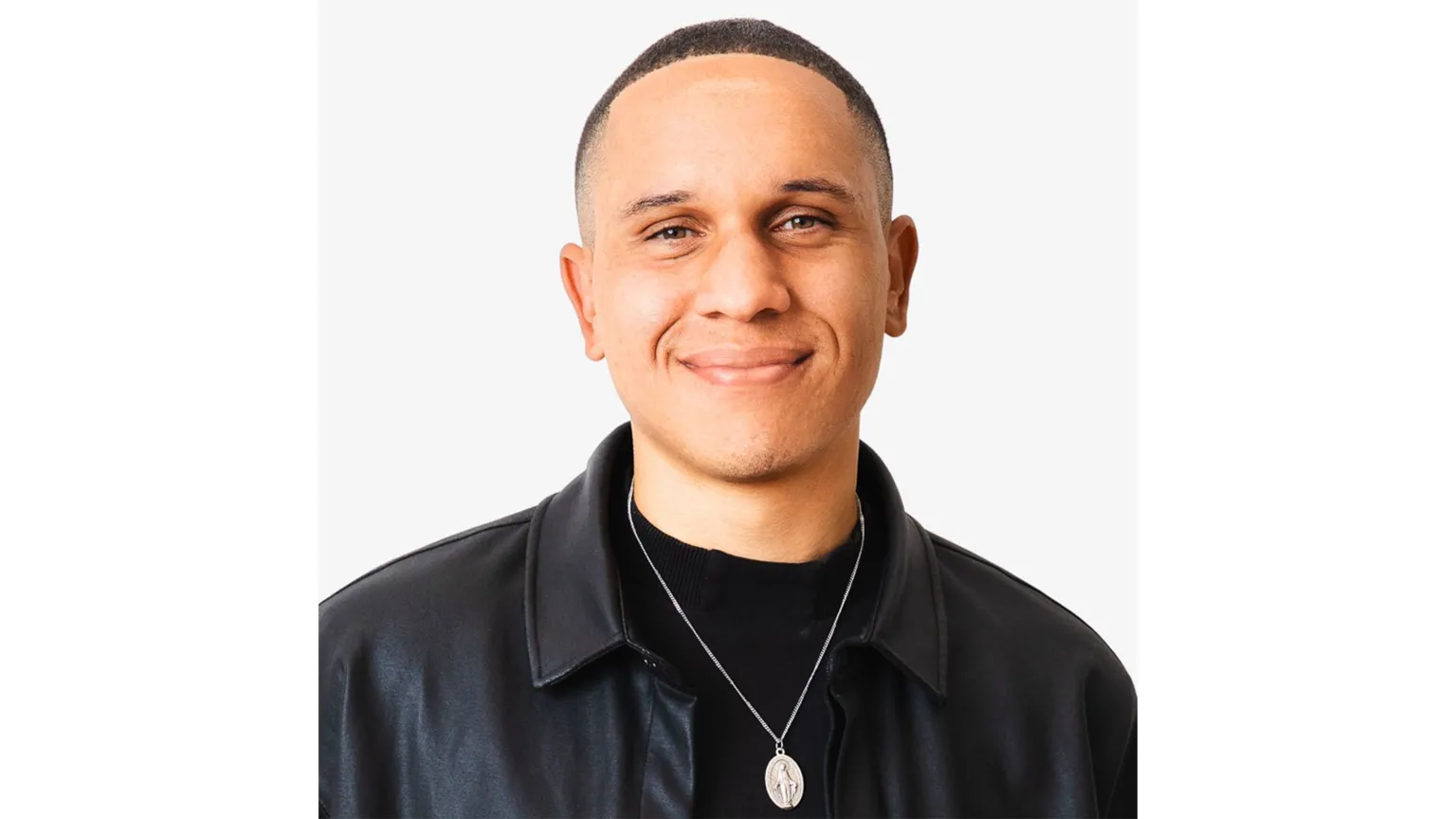
He further noted that most creators with over a million followers earn substantially more through brand partnerships, YouTube ad revenue, and memberships than the $3,000 monthly payment Facebook offers. “At $200 per video, it often doesn’t even cover production costs,” Schwarzenberger said. “For many creators, this financial incentive simply doesn’t make business sense.”
He also pointed out that while smaller creators might be enticed by Facebook’s monetisation opportunities, their presence alone won’t significantly shift audience behavior or platform dynamics.
Why Facebook’s Creator Strategy Matters Now
With over 3 billion users globally, Facebook remains a titan in social media but faces stiff competition from platforms like TikTok and YouTube that dominate short-form video content. Meta publicly revealed it paid nearly $3 billion to creators in 2025 through various monetisation schemes, underscoring how vital creator content has become to its business model.
This latest push signals Meta’s recognition that user engagement increasingly depends on fresh, dynamic content from influential creators. By incentivising top talent to produce exclusive or repurposed content on Facebook, Meta aims to rejuvenate its video ecosystem and recapture younger, more active audiences.
However, the challenge remains: creators often spread their content across multiple platforms simultaneously, diluting exclusivity and user migration. As Schwarzenberger observed, fans are likely to encounter the same videos on TikTok and Instagram, where they already spend significant time.

Looking Ahead: Can Facebook Reignite Creator Growth?
Facebook’s Content Fast Track programme highlights the platform’s urgent need to revitalize its creator community amid rising competition. While the financial incentives may attract some influencers, the critical test will be whether this strategy can boost genuine user engagement and build lasting creator-fan relationships on Facebook.
If creators continue to prioritize platforms where their audiences naturally congregate, Facebook risks remaining a secondary channel rather than a primary destination for video content. For Meta, the stakes are high: successfully revitalizing Facebook’s creator ecosystem could secure its place in the evolving social media hierarchy, while failure may further entrench competitors’ dominance.
Ultimately, Facebook’s ability to balance creator incentives, audience growth, and content quality will determine how effectively it navigates the fiercely competitive digital landscape in the years ahead.