A former wealth manager responsible for pawning a £188,000 modern art collection owned by ex-Premier League football icon Edgar Davids has dramatically avoided her scheduled sentencing by claiming she was struck on the head by luggage. This unexpected development has delayed justice in a high-profile fraud case involving valuable artworks linked to one of football’s most recognizable figures.
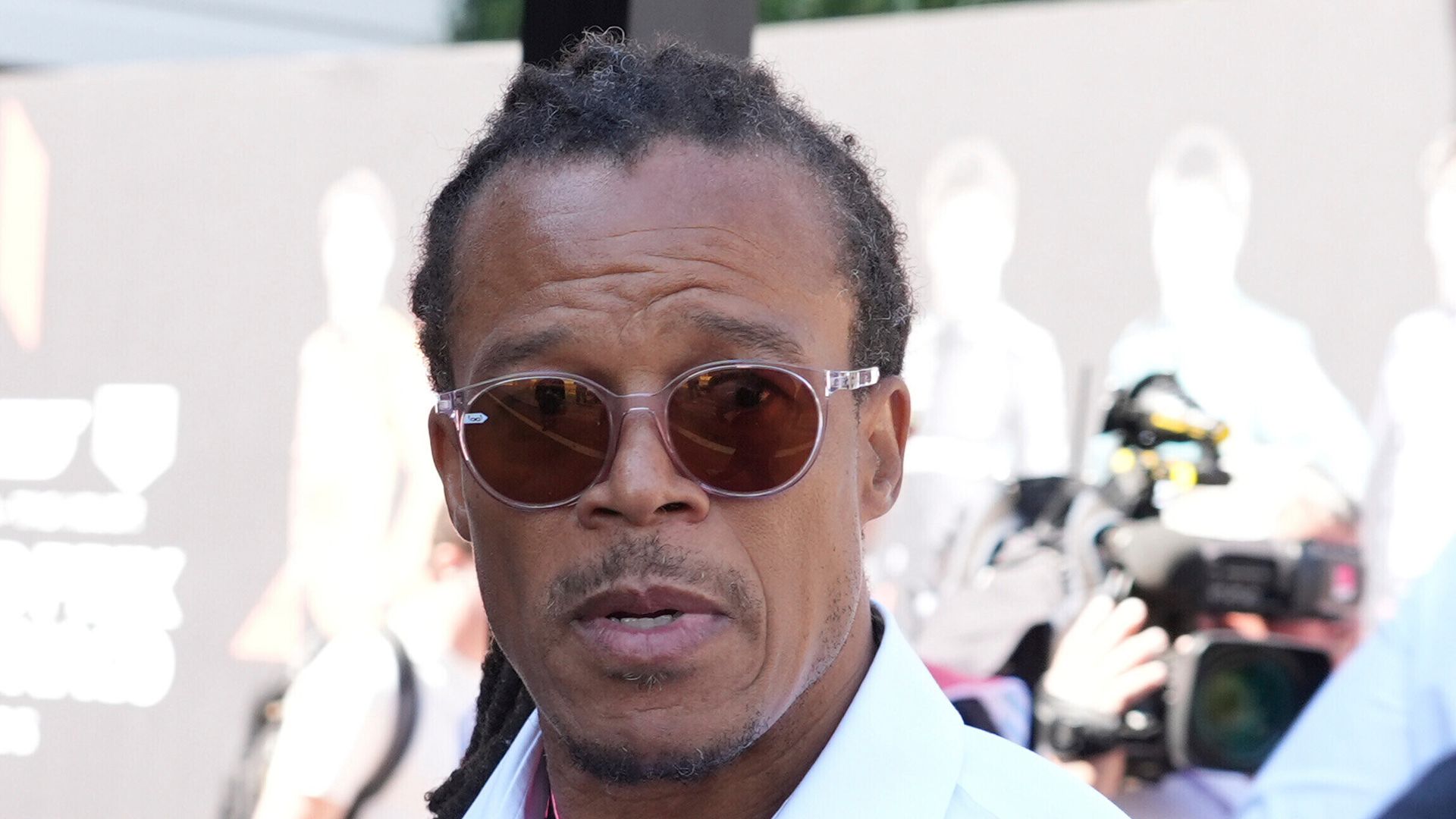
The Art Fraud and Its Fallout
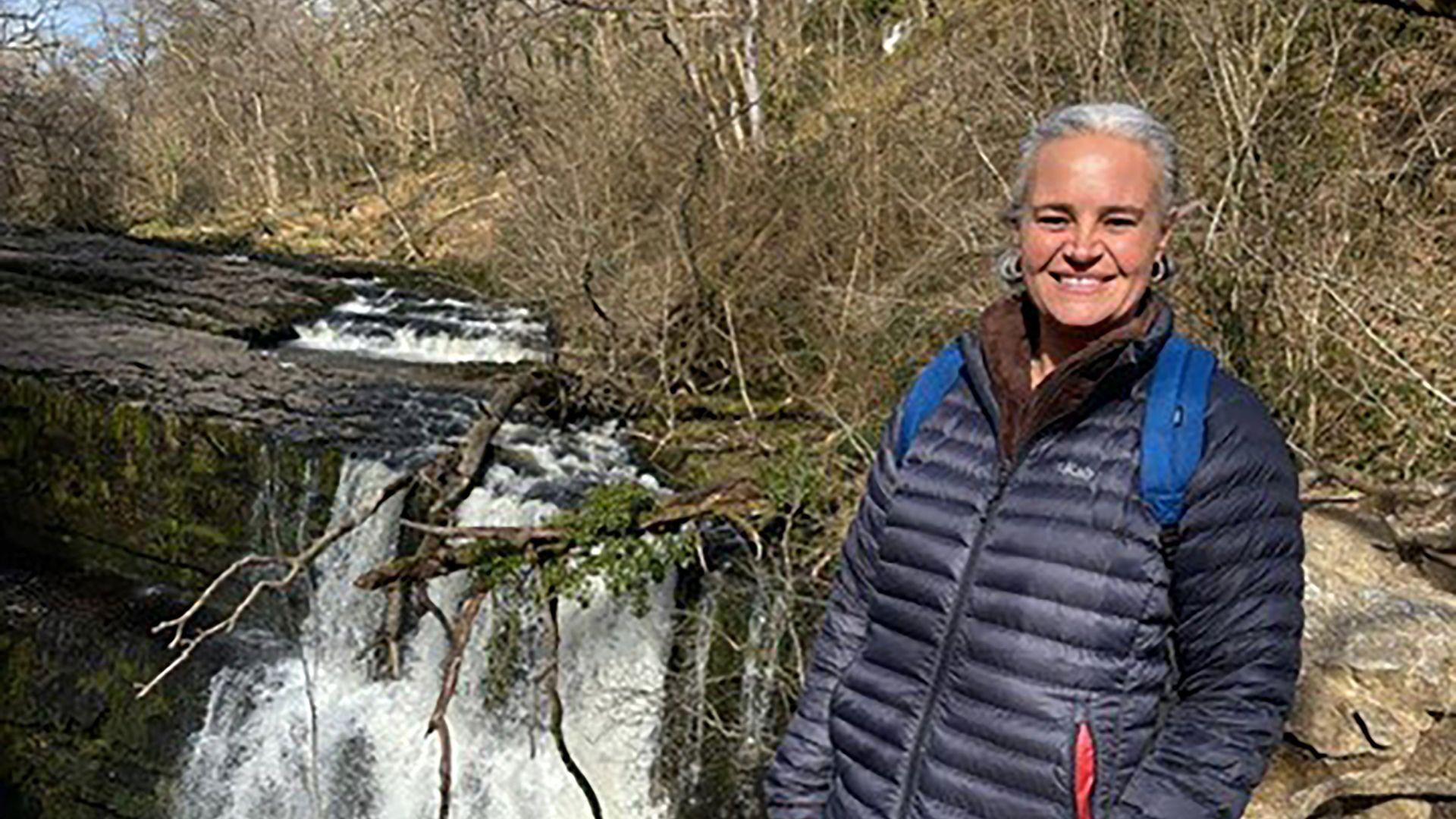
The case centers on a former wealth manager who unlawfully pawned a collection of modern art valued at nearly £188,000. The artworks belonged to Edgar Davids, a celebrated footballer renowned for his tenure in the Premier League and his distinctive playing style. The ex-manager’s actions not only betrayed Davids’s trust but also raised serious questions about the protection of clients’ assets within the wealth management industry.
The pawning of the art collection represented a significant breach of fiduciary duty, as the manager exploited her position to convert valuable possessions into cash without consent. This fraudulent activity has reverberated beyond the financial loss, casting a shadow over the reputation of professionals entrusted with managing high-net-worth individuals’ assets.
Missed Sentencing Due to Unusual Injury Claim
As the court prepared to hand down sentencing, the accused failed to appear, citing an injury sustained when she was allegedly hit on the head by luggage. This claim has postponed the judicial process, leaving victims and observers frustrated as the resolution remains in limbo.
The unusual nature of the injury has drawn attention, with legal commentators noting that such delays can complicate the administration of justice. While defendants have the right to present valid health concerns, unexpected absences in high-profile cases often fuel speculation and media scrutiny.
Why This Case Matters
This incident highlights critical vulnerabilities in how art and valuable assets are safeguarded, especially when entrusted to third-party managers. The intersection of wealth management and asset protection requires stringent oversight to prevent similar abuses.
For Edgar Davids, the loss extends beyond monetary value; it touches on personal property tied to his identity and legacy. The case serves as a cautionary tale for athletes and celebrities who often rely on intermediaries to manage their investments and possessions.
Moreover, the delay in sentencing underscores the challenges courts face when unforeseen events disrupt proceedings. Ensuring accountability in financial crimes remains a paramount concern, demanding robust legal frameworks and vigilant enforcement.
Looking Ahead: What Comes Next?
Authorities and legal representatives are expected to reschedule the sentencing once the defendant’s health status is verified. Meanwhile, the case continues to draw attention to the risks inherent in wealth management and the importance of transparency and ethical conduct.
For victims of similar frauds, this case reinforces the need for due diligence when selecting asset managers and the urgency of legal recourse when breaches occur. It also prompts industry regulators to revisit protocols to better protect clients’ interests.
As the judicial process unfolds, stakeholders across the financial and sports sectors will watch closely, anticipating a definitive outcome that reinforces justice and deters future misconduct.
In summary, the fraud involving Edgar Davids’s art collection reveals significant challenges in asset protection and legal enforcement. The defendant’s unexpected absence from sentencing adds complexity to an already impactful case, leaving many eager for resolution. This episode serves as a stark reminder of the vulnerabilities faced by public figures and the critical need for integrity in wealth management.