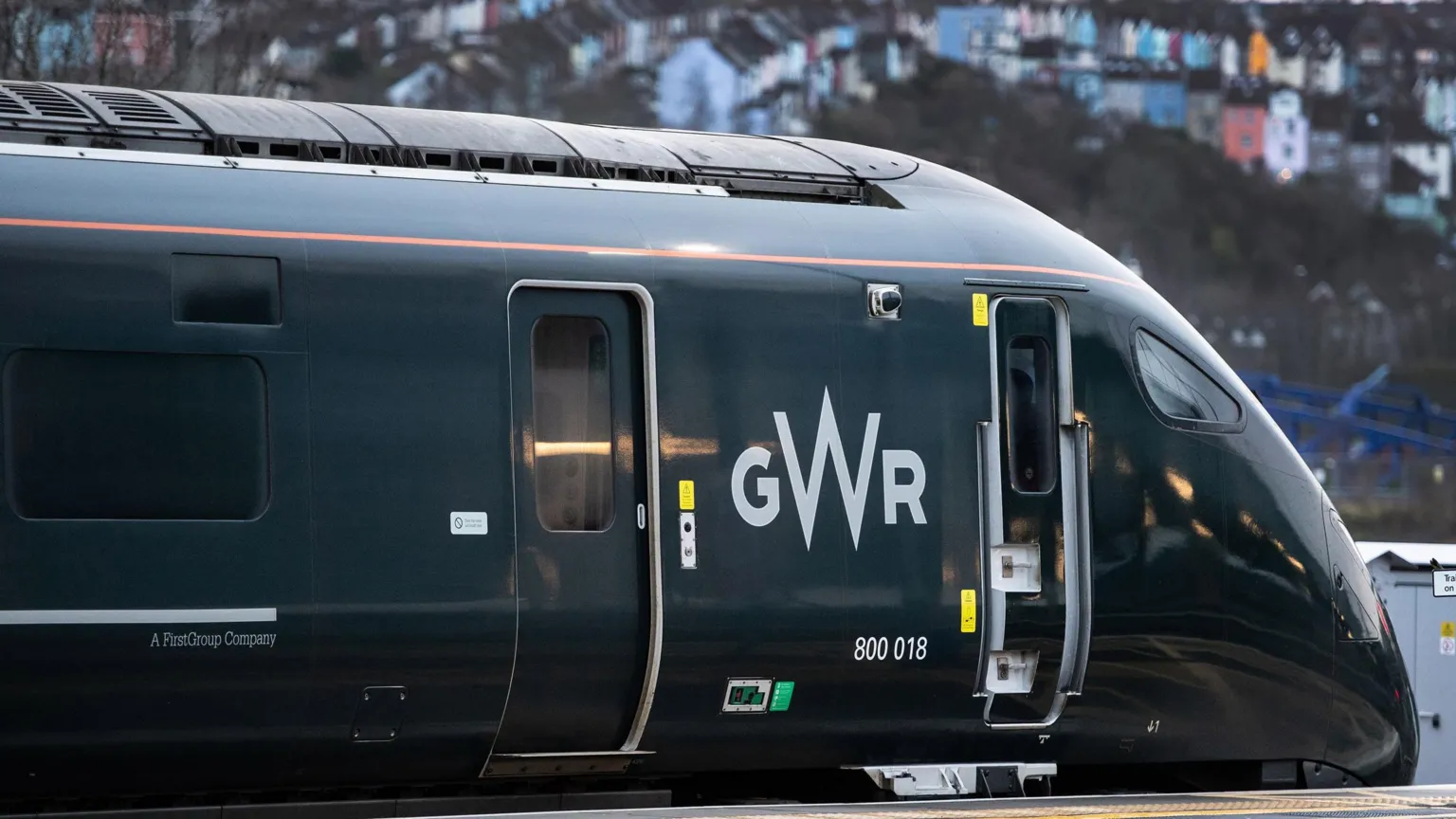
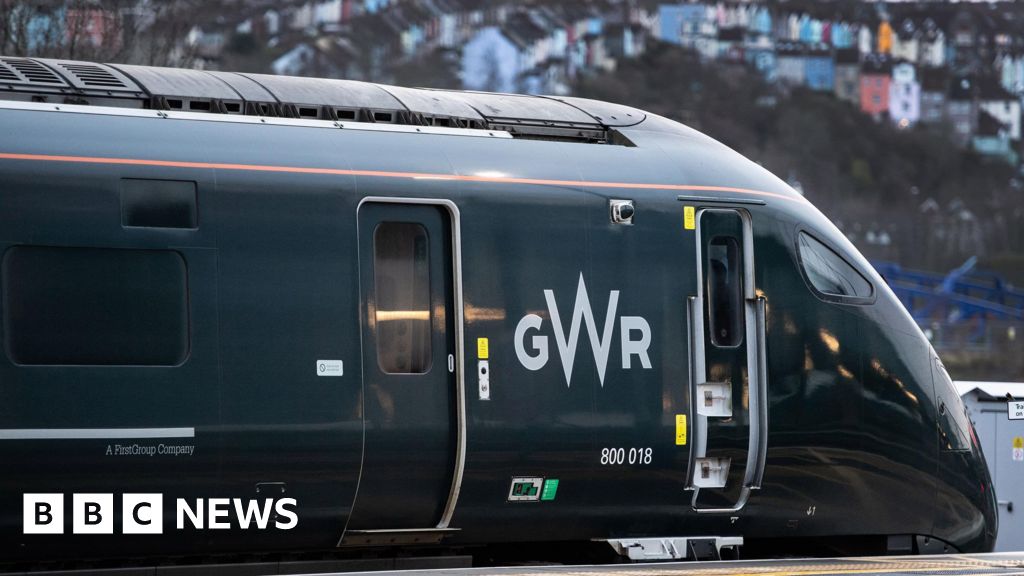
The government has announced a landmark decision to renationalise Great Western Railway (GWR), marking a major shift in the management of rail services across the West of England and South Wales. This transition back into public ownership is set to take place on 13 December 2026, ending the current private franchise model and aiming to prioritize passengers over profits.
The Return of GWR to Public Control
Great Western Railway, headquartered in Swindon, operates critical rail links connecting London with the south-west of England, including key cities like Taunton, Bristol, Gloucester, and extends into South Wales. The franchise has been under private operation for years, but the government’s latest move signals a strategic overhaul of the railway system in this region.
A spokesperson for GWR expressed support for the announcement, emphasizing that the clarity it provides will help the operator continue collaborating effectively with the Department for Transport (DfT). This partnership is expected to smooth the transition and maintain service quality during the changeover.
The Department for Transport described this step as a “significant moment” for British railways. It highlighted that shifting control away from shareholders and placing passengers at the core of operations will improve service standards and accountability.
Integration into Great British Railways
From December 2026, GWR’s services will come under the new public body, Great British Railways. This organization is designed to unify the country’s rail network under a single, publicly accountable structure, streamlining management and fostering long-term investment in infrastructure and customer experience.
Great British Railways will oversee routes stretching from London through the south-west to South Wales, including stops at major hubs like Bristol Temple Meads and Gloucester. This consolidation aims to eliminate fragmentation in service provision, which has often led to operational inefficiencies and confusion for passengers.
Regional Impact and Future Prospects
Helen Godwin, mayor of the West of England Combined Authority, welcomed the renationalisation news enthusiastically. She emphasized the region’s growing demand for improved rail services and the necessity of expanding capacity to meet this need.
“We deserve four trains an hour at stations across our growing regional rail network,” Godwin stated. Her comments reflect the wider ambition to enhance frequency and reliability on local rail lines, which are vital for economic development and reducing road congestion in the region.
Godwin also highlighted the ongoing collaboration with partners to deliver the infrastructure investments required to support this vision. Recent additions to the network, such as the opening of new stations like Ashley Down in Bristol, illustrate the momentum behind regional rail improvements.

Why This Matters
The renationalisation of Great Western Railway signals a broader trend in UK transport policy towards reclaiming public control of critical infrastructure. Advocates argue this shift will lead to better service quality, increased investment in aging infrastructure, and a stronger focus on passenger needs rather than shareholder returns.
For passengers in the West of England and South Wales, this change promises more reliable schedules, improved station facilities, and potentially lower fares, as public ownership removes the pressure to deliver profits to private investors. Additionally, integrating GWR into Great British Railways aims to create a seamless travel experience, simplifying ticketing and connections across the network.
However, the transition also presents challenges, including managing the shift without service disruptions and ensuring that promised infrastructure upgrades materialize on time. The success of this move will depend heavily on effective coordination between government bodies, transport authorities, and local stakeholders.
Looking Ahead
As Great Western Railway prepares to rejoin the public sector, passengers and regional leaders alike anticipate a new era of rail travel focused on accessibility, reliability, and growth. The government’s commitment to this change underscores a renewed emphasis on sustainable transport and regional connectivity.
While full operational details and investment plans are still emerging, the renationalisation of GWR sets a precedent for other franchises and signals a significant transformation in how Britain’s railways serve their communities.