Green Party Victory Puts Keir Starmer Under Pressure as Labour Faces New Political Challenge
The political landscape in the United Kingdom is becoming increasingly unpredictable after a major Green Party breakthrough that has created new challenges for Sir Keir Starmer and the Labour Party.
The result in Greater Manchester has attracted national attention because it represents more than a single election win. It highlights a growing shift in voter behaviour, with some traditional Labour supporters looking towards alternative political movements.
For Starmer, the result raises questions about Labour’s ability to maintain support among progressive voters while also appealing to a wider electorate.
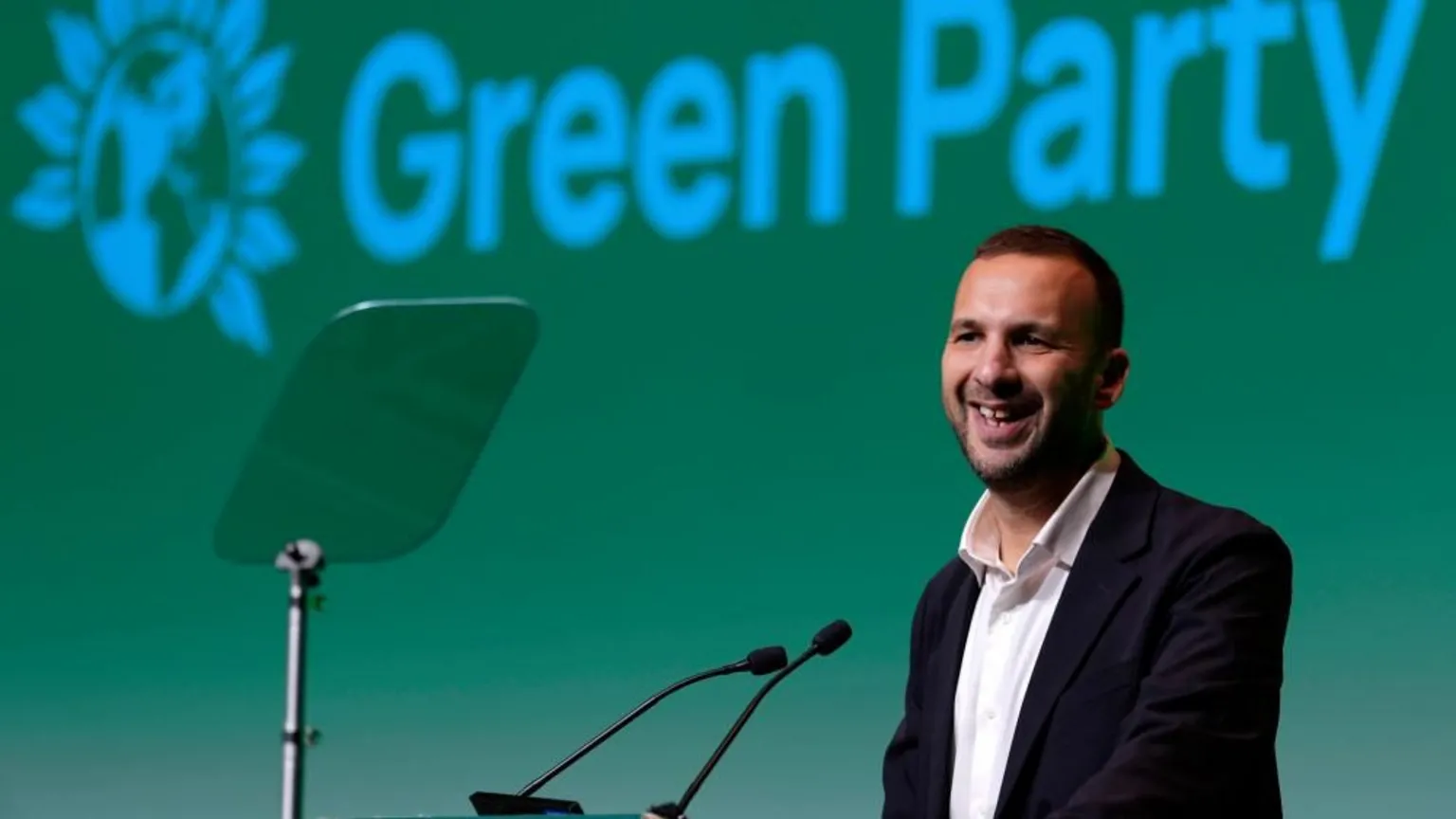
Green Party’s Historic Breakthrough Changes UK Political Landscape
The Green Party’s success marks an important moment in British politics. Traditionally, UK politics has been dominated by Labour and the Conservative Party, but recent elections have shown increasing support for smaller parties.
The Green Party has successfully attracted voters who are concerned about:
- Climate change policies
- Public services
- Social inequality
- Local community issues
- Trust in traditional political parties
The victory demonstrates that environmental politics is no longer a niche issue. Many voters now consider climate action and sustainability important factors when choosing political representatives.
Why the Result Matters for Keir Starmer and Labour
The Green Party’s victory creates a difficult challenge for Labour leader Sir Keir Starmer. Labour has traditionally relied on strong support from centre-left voters, including those who prioritise social change and progressive policies.
However, the rise of the Greens suggests that some voters are exploring different political options.
Labour now faces the challenge of maintaining support among:
- Younger voters who care strongly about climate policies
- Progressive voters seeking stronger social reforms
- Communities demanding better local representation
- Traditional Labour supporters expecting visible change
For Starmer, the issue is not only about losing one election or one area. It is about whether Labour can continue to represent a broad range of voters in an increasingly competitive political environment.
Are Labour Losing Progressive Voters to the Greens?
One of the biggest questions following the Green Party victory is whether Labour is losing support among progressive voters.
The Greens have successfully positioned themselves as a party focused on environmental protection, social justice and community-driven politics. These messages have attracted voters who believe stronger action is needed on issues such as climate change, housing and public services.
Younger generations, in particular, have shown interest in political movements that focus on long-term issues rather than traditional party identities.
However, while the Green Party has gained momentum, converting local success into nationwide influence remains a major challenge.
What Does the Green Party Victory Mean for UK Politics?
The result reflects a wider transformation happening across British politics.
The traditional two-party system is facing increasing competition from:
- Green Party
- Reform UK
- Liberal Democrats
- Independent candidates
Voters appear more willing to move between parties depending on specific issues rather than remaining loyal to one political group.
This creates a more fragmented political environment where parties must work harder to maintain public support.
Labour’s Next Challenge: Winning Back Public Trust
For Labour, the priority will be rebuilding confidence among voters who feel disconnected from mainstream politics.
Possible areas of focus include:
Stronger Climate Policies
Labour may need to strengthen environmental commitments to compete with the Greens.
Better Local Engagement
The party must reconnect with communities and understand local concerns.
Clearer Political Messaging
Voters often respond better when parties communicate simple and practical solutions.

Could the Green Party Become a Major Political Force?
The Green Party still faces significant challenges.
A successful national movement requires:
- More elected representatives
- Strong local organisations
- Broader voter appeal
- Clear economic policies
While the victory represents momentum, converting that momentum into long-term political influence will be the real test.
The party must convince voters that it can address not only environmental issues but also wider concerns such as housing, healthcare and the economy.
The Future of Keir Starmer’s Leadership
The Green Party’s breakthrough increases pressure on Keir Starmer, but the long-term impact depends on how Labour responds.
Political setbacks can either weaken a party or encourage it to adapt.
For Starmer, the challenge is finding a balance between economic management and responding to voters demanding stronger social and environmental policies.
The coming months will reveal whether Labour can recover support or whether smaller parties will continue gaining influence.
Frequently Asked Questions
Why did the Green Party win the election?
The Green Party benefited from growing interest in climate policies, dissatisfaction with traditional parties and support among voters seeking alternative political choices.
Is Keir Starmer losing support because of the Green Party?
The Green Party’s rise creates pressure on Labour, especially among progressive voters, but national political trends depend on many factors.
Can the Green Party replace Labour?
Replacing Labour nationally would require significant growth in MPs, funding and voter support. The current success is an important step but not enough alone.
What does this mean for UK politics?
The result suggests British politics is becoming more competitive, with smaller parties playing a larger role.
Will Labour change its policies after the Green Party victory?
Labour may face pressure to review its approach to climate, public services and voter engagement.
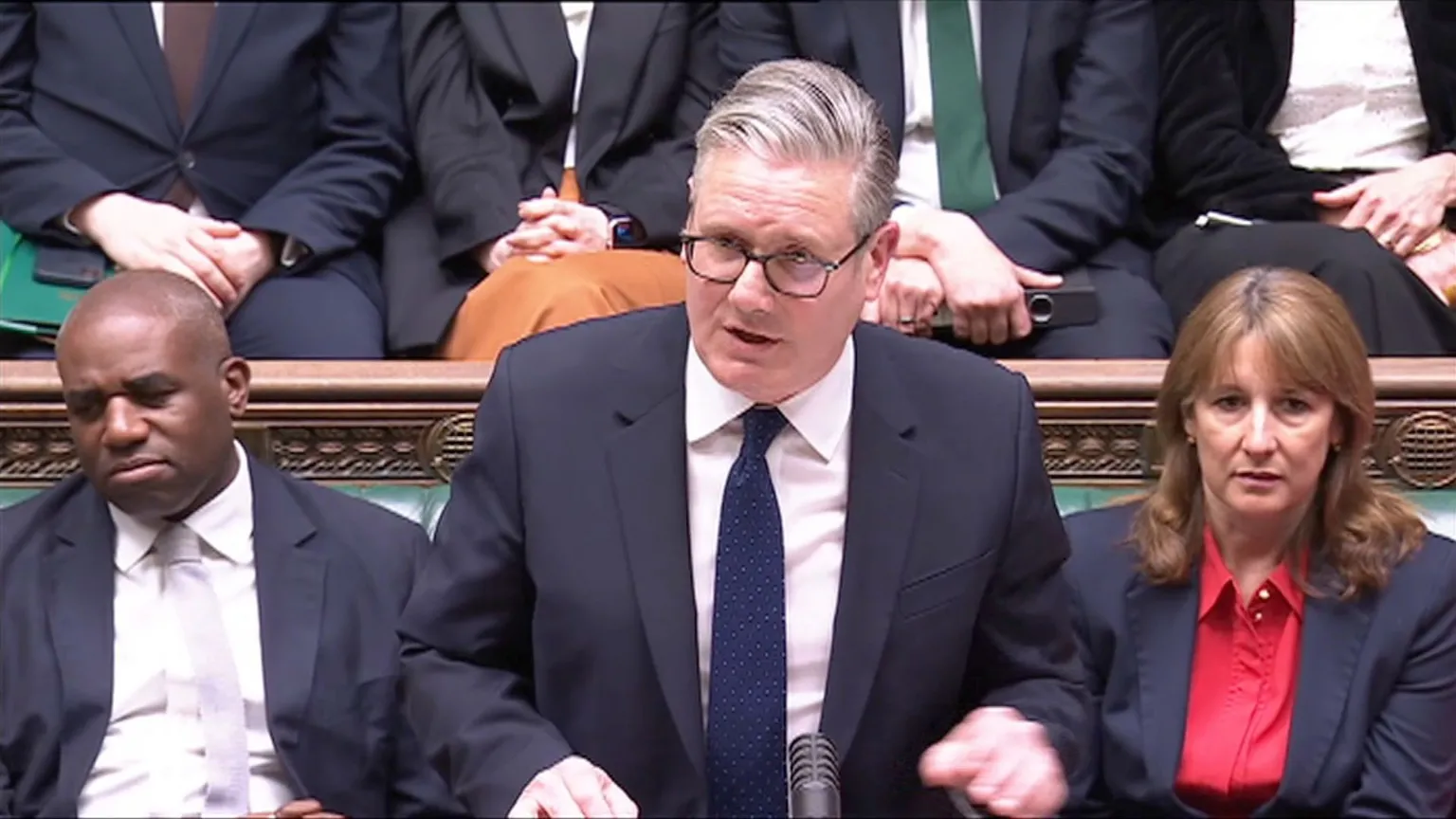
Keir Starmer in Commons
Ultimately, this by-election serves as a bellwether for the political challenges ahead. The electorate is signaling a demand for change—whether through traditional parties reforming or new voices rising. For Sir Keir Starmer and Labour, the path forward requires urgent reflection, innovation, and connection with a changing voter base.