

Grocery price inflation, which had recently dipped to its lowest point in 2024, is now climbing again. This resurgence reflects growing concerns over escalating energy costs and subpar harvests that threaten to drive living expenses even higher this winter. Consumers are increasingly vigilant in their shopping habits, hunting for bargains and value as the cost of essentials rises.
What Is Driving the Return of Grocery Price Inflation?
After months of relative stability, grocery prices are once again on an upward trajectory. The main catalysts behind this shift are twofold: rising energy prices and disappointing agricultural yields.
Energy costs play a critical role in food production and distribution. When energy prices increase, farmers face higher expenses for running machinery, irrigation, and processing facilities. Likewise, transportation costs spike, affecting the entire supply chain from farm to supermarket shelf. These additional costs inevitably filter down to consumers in the form of higher grocery bills.
Meanwhile, poor harvests driven by unpredictable weather patterns and other environmental challenges reduce the availability of key crops. Lower yields limit supply, which puts further upward pressure on prices. This combination of factors disrupts the delicate balance that had previously kept inflation at bay.
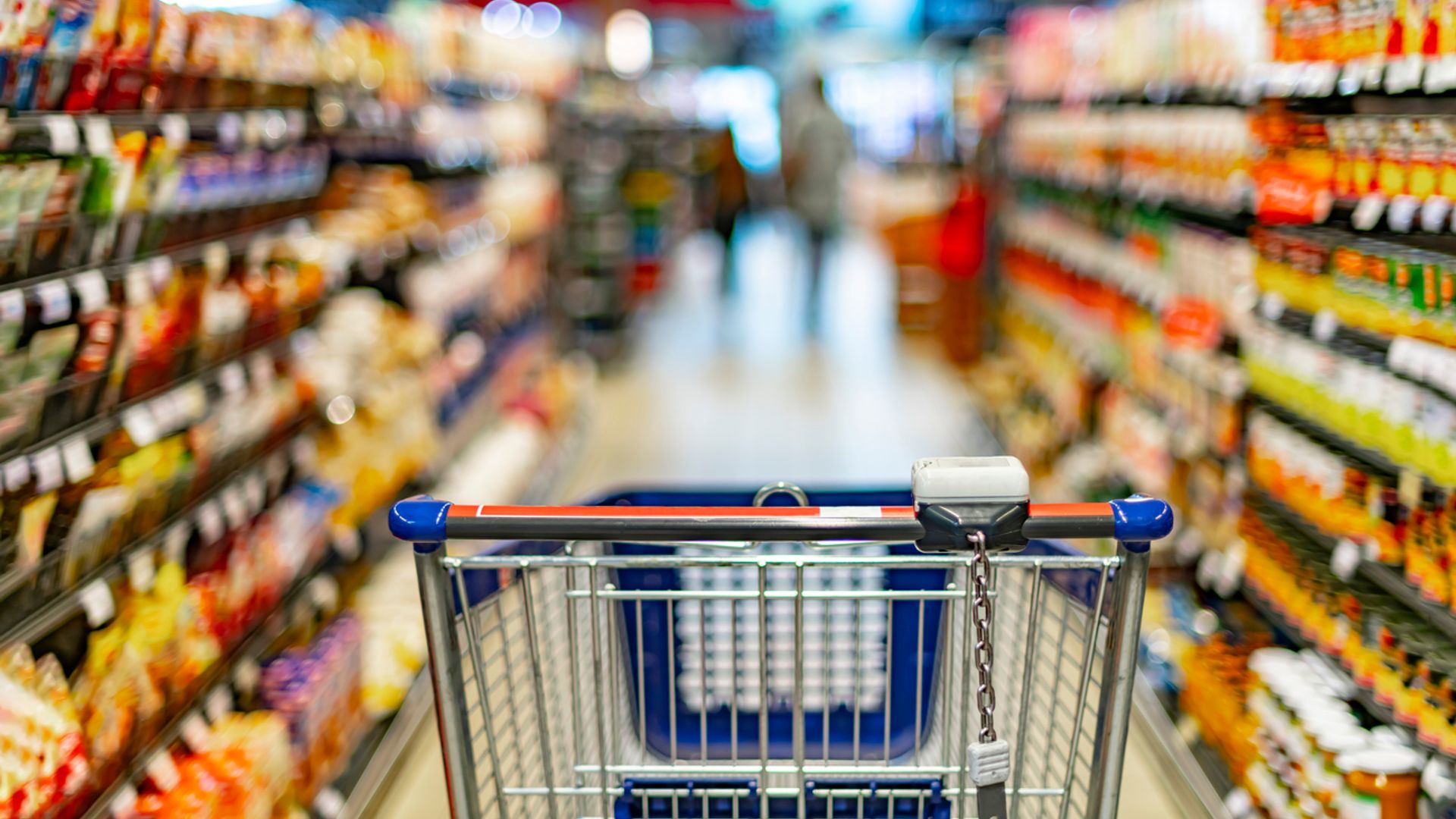
How Shoppers Are Responding to Rising Grocery Costs
As grocery price inflation creeps upward, consumers are adapting their spending behavior. Many shoppers are becoming more strategic, prioritizing essential items and seeking out promotions or lower-cost alternatives to stretch their budgets.
Value-conscious shopping is becoming increasingly common. Households are scrutinizing unit prices, comparing brands, and opting for bulk purchases when possible. Discount stores and private-label products are gaining popularity as shoppers try to mitigate the impact of price hikes.
These adjustments reflect a broader anxiety about the cost of living. With the prospect of a challenging winter ahead, families are bracing for tighter household finances and adjusting their grocery lists accordingly.
Why This Matters and What Lies Ahead
The rise in grocery price inflation is more than just a short-term inconvenience; it signals underlying vulnerabilities in the economy that could affect millions. Food costs represent a significant portion of household spending, especially for lower-income families who are disproportionately impacted by any price increases.
Policymakers and industry leaders face pressure to address these inflationary pressures. Potential responses include supporting energy efficiency measures, investing in resilient agricultural practices, and enhancing supply chain logistics to reduce costs.
For consumers, staying informed and flexible will be crucial in navigating these changes. Monitoring price trends and adjusting shopping habits can help manage budgets during uncertain times.
In summary, the recent uptick in grocery price inflation underscores the fragile interplay between energy markets, agricultural production, and consumer spending. As these forces evolve, shoppers will continue to seek value while facing the challenge of rising living costs this winter.