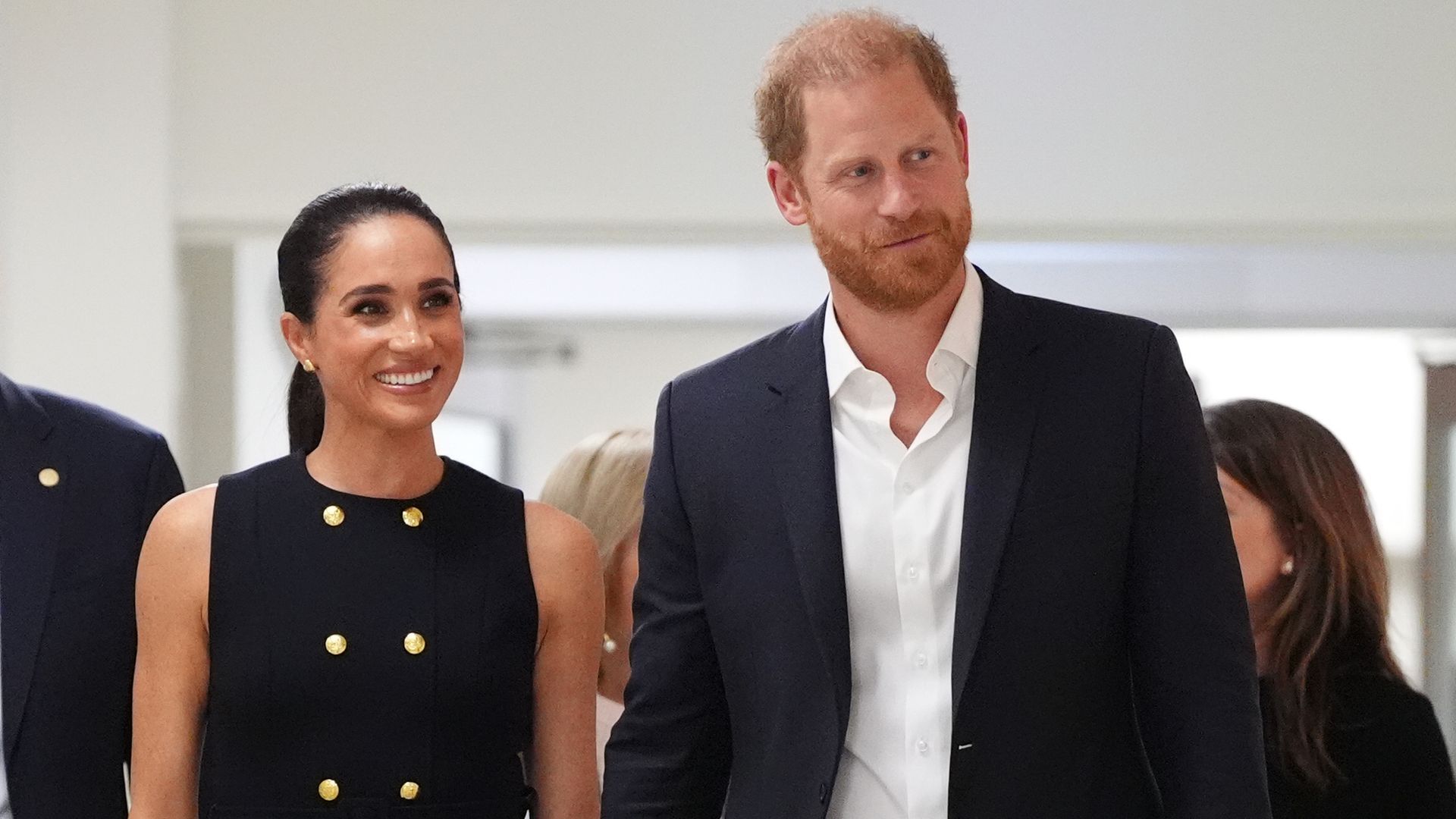
The Duke and Duchess of Sussex have publicly denounced the conduct of paparazzi photographers who have been persistently loitering near their children’s school, describing the behavior as “extraordinarily reckless.” This condemnation highlights ongoing concerns about privacy and safety for high-profile families, especially when minors are involved.
What Happened: Paparazzi Targeting Sussex Children’s School
According to statements from the Sussexes, photographers have been aggressively staking out the entrance and vicinity of their children’s school. The couple expressed alarm at the invasive tactics employed by these paparazzi, which they argue pose a direct risk to their children’s safety and well-being. The persistent presence of photographers disrupts the normal environment of the school community and creates a sense of unease for both students and parents.
This is not the first time that Prince Harry and Meghan Markle have drawn attention to the invasive nature of the press. Since stepping back from official royal duties, the couple has frequently spoken out about the intense scrutiny and intrusion by media outlets, particularly those that pursue sensationalized stories at the expense of privacy.
Why It Matters: Protecting Children from Media Intrusion
The Sussexes’ criticism underscores a broader debate about the limits of press freedom when it comes to the privacy rights of children, especially those born into public life. While public figures often face heightened media attention, experts emphasize that children should be afforded special protection to safeguard their physical and emotional security.
Children attending school deserve a safe and stable environment free from harassment or intimidation. The aggressive behavior of paparazzi can lead to dangerous situations, including obstruction of traffic, confrontation with parents or school staff, and the potential for accidents. The emotional toll on children who are repeatedly exposed to such invasions can be significant, affecting their development and sense of normalcy.
By highlighting the “extraordinarily reckless” actions of photographers, Harry and Meghan are advocating for stronger boundaries and ethical standards in media coverage, particularly when it involves minors who have no choice in their public exposure.
The Sussex Response and Broader Implications
Both Harry and Meghan have taken steps to protect their family from intrusive media practices, including legal action against certain tabloids and calls for reform in press regulation. Their public stance on the paparazzi outside their children’s school adds to ongoing conversations about how the media should balance the public’s right to information with respect for individual privacy.
The couple’s efforts also draw attention to the mental health challenges faced by public figures under constant media scrutiny. Harry has been outspoken about his own struggles with mental health exacerbated by media pressure, making the issue of protecting their children even more poignant.
While some critics argue that public figures must accept a degree of media attention, the Sussexes’ experience illustrates the complex challenges of navigating privacy in an age of ubiquitous cameras and social media. Their call for respect and caution serves as a reminder that children, regardless of their parents’ status, deserve protection from reckless media behavior.
What This Means Going Forward
The Duke and Duchess of Sussex’s condemnation of paparazzi at their children’s school spotlights a critical and ongoing issue in media ethics and privacy rights. It raises urgent questions for policymakers, schools, and media organizations about how best to protect children in high-profile families from invasive and potentially dangerous media tactics.
Moving forward, this situation may prompt renewed discussions about legal safeguards for children’s privacy and the enforcement of stricter rules governing paparazzi conduct near schools and private residences. It also reinforces the importance of public awareness around the impact of media intrusion on families.
For Harry and Meghan, this episode reaffirms their commitment to shielding their children from the relentless glare of public attention while continuing to advocate for responsible journalism that respects personal boundaries.
As media landscapes evolve, balancing public interest with individual rights remains a delicate task—one that the Sussexes are bringing to the forefront through their vocal opposition to reckless paparazzi behavior.