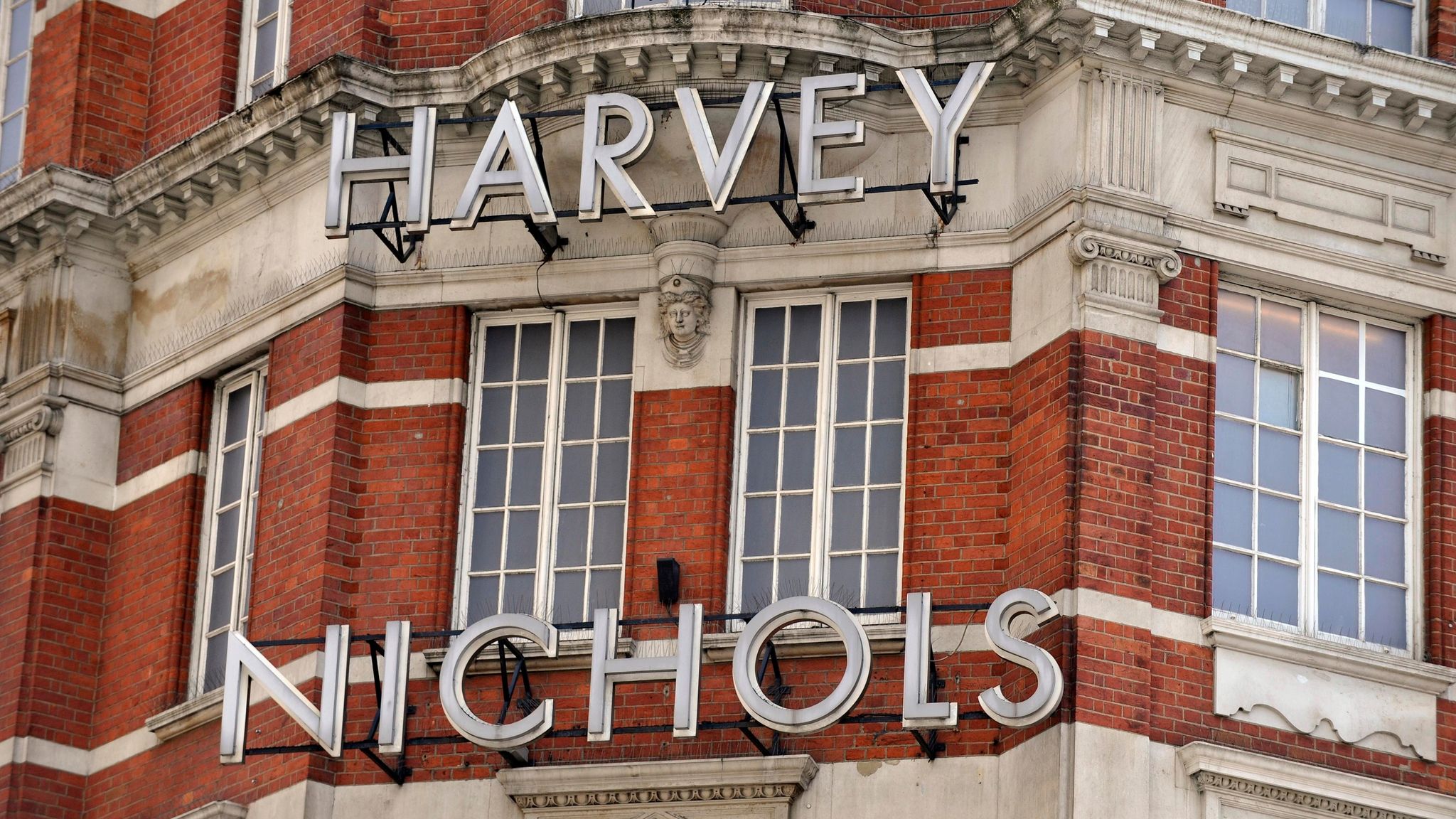
Harvey Nichols, the iconic luxury department store chain, is actively engaging its network of high-end brand partners to calm concerns about its future under new ownership by retail magnate Mike Ashley and the Frasers Group. This move comes in the wake of the company’s recent acquisition from administration, a deal that rescued approximately 1,000 jobs but has sparked uncertainty about the longevity of Frasers’ commitment to Harvey Nichols’ existing stores.
What Happened: Harvey Nichols’ Sale and Supplier Concerns
On Thursday, it was confirmed that Harvey Nichols had been sold out of administration to Frasers Group, a retail conglomerate led by Mike Ashley, known for its aggressive expansion strategies. The acquisition was seen as a lifeline for the luxury retailer, which operates six stores across the UK and carries some 800 premium and luxury brands, including household names like Armani Beauty, Balmain, Cartier, Lancome, and Ralph Lauren.
Despite the positive turn in ownership, unease permeates among Harvey Nichols’ brand partners. Some suppliers remain sceptical, fearing they may not receive all outstanding payments owed to them. These doubts are partly rooted in Frasers Group’s previous ownership of Matchesfashion, an online luxury retailer that collapsed in 2024, leaving some creditors unpaid.
Frasers initially faced resistance in the sale process, having been excluded before being compelled to participate, a development revealed by Sky News last month. This unexpected inclusion added an element of unpredictability to the sale.
Harvey Nichols’ Leadership Addresses Brand Partners
In a crucial step to rebuild trust, Kate Benson, Harvey Nichols’ Chief Merchant and a former executive at Net-a-Porter, issued a detailed memo to the retailer’s suppliers. Benson emphasized the company’s commitment to preserving and enhancing its valuable relationships with luxury brands under the new ownership structure.
“Throughout the sales process, we have spoken at length with Frasers, and we are confident that they understand our business and value our brand relationships,” Benson wrote. She highlighted the strategic integration of Harvey Nichols into the broader Frasers ecosystem as an opportunity to “build on the momentum already underway,” aiming to unlock “sustainable future growth.”
Benson acknowledged the challenges faced during the administration period but remained optimistic about the retailer’s prospects, citing recent investments in the flagship London store and efforts to broaden the customer proposition. However, she did not shy away from the financial realities that necessitated the sale, noting, “the financial pressures we faced have become too great to overcome without future investment.”
Commitment to Collaboration
Importantly, Benson invited ongoing dialogue with brand partners to address outstanding payments and orders, underlining a collaborative approach to rebuilding a thriving and sustainable business. This gesture aims to reassure suppliers that Harvey Nichols, alongside Frasers, intends to stabilize operations and honor existing commitments.
Why This Matters: Implications for the Luxury Retail Market
The sale of Harvey Nichols to Frasers Group represents a significant moment in the UK luxury retail landscape. Harvey Nichols is not just a department store; it is a prestigious platform for some of the world’s most exclusive brands. The stewardship of such a brand under a buyer like Mike Ashley, who has a reputation for cost-cutting and rapid expansion, naturally raises questions about the future positioning of the retailer.
For luxury brands, maintaining the integrity and exclusivity of their retail partnerships is critical. Any perceived instability or financial uncertainty risks damaging these relationships and, by extension, the brands’ reputations in a highly competitive market. Suppliers’ concerns about unpaid dues reflect broader anxieties about the sustainability of luxury retail in a challenging economic climate.
Moreover, Frasers Group’s aggressive acquisition strategy could lead to strategic shifts in Harvey Nichols’ operations, store portfolio, and brand curation. While this could mean fresh investment and innovation, it also poses risks if short-term financial pressures override the long-term brand-building that luxury retailers rely on.
What Comes Next: A Watchful Future for Harvey Nichols and Its Partners
As Harvey Nichols embarks on this new chapter with Frasers, all eyes will be on how effectively the group manages its luxury brand partnerships and navigates financial hurdles. Kate Benson’s outreach to suppliers signals a willingness to foster transparency and collaboration, which will be crucial for restoring confidence.
For the luxury brands housed within the retailer, ongoing communication and clear financial assurances will be vital to maintaining trust. Meanwhile, customers and industry observers will be keen to see whether Frasers can respect Harvey Nichols’ unique brand DNA while driving growth and profitability.
In the broader context, the outcome of Harvey Nichols’ integration into Frasers could set a precedent for how luxury retail assets are managed amid a period of economic uncertainty and shifting consumer behaviors.
Full details about Frasers Group’s future plans for Harvey Nichols and the resolution of outstanding supplier payments have not yet been disclosed.