

Heathrow Airport, one of the busiest international hubs, is currently grappling with significant access issues at Terminals 2 and 3 following severe flooding. This unexpected event has sparked warnings for travelers and staff alike, as disruptions affect passenger flow and airport operations.
What Happened: Flooding Restricts Access to Terminals 2 and 3
Heavy rainfall led to flooding that has directly impacted access routes to Heathrow’s Terminals 2 and 3. The airport has issued alerts indicating limited accessibility, prompting travelers to anticipate delays and possible rerouting. These terminals serve millions of passengers annually, handling a substantial volume of flights across various international and domestic routes.
The flooding has caused water to accumulate in critical entry points, impeding vehicles and pedestrians from reaching the terminal buildings safely and efficiently. While the airport has not released a detailed explanation of the flooding’s cause, such disruptions typically result from overwhelmed drainage systems or sudden weather extremes.
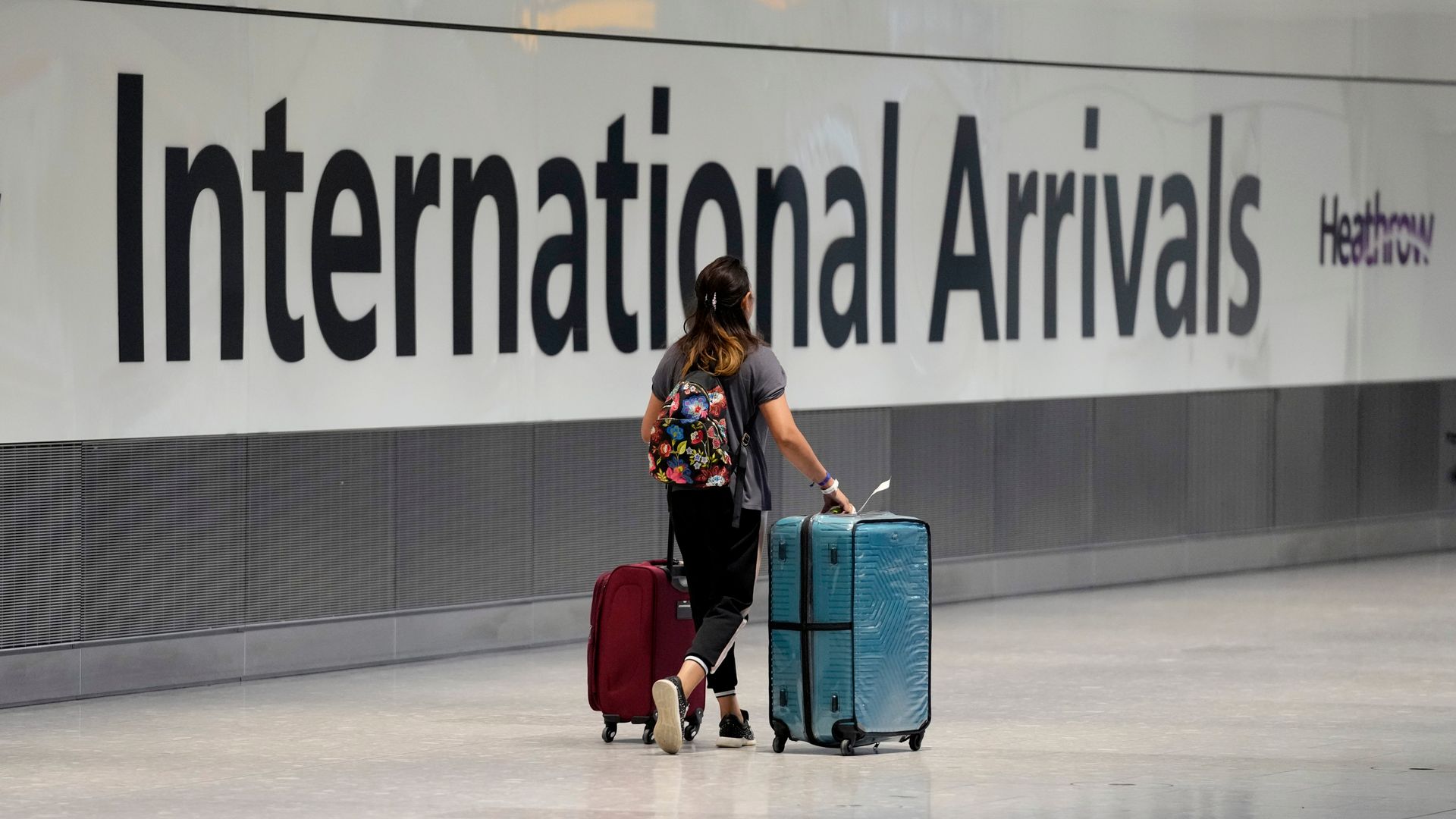
Passengers scheduled to depart or arrive through these terminals have been advised to check their flight status in advance and allow extra time for their journeys. The airport’s communication emphasizes safety and the importance of staying informed through official channels.
Why This Matters: Impact on Travelers and Airport Operations
Terminals 2 and 3 at Heathrow serve as vital hubs for numerous airlines, including members of the Star Alliance and other major carriers. Disruptions here ripple across global travel networks, affecting connecting flights, baggage handling, and ground transportation.
For travelers, restricted access means potential delays in check-in, security screening, and boarding processes. Those arriving may encounter difficulties in exit procedures or transferring to other terminals. Additionally, ground transportation services such as taxis, buses, and shuttles are likely experiencing congestion or detours.
Airlines operating out of these terminals face logistical challenges, including adjusting schedules, managing passenger flow, and coordinating with airport authorities to minimize further disruption. Staff working in these areas also contend with altered workflows and safety precautions amid the flooding conditions.
What Comes Next: Managing the Disruption and Restoring Normalcy
Heathrow Airport is actively working to address the flooding and restore full access to Terminals 2 and 3 as swiftly as possible. This involves deploying maintenance teams to clear water, assess infrastructure integrity, and implement temporary solutions to maintain safety and operational continuity.
Travelers are encouraged to stay updated through official Heathrow communications, including website announcements and social media channels. Airlines will likely provide additional guidance on rebooking or managing impacted flights.
The incident underscores the vulnerability of major transport hubs to extreme weather events, emphasizing the need for robust infrastructure and contingency planning to minimize disruptions.
Takeaway: Preparing for Travel Amid Unforeseen Challenges
The flooding at Heathrow’s Terminals 2 and 3 serves as a critical reminder for travelers to remain flexible and vigilant during their journeys. Monitoring flight updates, allowing extra travel time, and preparing for possible delays can alleviate stress and enhance safety.
For the aviation industry, this event highlights the importance of resilience in airport design and emergency response. As weather patterns become increasingly unpredictable, airports worldwide must invest in infrastructure capable of withstanding such challenges to ensure uninterrupted service.
Full details about the duration of the disruption and the extent of damage have not yet been released, but Heathrow’s commitment to swift resolution aims to restore normal operations promptly.