A man convicted of murdering his estranged wife has been barred from release after refusing to disclose the location of her remains, a decision that underscores the importance of justice and closure for victims’ families. The High Court ruled that Glyn Razzell must remain in prison, emphasizing public safety and the unresolved pain caused by his silence.
The Case of Glyn Razzell: A Murder Without Closure
In 2003, Glyn Razzell was found guilty of killing his estranged wife, Linda Razzell, a 41-year-old mother of four. Linda vanished in 2002 while on her way to work at Swindon College in Wiltshire, amid ongoing divorce proceedings. Despite his conviction, Razzell has never revealed where he hid her body, leaving the family in prolonged anguish.
Razzell denied the murder, but forensic evidence played a crucial role—traces of Linda’s blood were discovered in a car he had borrowed. Sentenced to a minimum of 16 years, Razzell spent the last nine years in an open prison, during which time he applied for parole multiple times.
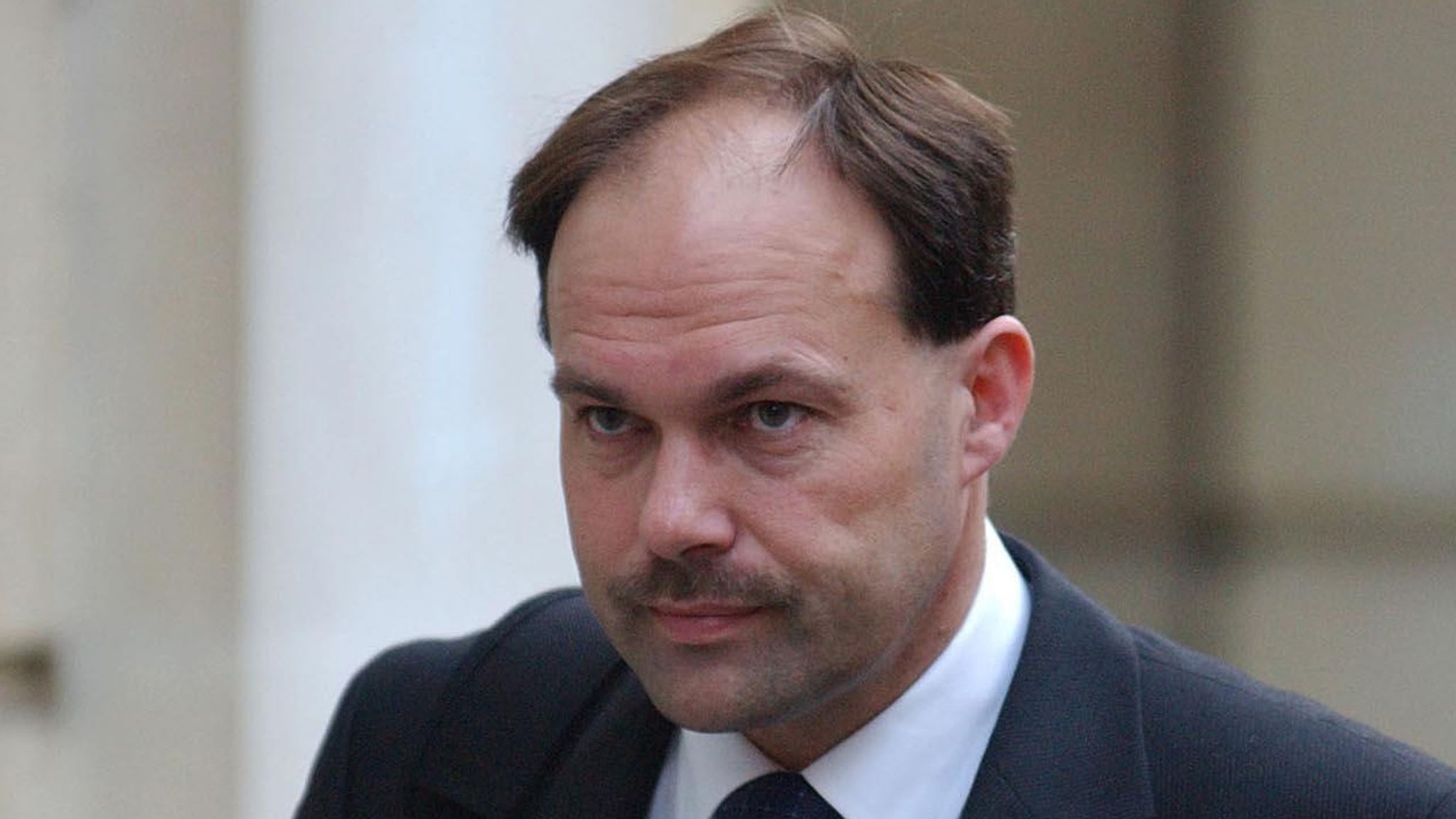
His daughter, Catherine Razzell, spoke out after the recent ruling, expressing the deep emotional toll her father’s refusal has inflicted. “There is no peace for us,” she said, underscoring the ongoing harm his silence continues to cause their family. “We still don’t know where our mother’s body is, and so it was a very difficult day when we heard that, despite those factors, he’d been released.”
Legal Battle Over Parole and “Helen’s Law”
Between 2019 and April 2023, the Parole Board repeatedly decided that Razzell should remain imprisoned. However, in April, the board controversially recommended his release on licence, despite his refusal to disclose the victim’s remains—a key factor under what is popularly known as “Helen’s Law”.
“Helen’s Law,” officially the Victims’ Right to Review Scheme, mandates that parole boards must consider an offender’s refusal to reveal the location of a victim’s body when deciding on release. The law is named after Helen McCourt, who was murdered in 1988; her killer never revealed where her body was hidden. The law aims to promote transparency and offer some solace to grieving families.

The Ministry of Justice challenged the Parole Board’s decision, arguing that releasing Razzell despite his silence would erode public confidence in the justice system. After a two-day hearing, the High Court sided with the Ministry, ruling that Razzell must stay behind bars. Mrs Justice Cheema-Grubb declared she was “not satisfied that it is no longer necessary for the protection of the public that Glyn Razzell be confined.”
She further stated that the risk Razzell poses has not diminished enough to allow safe management upon release, and that the parole plan “relies on trust that has not been earned.”
Impact on Family and Community
Catherine Razzell described the ruling as a relief for her family, though the pain of uncertainty remains. She criticized her father’s continued withholding of information as “cruel,” highlighting how it denies them the chance to hold a proper funeral and find closure.
“By choosing to withhold the only information that could provide us with some comfort and closure, and preventing us from being able to hold a funeral for our much-loved mother, he is clearly demonstrating he is still abusive—retaining power over the situation,” she said.

Linda’s former partner, Greg Worrall, who appeared via video link at the High Court, reflected on the trauma endured by the family. “We have rebuilt our lives based on the fact [Razzell] cannot harm us any more,” he said. Despite the enduring sadness, he acknowledged the support from friends and family that has helped them find “love and purpose in our new lives.”
Why This Ruling Matters
This ruling reinforces the principle that justice extends beyond conviction—it encompasses accountability and respect for victims’ families. When a convicted murderer withholds critical information, it prolongs suffering and obstructs emotional healing.
The decision also reaffirms the legal weight of “Helen’s Law,” ensuring parole boards cannot ignore an offender’s refusal to disclose the whereabouts of a victim’s remains. Public confidence in the justice system depends on upholding these standards, especially in complex cases involving unresolved disappearances.
For the Razzell family and others in similar situations, this ruling offers a measure of reassurance that the law protects their right to truth and closure.
Looking Ahead
While Glyn Razzell remains in custody, the question of Linda’s final resting place remains unanswered. The family’s hope is that continued legal pressure and public awareness will encourage offenders like Razzell to come forward with vital information.
In the meantime, this landmark decision serves as a reminder that the justice system prioritizes safety, accountability, and the emotional well-being of victims’ families—key pillars in the ongoing fight against violent crime.