The High Court has decisively ruled that Glyn Razzell, convicted of murdering his estranged wife, must remain in prison because he refuses to disclose the location of her body. This landmark decision underscores the ongoing impact of his crime and the legal complexities surrounding parole when victims’ remains remain hidden.
What Happened: The Murder and Legal Battle
In November 2003, Glyn Razzell was found guilty of murdering his 41-year-old wife, Linda Razzell, a mother of four. Linda disappeared in 2002 while on her way to work at Swindon College in Wiltshire amid divorce proceedings. Despite extensive investigations, her body has never been found.
Razzell has consistently denied the murder, yet forensic evidence, including traces of Linda’s blood found in a car he had borrowed, led to his conviction. Sentenced to life imprisonment with a minimum of 16 years, he has spent the last nine years in an open prison in Suffolk, where he holds a job and has access to a property outside.
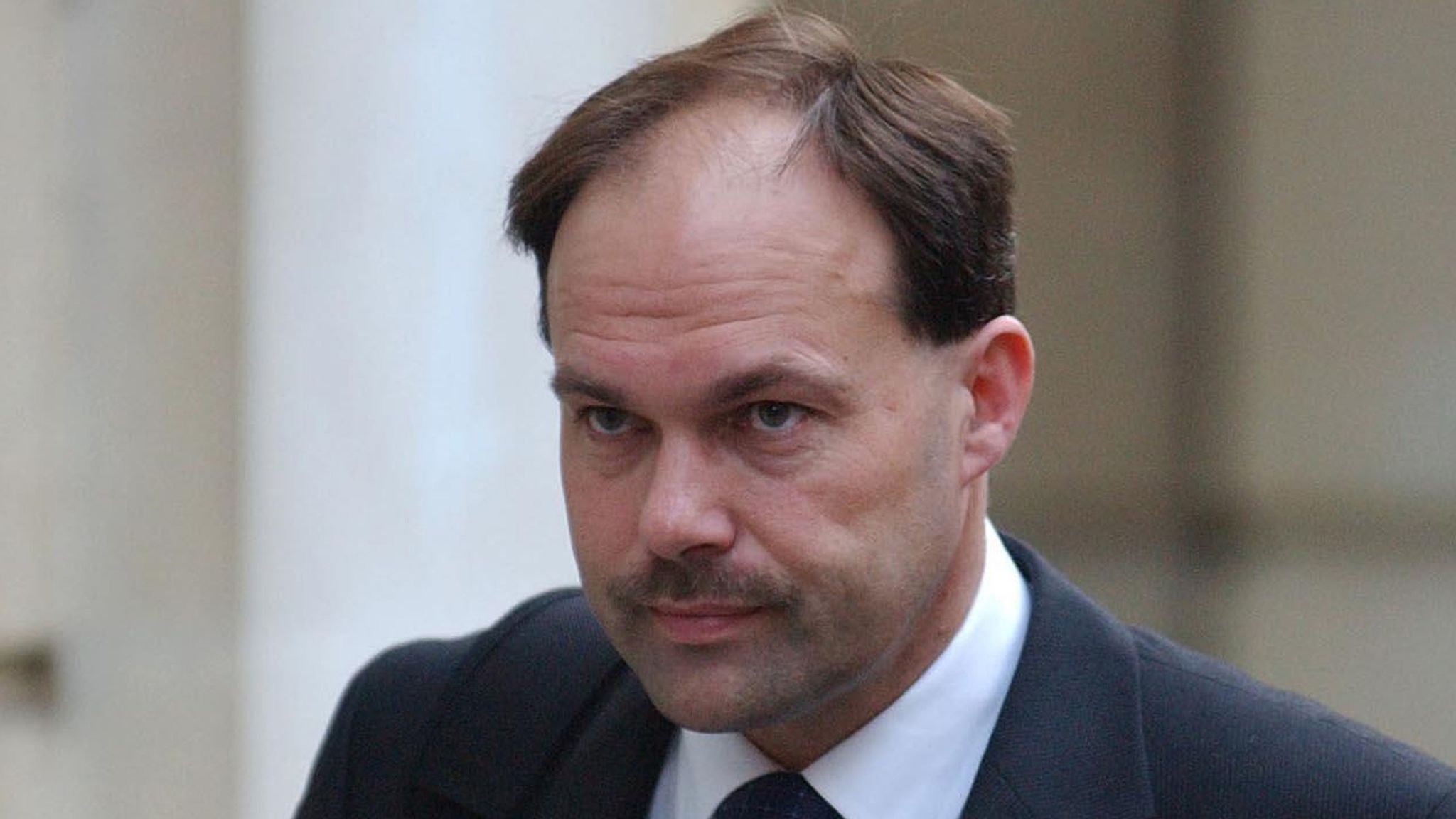
Since 2019, the Parole Board repeatedly ruled that Razzell should remain incarcerated, citing concerns over public safety and his refusal to reveal Linda’s remains. However, in April, the Parole Board controversially decided he could be released on licence, overlooking his silence on the body’s whereabouts—an issue legally mandated to be considered under “Helen’s Law.”
The Ministry of Justice challenged this decision, arguing the Parole Board’s approval risked eroding public confidence in the justice system. After a two-day hearing, the High Court agreed, ordering Razzell to stay behind bars.
Why It Matters: The Impact on the Victim’s Family and Public Safety
For Linda’s family, the refusal to disclose her location inflicts ongoing trauma. Her daughter, Catherine Razzell, described the High Court’s ruling as a “relief” but emphasized the cruelty of her father’s silence. She condemned his actions as “controlling and abusive,” continuing to harm the family from prison by withholding critical closure.
“There is no peace for us until that happens,” Catherine said, expressing the profound pain caused by the inability to hold a funeral or fully grieve. She highlighted that despite Razzell’s conviction and life sentence, he still denies guilt and prioritizes controlling the narrative over acknowledging his crime.

Linda’s partner, Greg Worrall, testified that Razzell exerts “coercive control over people even in death,” illustrating the psychological torment inflicted on the family. This echoes the purpose of Helen’s Law—named after Helen McCourt, whose murderer never revealed her body’s location—to prevent parole for offenders who withhold vital information about their victims.
Mrs Justice Cheema-Grubb criticized Razzell’s lack of remorse and insufficient understanding of the risks he poses to public safety, stating she was “not satisfied that it is no longer necessary for the protection of the public that Glyn Razzell be confined.” She pointed out “significant gaps” in his rehabilitation and cautioned against releasing someone whose parole plan “relies on trust that has not been earned.”
What Comes Next: Legal and Emotional Implications
The ruling sends a powerful message about accountability and victim rights. It reinforces that parole decisions must weigh not only the offender’s behavior but also their cooperation in providing closure to victims’ families. Razzell’s case underscores the challenges faced by families of murder victims when remains remain undiscovered—prolonging grief and denying justice.

Catherine Razzell’s call for her father to acknowledge his crime and reveal Linda’s resting place remains a poignant plea for peace. She stresses that her family does not seek vengeance but resolution. The ongoing legal battles over Razzell’s parole illustrate the tension between rehabilitation hopes and the realities of unresolved crimes.
This case also highlights the broader societal concern about public safety, especially regarding offenders convicted of violent crimes who maintain control and deny responsibility years after sentencing. The High Court’s firm stance prioritizes protecting the community and respecting the enduring pain of victims’ families.
Takeaway: Justice and Closure Remain Inextricably Linked
The High Court’s decision to keep Glyn Razzell in custody reaffirms that withholding crucial information about a victim’s remains cannot be overlooked in parole considerations. It reflects a justice system that balances offender rights with public safety and victims’ families’ need for closure.
For the Razzell family, the ruling offers temporary relief but also serves as a stark reminder of the enduring trauma caused by the unresolved disappearance of Linda. Until Razzell reveals her whereabouts, the family’s suffering will continue, underscoring the profound human cost behind legal proceedings.