

Colman’s, the iconic English mustard brand with a rich heritage spanning over two centuries, is poised to embark on a transformative new journey following its parent company Unilever’s monumental decision to divest its global food business. This strategic move comes as Unilever agrees to sell its expansive food portfolio for a staggering $15.7 billion (£11.6 billion), signaling a significant shift in the company’s focus and opening a new chapter for the beloved condiment maker.
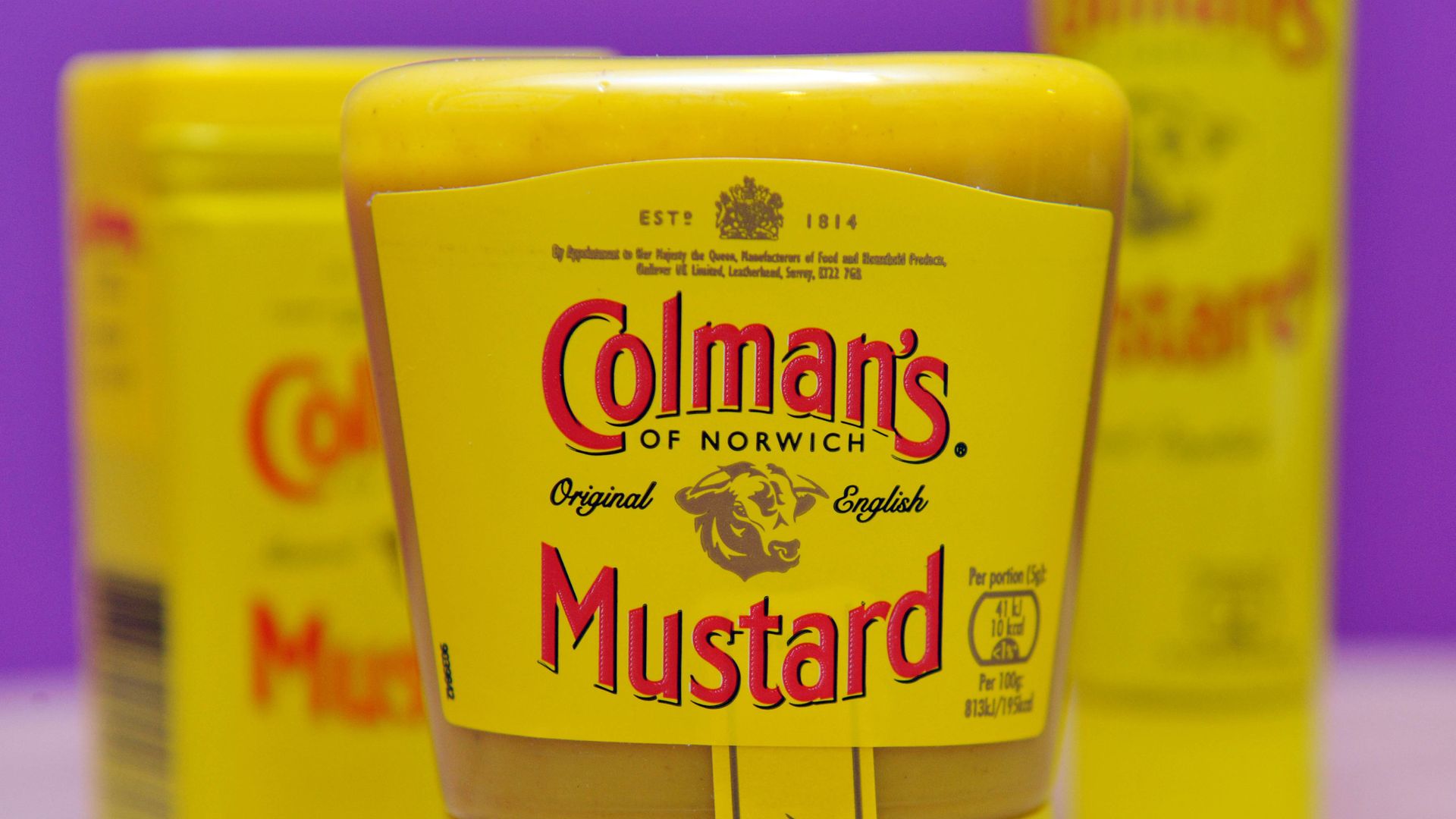
Colman’s: A Storied Legacy in British Culinary Culture
Established more than 200 years ago, Colman’s mustard has long been a staple of British kitchens and dining tables, celebrated for its distinctive sharpness and quality. Originating in Norwich, England, the brand quickly grew to become synonymous with traditional English cuisine, often associated with roast dinners, sandwiches, and classic recipes passed down through generations.
Over the decades, Colman’s expanded beyond mustard into a range of condiments, but its core product remains an emblem of British culinary identity. Its recognizable yellow packaging and bold flavors have made it a fixture in households across the UK and beyond, with a loyal customer base that values both its heritage and consistent quality.
Unilever’s Strategic Shift: Selling a £11.6bn Food Portfolio
Unilever, one of the world’s largest consumer goods companies, announced a landmark deal to sell its food operations for $15.7 billion (£11.6 billion), a move designed to streamline its business and sharpen its focus on faster-growing segments such as beauty and personal care. This divestment includes many well-known food brands, with Colman’s among the assets being put on the market.
The sale reflects a broader industry trend where conglomerates are recalibrating their portfolios to prioritize higher-margin and growth-oriented sectors. While Unilever has been a powerhouse in both food and non-food categories, this strategic realignment underscores the company’s ambition to drive future growth by concentrating resources on innovation within select areas.
What This Means for Colman’s and Consumers
With Colman’s now heading towards new ownership, the brand faces an exciting yet uncertain future. The sale could unlock fresh investment and innovation opportunities, potentially enhancing product lines and expanding into new markets. However, it also raises questions about how the brand’s traditional values and quality will be preserved under new management.
For consumers, this transition could lead to a revitalized Colman’s brand that maintains its classic appeal while adapting to evolving tastes and dietary trends. New owners might explore organic variants, reduced-sodium options, or international flavors to broaden the brand’s relevance in a competitive condiment market.
From a business perspective, this divestment offers a chance for specialized food companies or private equity firms to acquire a respected heritage brand with strong market recognition. Such buyers often focus on brand development and operational efficiencies, which can invigorate legacy products for contemporary consumers.
Why the Unilever Deal Matters in the Food Industry
The sale of Unilever’s food division is one of the largest transactions in the global consumer goods sector in recent years, highlighting ongoing consolidation and strategic repositioning within the industry. It signals how major players are adapting to changing consumer preferences, supply chain challenges, and competitive pressures.
For the British food industry in particular, Colman’s sale marks a significant moment. As an emblematic British brand with deep roots, the company’s future ownership will be closely watched by stakeholders keen to see whether it remains a pillar of English culinary tradition or evolves under new stewardship.
Unilever’s decision also emphasizes the growing importance of agility and focus in a fast-changing market, where companies must balance heritage with innovation to succeed. The deal sets a precedent for how other multinational corporations might approach portfolio management going forward.
Looking Ahead: The Future of Colman’s
As the dust settles on Unilever’s massive deal, all eyes turn to who will take the helm of Colman’s next. Prospective buyers will inherit not only a historic brand but also a platform with potential for growth and modernization.
The coming months will be crucial in shaping Colman’s trajectory—whether it continues to thrive as a quintessentially English mustard or expands into new culinary territories. For fans of the brand, the hope remains that any changes will honor its legacy while embracing the future.
Ultimately, this development underscores the dynamic nature of the food industry and the ongoing evolution of even the most established brands. Colman’s story is far from over; instead, it is entering an exciting new phase that could redefine its place on tables around the world.