

Two streets in a historic mining village are facing demolition after ongoing ground movement linked to past coal mining activities rendered the area unsafe. The decision marks a significant step in addressing the lingering impacts of underground mining on local communities.
Ground Movement Threatens Structural Safety
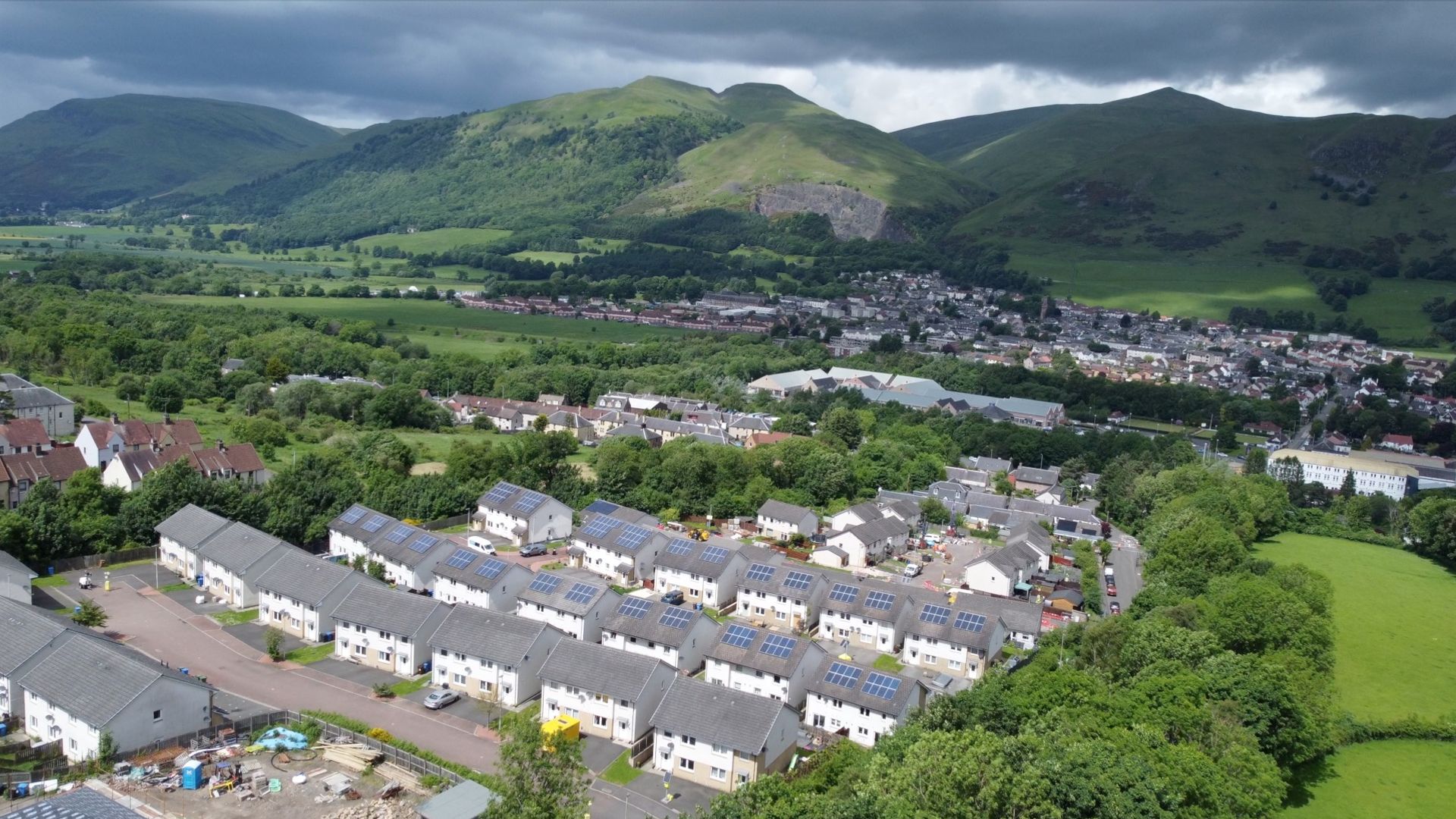
The affected streets lie within a former pit village, a community originally developed around coal mining operations. Decades after mining ceased, the ground beneath these homes has shown signs of instability. This movement is directly tied to the legacy of subterranean mining tunnels and shafts that have weakened the earth’s integrity.
Persistent subsidence and shifting soil have compromised the foundations of several houses, raising serious safety concerns for residents. Authorities have conducted extensive geological surveys and risk assessments to determine the extent of the problem. The findings revealed that the structural damage is severe enough that repair or reinforcement is not feasible, leading to the decision to demolish the properties.
Impact on Residents and Community Response
The demolition plan affects numerous households, forcing residents to relocate. Local councils and housing agencies have pledged support, offering rehousing options and compensation for those displaced. Community leaders emphasize the emotional and financial toll of losing homes that have stood for generations, underscoring the deep ties between the village’s identity and its mining heritage.
This situation highlights the long-term challenges faced by former mining regions. While mining once provided economic prosperity and employment, its environmental and infrastructural consequences continue to pose risks. The residents’ experience serves as a stark reminder of how historical industrial activity can shape communities far beyond the operational period.
Why This Matters and What Comes Next
Addressing ground instability in former mining areas is critical for public safety and urban planning. The demolition of these houses is part of broader efforts to mitigate mining-related hazards nationwide. It also emphasizes the necessity for ongoing monitoring and investment in affected regions.
Looking ahead, authorities plan to implement more comprehensive land management strategies and improve communication with communities vulnerable to mining subsidence. This includes better mapping of underground mine workings and proactive interventions before damage occurs.
For the residents of this pit village, the demolition represents both an end and a new beginning. While the loss of homes is profound, the actions taken may prevent future tragedies and pave the way for safer living environments. This case underscores the importance of balancing heritage preservation with modern safety imperatives in post-industrial landscapes.
Full details about the timeline and rehousing arrangements have yet to be released as officials continue coordinating the next phases of this complex process.