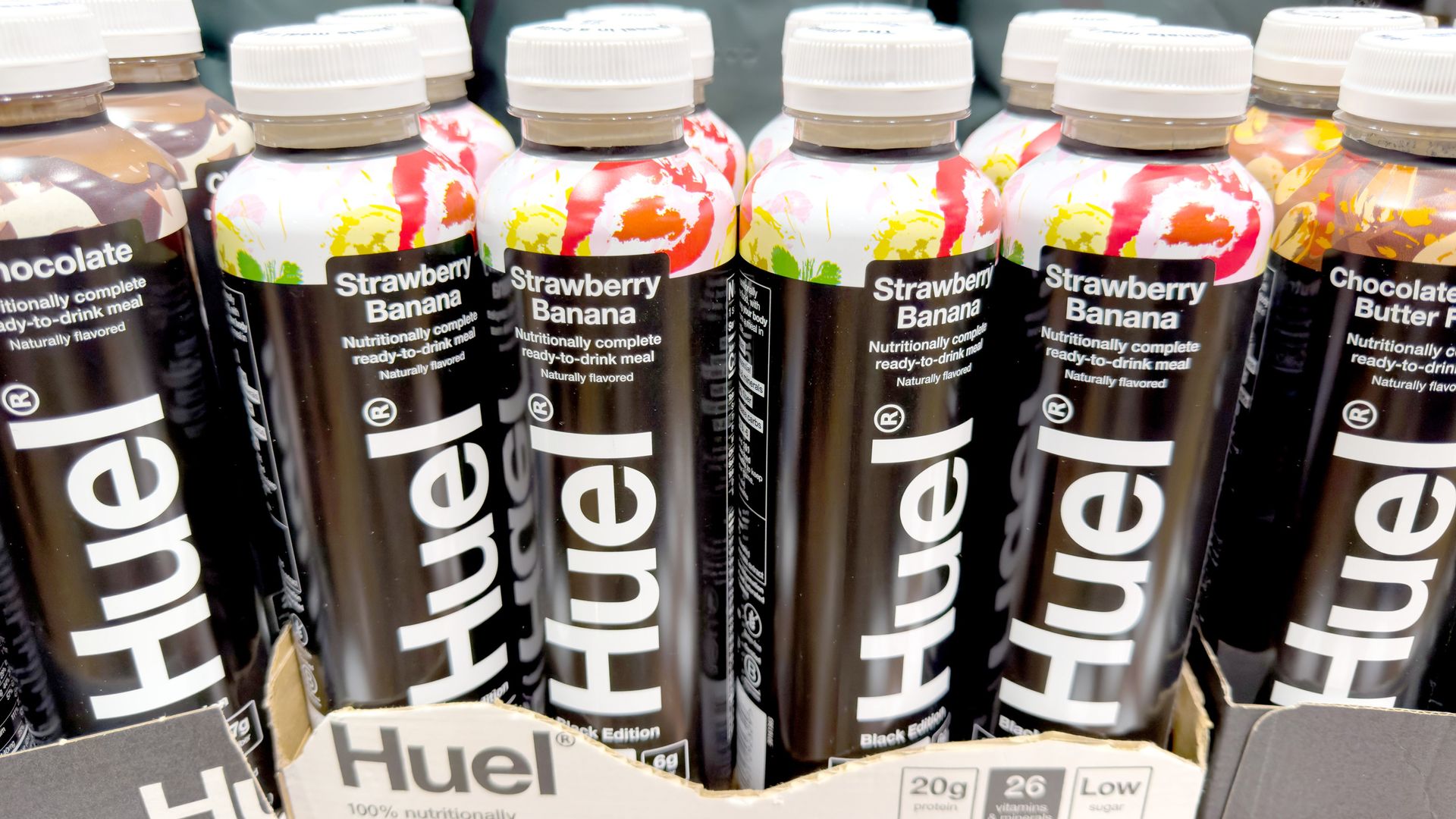
An advertisement promoting Huel meal replacement shakes starring former Made In Chelsea personality Spencer Matthews has been officially banned by the UK advertising watchdog for making irresponsible health claims. This decision highlights ongoing concerns about how meal replacement products are marketed to consumers, especially when celebrity endorsements are involved.
Why the Huel Advert Was Banned
The Advertising Standards Authority (ASA) took action against the Huel commercial after it was challenged for suggesting that the product could replace conventional meals while providing all necessary nutrition. The advert implied that consuming Huel shakes alone could sustain a healthy diet, which the ASA deemed misleading and potentially harmful.
Meal replacements like Huel are designed to supplement diets or serve as convenient options, but regulators stress that they should not be promoted as complete substitutes for regular, balanced meals without medical supervision. The ASA found that the advert failed to adequately clarify these nuances, leading to its prohibition.
Spencer Matthews, known for his role on the reality TV series Made In Chelsea, was featured prominently in the ad, lending star power and credibility. However, the watchdog emphasized that celebrity endorsements must not exaggerate a product’s benefits, especially when it concerns health claims.
The Broader Context of Meal Replacement Marketing
Meal replacement products have surged in popularity amid rising health awareness and the demand for convenient nutrition solutions. Brands like Huel offer shakes, powders, and bars formulated to provide essential vitamins, minerals, protein, and calories.
Despite their convenience, health experts caution that these products should complement, not replace, whole foods. Balanced diets rich in fresh fruits, vegetables, whole grains, and lean proteins remain the gold standard for nutrition. Overreliance on meal replacements can lead to nutritional imbalances and overlook the benefits of diverse food sources.
The ASA’s move against Huel’s advert underscores the importance of responsible marketing in this space. Consumers rely heavily on advertising claims to make informed choices about their diets. Inaccurate or exaggerated promotions risk misleading individuals, potentially compromising their health.
What This Means for Consumers and Brands
The ban signals a stricter regulatory stance on health and nutrition advertising, particularly where claims of complete meal replacement are concerned. For consumers, it serves as a reminder to scrutinize marketing messages critically and seek evidence-based nutritional advice.
Brands must ensure transparency and accuracy in their advertising, especially when leveraging celebrity endorsements to promote health-related products. Trustworthy communication fosters consumer confidence and prevents regulatory backlash.
For Huel, this ruling may prompt a revision of marketing strategies to comply with guidelines and clarify the intended use of their products. For the broader industry, it sets a precedent that could influence future advertising campaigns, encouraging responsible messaging about meal replacements.
Looking Ahead
As the market for meal replacement products continues to expand, regulatory bodies like the ASA are likely to maintain vigilance over advertising claims. Consumers should remain informed and cautious, recognizing that no shake or powder can fully substitute the complexity and benefits of a varied diet.
Meanwhile, brands must balance promotional creativity with factual accuracy to support public health goals and maintain credibility. The Huel advert ban serves as a pivotal example of the fine line between effective marketing and misleading health claims.
Ultimately, this development emphasizes the ongoing need for clear communication and responsible advertising in the rapidly growing health and nutrition sector.