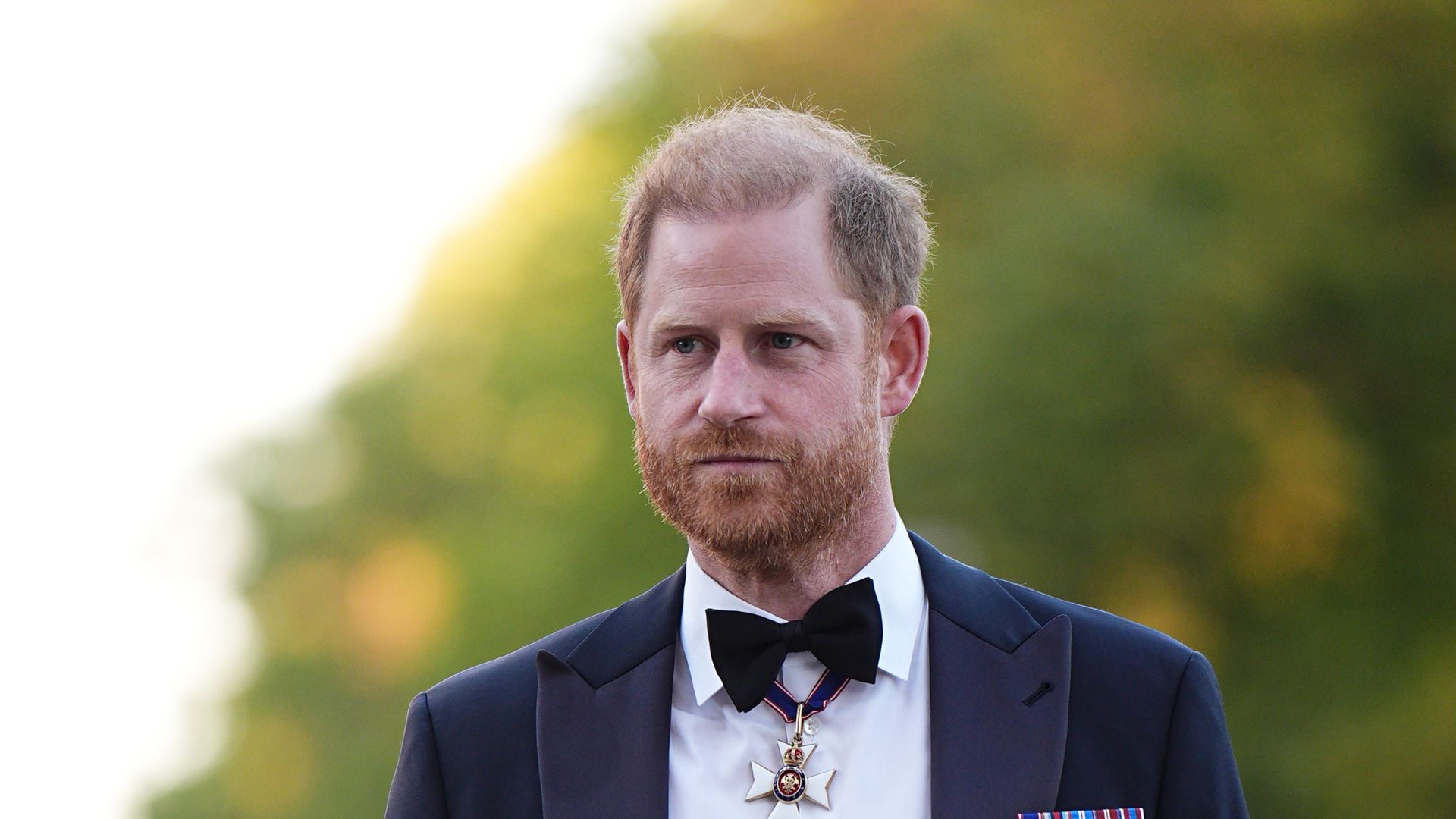
The financial details surrounding the housing arrangements of several prominent members of the British Royal Family have been revealed in a recent report by the National Audit Office (NAO). This disclosure offers unprecedented insight into how various royals manage their residences, including who chooses to rent their homes and the amounts involved.
Overview of Royal Housing Finances
The National Audit Office’s report sheds light on the often opaque world of royal expenditures, specifically focusing on housing. While the British monarchy is typically associated with grand estates owned outright, not all members live in properties they own. Some royals opt to rent their homes, raising questions about the funding sources and the financial impact on public funds.
Understanding these arrangements provides valuable context for the broader conversation about royal finances and transparency. The report outlines which family members pay rent, the amounts they contribute, and how these costs align with public funding mechanisms such as the Sovereign Grant and Privy Purse.
Which Royals Rent Their Homes and the Costs Involved
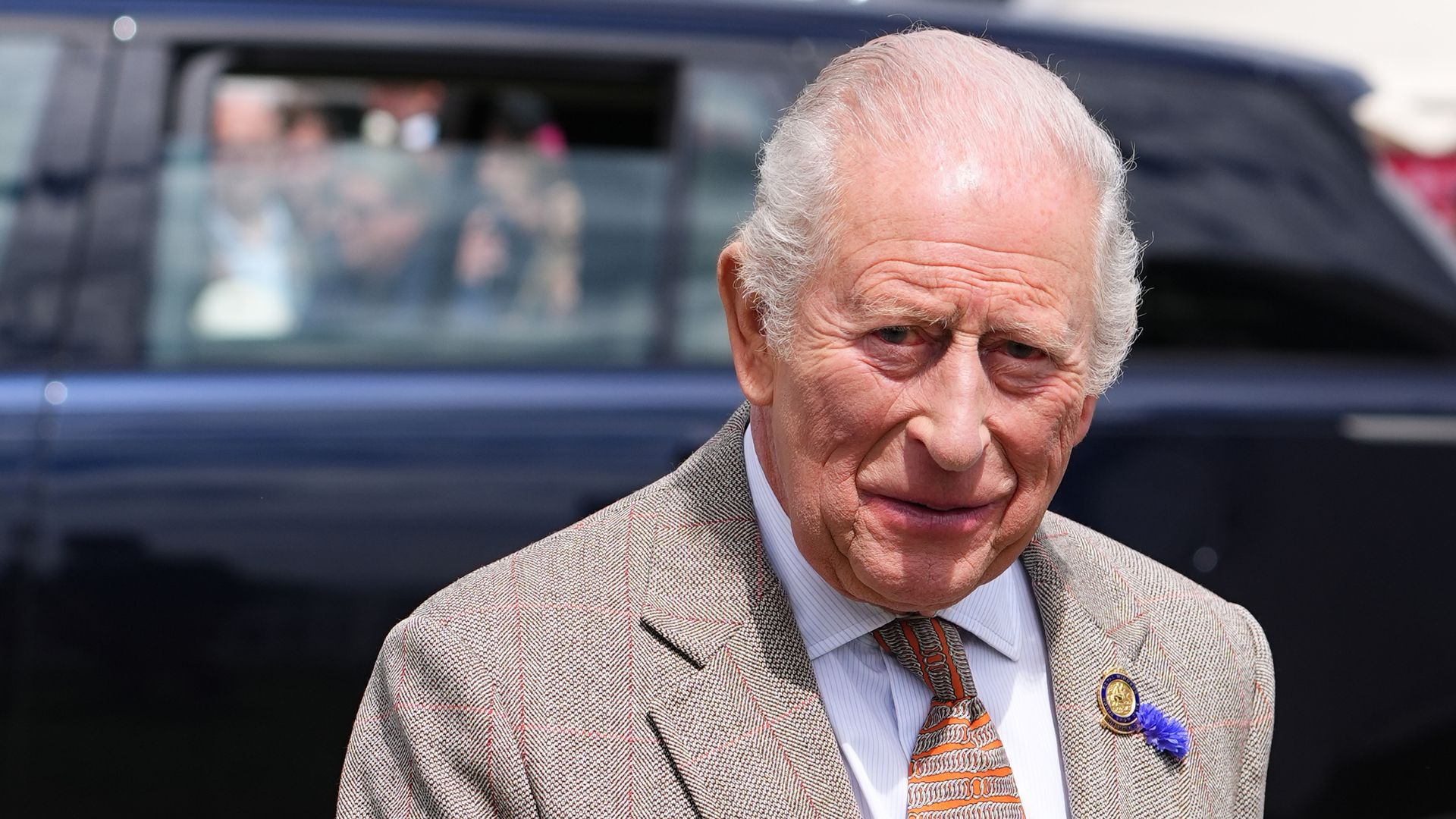
Among the royals who rent their homes, the report highlights several key figures. For instance, some working members of the royal family do not reside in official royal residences but instead live in privately rented properties. The rent payments made by these members vary widely depending on location, size, and market rates.
One example includes younger royals and those who do not carry out official duties full-time, who may choose to rent to maintain a degree of privacy and independence while remaining close to their official commitments. The NAO’s findings reveal that these rental agreements are typically funded either by personal income or supplemented by the Sovereign Grant in certain circumstances.
The amounts reported for rent payments range from moderate sums in suburban locations to substantial fees for properties in prime central London areas. These figures offer a stark contrast to the free housing enjoyed by senior royals in palaces and official residences maintained by the Crown Estate or Duchy of Lancaster.
Why Royal Rental Arrangements Matter
The revelation of which royals rent their homes and the associated costs holds significance for several reasons. First, it addresses public interest in how taxpayer money is spent on the monarchy. Transparency in royal finances has become a growing demand, especially in the context of debates over the relevance and cost of the monarchy in modern Britain.
Second, the data contextualizes the financial independence of individual royals. Renting rather than owning or living rent-free indicates a different approach to managing personal finances and responsibilities. It shows that not all royals benefit equally from Crown assets, and some bear their own housing costs.
Finally, these details influence public perception of the monarchy’s relationship with taxpayers. By illuminating which members rent and pay for their housing, the report indirectly highlights the diversity of financial arrangements within the royal family and challenges simplistic narratives about royal privilege.
Looking Ahead: What This Means for Royal Finances
The NAO report’s disclosure about royal housing expenditures could pave the way for more comprehensive transparency measures in the future. As public scrutiny intensifies, the monarchy may face increased pressure to disclose detailed financial information, including how housing costs are managed across the family.
For taxpayers, this information offers a clearer picture of where public funds are directed and how individual royals contribute to their living expenses. It also underscores the complexity of royal finances, which blend public funding with private income and inherited wealth.
Ultimately, understanding the rental arrangements of royals helps demystify the financial workings behind one of the world’s most famous institutions. It offers a nuanced view of privilege, responsibility, and financial management within the British monarchy.
As discussions about the monarchy’s role and funding continue, the insights from the NAO report serve as a vital reference point. They encourage informed public dialogue about what constitutes fair and transparent stewardship of royal resources in the 21st century.