The tragic death of a man mauled by a tiger at Yorkshire Wildlife Park has taken a disturbing turn as concerns arise over the possible improper access of his medical records by NHS staff. This development adds a complex layer to an already heartbreaking incident, raising significant questions about privacy and data security within the healthcare system.
Background: The Fatal Incident at Yorkshire Wildlife Park
Earlier this year, a man lost his life in a rare and harrowing encounter with a tiger at the Yorkshire Wildlife Park, a facility known for its conservation efforts and interactive animal exhibits. The incident shocked the local community and wildlife enthusiasts nationwide, prompting immediate investigations into how such a tragedy could occur within a controlled environment.
The man’s death not only sparked safety reviews at the park but has now led to scrutiny surrounding the handling of his personal information in the aftermath. While the circumstances of the fatal attack remain under thorough examination, the focus has shifted to the potentially unauthorized access of sensitive medical data by members of the National Health Service (NHS).
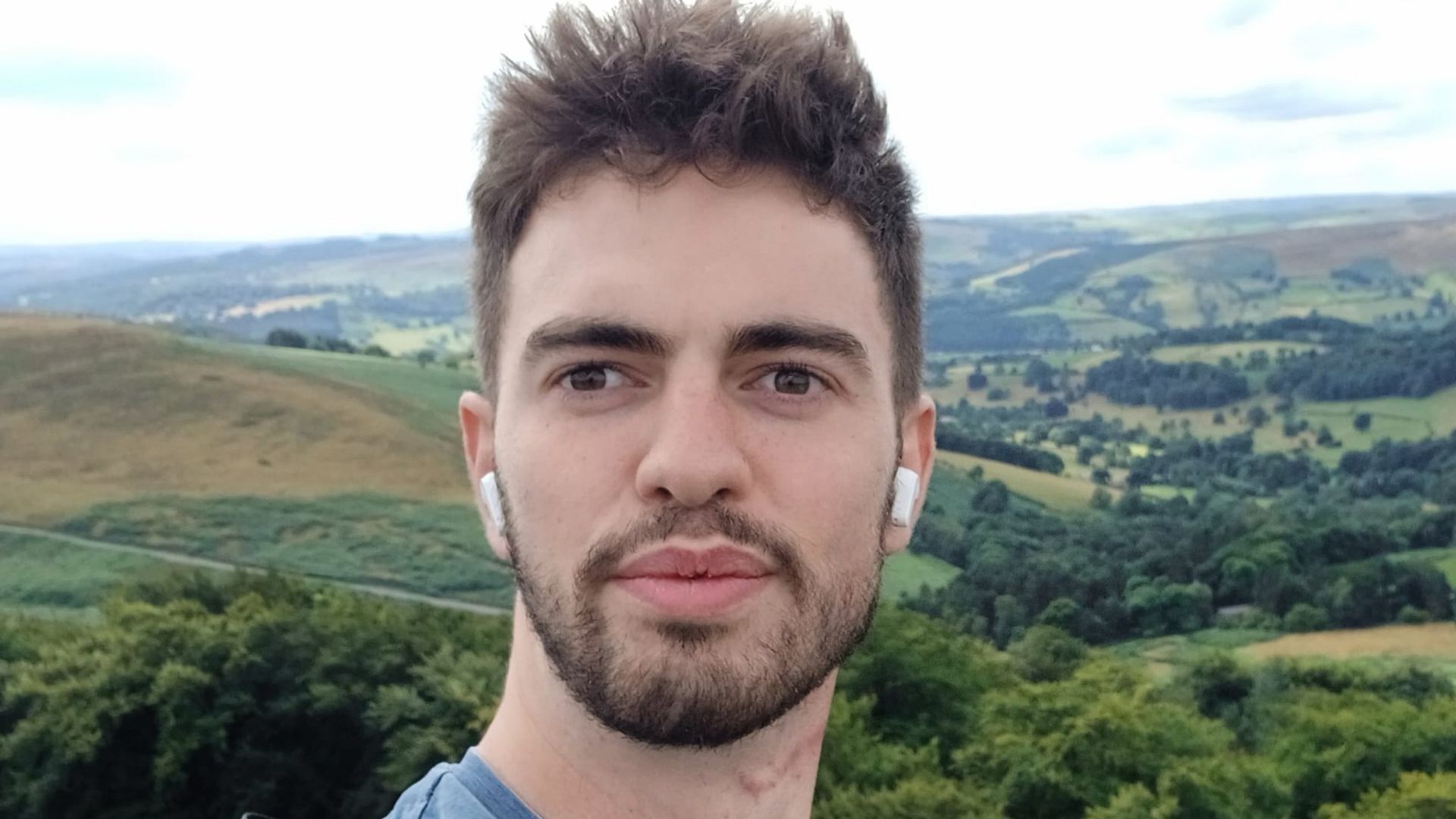
Potential Breach of Privacy: NHS Staff and Medical Records
Reports suggest that NHS personnel may have accessed the deceased man’s medical records without proper authorization. The nature of this access—whether it was a procedural error, a breach of policy, or something more deliberate—has not yet been fully clarified. However, the possibility of such misuse raises serious ethical and legal concerns about patient confidentiality, especially in cases attracting significant public and media attention.
The NHS is governed by strict regulations regarding the handling of patient data, including the Data Protection Act 2018 and the General Data Protection Regulation (GDPR). These laws require that access to medical records be strictly limited to authorized individuals with a legitimate need. Any deviation from these protocols can result in disciplinary action, legal penalties, and loss of public trust.
Healthcare providers hold a crucial responsibility to safeguard patient information, particularly in sensitive cases involving trauma or death. The potential breach in this case threatens to undermine the integrity of NHS data security measures and could have far-reaching implications if proven true.
Implications and Next Steps in the Investigation
Authorities are now investigating the scope and intent behind the alleged unauthorized access. This includes determining how many staff members were involved, the reasons for accessing the records, and whether any information was shared outside authorized channels. The NHS has pledged full cooperation with the inquiry and reaffirmed its commitment to upholding data protection standards.
Yorkshire Wildlife Park has also expressed concern over the developments, emphasizing the need for respect for the victim’s family during this difficult time. The park continues to work closely with law enforcement and regulatory bodies to ensure all safety and procedural standards are met moving forward.
This situation underscores the delicate balance between public interest and individual privacy, especially in high-profile incidents. It also highlights the ongoing challenges faced by healthcare institutions in maintaining stringent data security amid increasing digitalization and information sharing.
Why This Matters: Privacy in the Wake of Tragedy
The possible improper access of medical records in the wake of a fatal tiger attack is not just a breach of protocol but a violation of basic privacy rights. Families affected by tragedy deserve dignity and confidentiality, free from additional distress caused by unauthorized scrutiny of their loved ones’ personal health information.
Moreover, this case serves as a cautionary tale for healthcare providers everywhere. It illustrates the critical importance of reinforcing data governance policies and ensuring all staff understand the ethical and legal boundaries surrounding patient records.
As this investigation unfolds, it will be essential for the NHS and other organizations to demonstrate transparency, accountability, and a commitment to protecting sensitive information. The outcome will likely influence future policies and practices related to medical data security, particularly in cases attracting significant public attention.
Looking Ahead: Protecting Privacy and Preventing Future Breaches
The tragic circumstances of the Yorkshire Wildlife Park incident have now exposed vulnerabilities in how sensitive information is managed during crises. Moving forward, healthcare institutions must prioritize rigorous training, auditing, and enforcement to prevent similar breaches.
For the public, this serves as a reminder of the complex intersection between healthcare, privacy, and media scrutiny. Ensuring that personal medical information remains confidential, even in the most challenging situations, is vital to maintaining trust in healthcare systems.
Full details of the investigation into the alleged improper access of medical records have not yet been released. Stakeholders and the public await further updates as authorities work to clarify the facts and uphold the standards of patient confidentiality in this distressing case.