A tense security incident involving an Iranian national allegedly trying to gain access to one of the United Kingdom’s most sensitive military sites has concluded without any criminal proceedings. Prosecutors have officially confirmed that no charges will be brought against the man following the alleged attempt to breach the UK’s nuclear submarine base.
What Happened at the UK Nuclear Submarine Base?
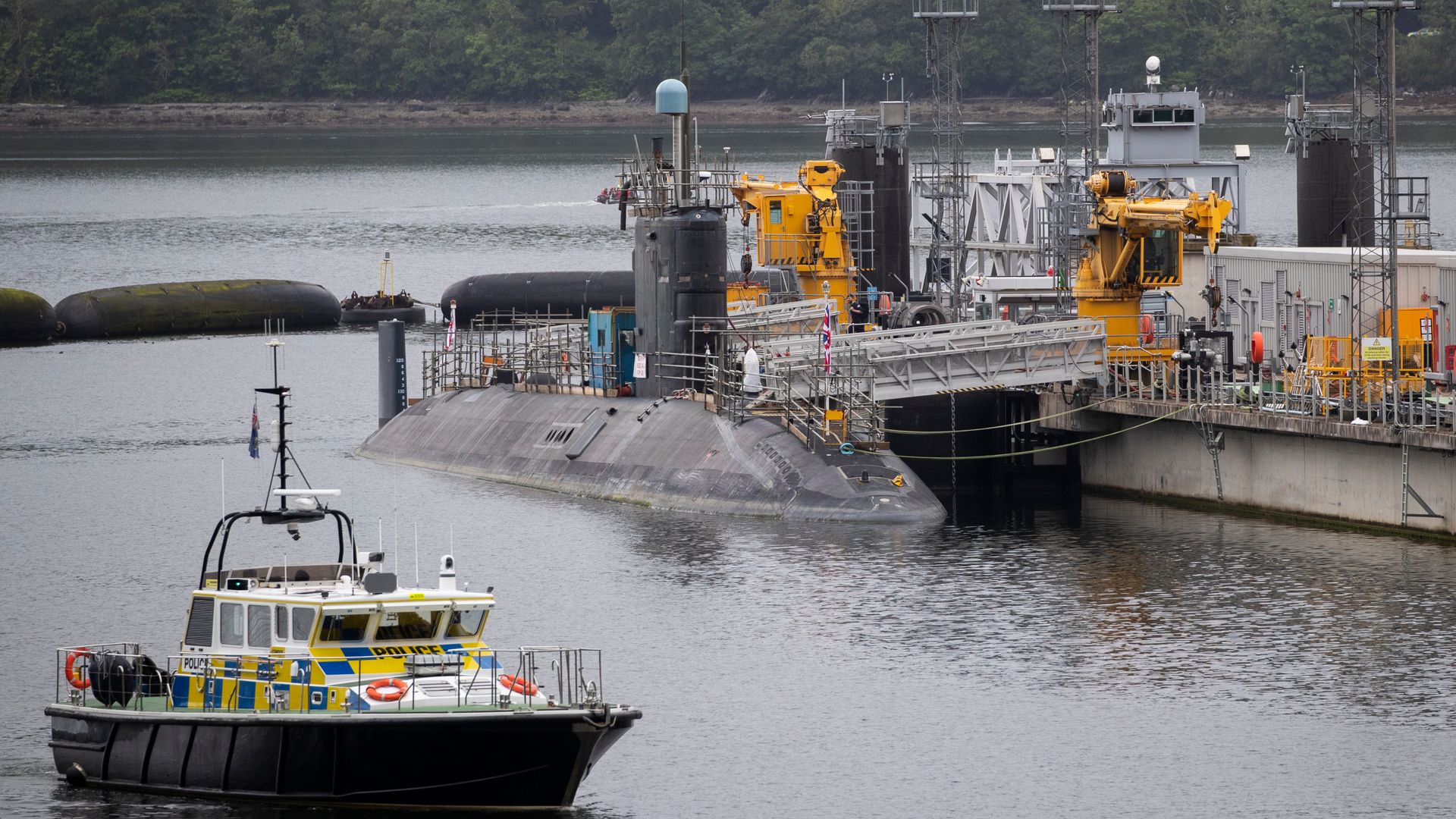
The incident centered on two individuals who were reported to have attempted unauthorized entry into a highly secured nuclear naval installation in the UK. This base is critical to the nation’s defense, housing its strategic nuclear submarine fleet, which plays a pivotal role in the country’s nuclear deterrence strategy.
Details about the exact nature of the attempted access remain limited, but the authorities quickly apprehended the individuals involved. The presence of an Iranian man among those detained sparked significant media attention due to the sensitive geopolitical implications and the heightened security concerns surrounding nuclear facilities.
Legal Proceedings and Prosecutorial Decision
Following a thorough investigation, the Crown Prosecution Service (CPS) reviewed the case, assessing whether sufficient evidence existed to pursue formal charges against the accused. After careful consideration, prosecutors concluded that there was insufficient evidence to justify legal action, and therefore no proceedings will be initiated against the Iranian man.
This decision underscores the rigor with which the UK legal system approaches cases involving national security, balancing the need for vigilance with the requirement for robust evidentiary standards. The outcome does not diminish the seriousness of the incident but reflects the complexities involved in prosecuting such cases.
Why This Incident Matters
UK nuclear submarine bases represent some of the most fortified and strategically critical military assets in the country. They house submarines equipped with nuclear weapons, forming the backbone of the UK’s continuous at-sea deterrent program. Any attempt to breach these facilities raises significant security alarms and prompts immediate, high-level responses.
The involvement of an Iranian national in this episode added an international dimension to the event, given the fraught diplomatic relations and security concerns between Western nations and Iran. While the individual will face no legal consequences, the incident highlights the ongoing challenges of securing vital military infrastructure against potential espionage or sabotage attempts.
Security experts emphasize that even unsuccessful intrusion attempts are treated with utmost seriousness. The UK government continually invests in advanced surveillance, physical barriers, and rapid response protocols to safeguard these strategic sites.
What Comes Next?
Although no charges have been filed, this incident will likely trigger a review of security measures at the nuclear base and possibly other similar sites across the UK. Authorities remain vigilant, monitoring for any emerging threats to national security and adjusting their protocols accordingly.
Moreover, this event serves as a reminder of the persistent risks facing critical defense infrastructure worldwide. Governments must balance transparency with operational secrecy to maintain public trust while protecting sensitive assets.
Key Takeaway
The decision not to prosecute the Iranian man accused of attempting to enter the UK’s nuclear submarine base illustrates the complexities of national security law and the rigorous standards required for criminal proceedings. While the incident exposed vulnerabilities and geopolitical tensions, it also reaffirmed the UK’s commitment to safeguarding its most sensitive military facilities without compromising legal integrity.
Maintaining the security of nuclear naval bases remains a top priority, and this event will likely influence ongoing security assessments and international diplomatic considerations. Full details surrounding the incident and the investigative findings remain limited, but the case underscores the delicate balance between vigilance and justice in matters of national defense.