

Scotland’s Deputy First Minister John Swinney has refrained from commenting on whether Nicola Sturgeon, the former First Minister, should return gifts allegedly purchased by Peter Murrell using misappropriated Scottish National Party (SNP) funds. Instead, Swinney emphasized that this matter falls under judicial jurisdiction and must be resolved by the courts.
The Controversy Over Embezzled SNP Cash
The controversy centers around allegations that Peter Murrell, former SNP Chief Executive and Nicola Sturgeon’s husband, misused party funds. Murrell reportedly bought gifts for Sturgeon with money allegedly embezzled from the SNP’s coffers. These allegations have intensified scrutiny over the party’s internal financial controls and governance.
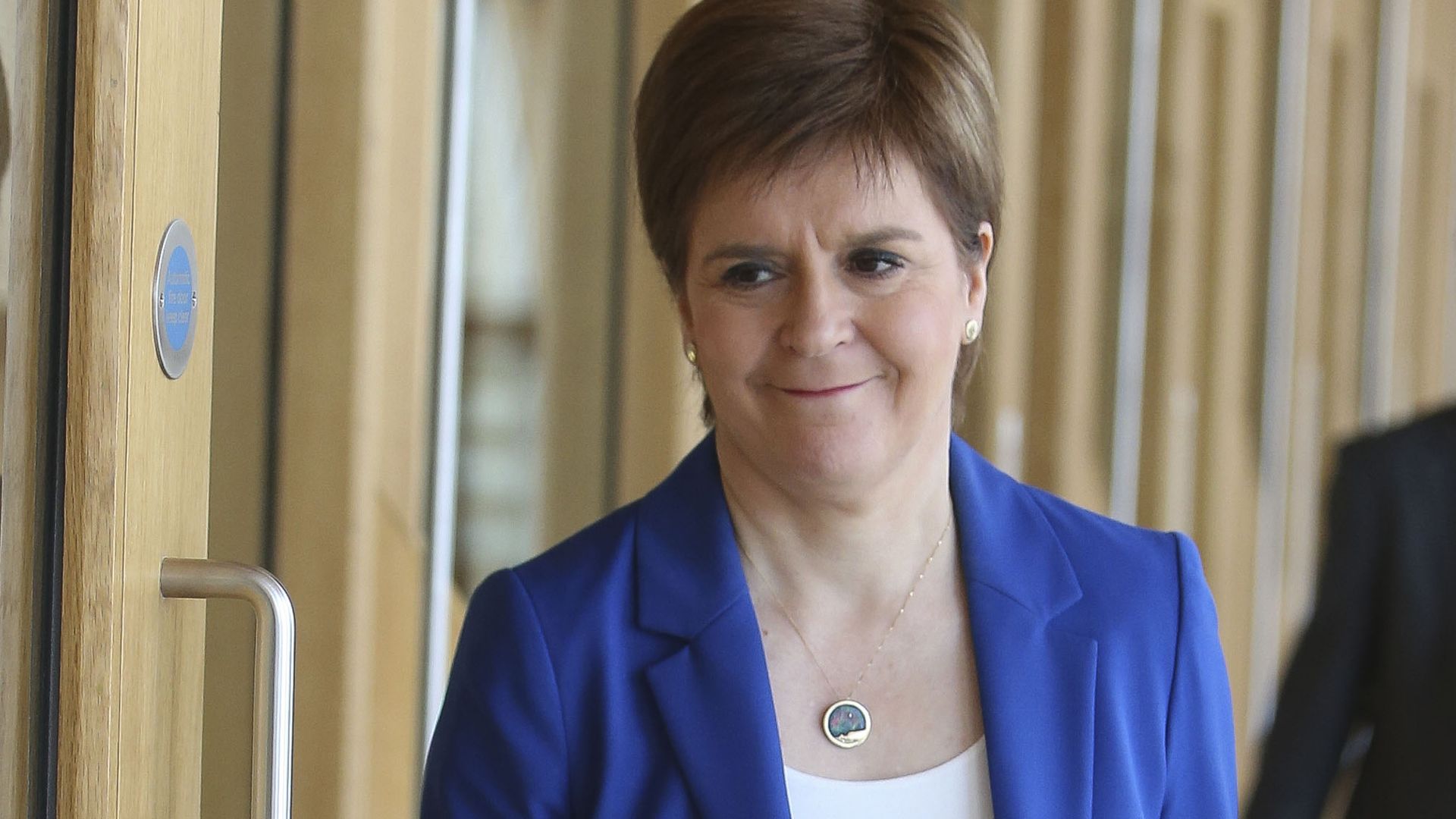
As the former leader of Scotland and a key figure in the SNP, Nicola Sturgeon has faced mounting pressure to address these claims transparently. Critics argue that if gifts were bought with ill-gotten funds, returning them would be a necessary step to restore public trust and accountability.
John Swinney’s Position: Courts to Decide
When questioned about whether Sturgeon should hand back the gifts, Swinney declined to take a definitive stance. He stated that such decisions are not for politicians but for the legal system to determine. Swinney’s response highlights the separation between political leadership and judicial processes, reinforcing the principle of due process.
By deferring to the courts, Swinney underscores the importance of an impartial investigation and legal scrutiny. This approach aims to prevent prejudgment and maintain fairness while the allegations undergo proper examination.
Why This Matters: Implications for the SNP and Scottish Politics
This situation has significant ramifications for the SNP, which has dominated Scottish politics for over a decade. Allegations of financial misconduct threaten to erode the party’s credibility and undermine public confidence in its leadership.
Moreover, the case could influence broader political dynamics within Scotland. As the SNP continues to advocate for Scottish independence, maintaining ethical standards and transparency remains crucial to its legitimacy and electoral success.
The controversy also raises questions about governance and accountability within political parties. Ensuring that party officials adhere to strict financial protocols is essential to prevent similar incidents in the future.
Looking Ahead: What Comes Next?
The courts will play a pivotal role in determining whether Nicola Sturgeon must return the gifts allegedly purchased with embezzled funds. The outcome may set a precedent for how political figures handle personal benefits acquired through questionable means.
For the SNP, this episode serves as a wake-up call to strengthen internal oversight mechanisms. It also emphasizes the need for transparent communication with the public to rebuild trust after high-profile controversies.
As legal proceedings unfold, the Scottish public and political observers will closely watch how the party navigates these challenges and whether reforms emerge to safeguard its future integrity.
Conclusion: Upholding Justice and Accountability
John Swinney’s decision to leave the question of returning gifts to the courts reflects a commitment to legal process and fairness. While the allegations against Peter Murrell and the implications for Nicola Sturgeon have shaken the SNP, the resolution through judicial channels offers a pathway to clarity and accountability.
Ultimately, this episode underscores the vital role of transparent governance in political organizations. It also highlights the importance of allowing independent institutions to address allegations without political interference, ensuring justice prevails and public confidence is restored.