

UK ministers are actively reviewing Kanye West‘s permission to enter the country as public backlash intensifies over his headline booking at the Wireless Festival this July. The decision comes amid mounting pressure from political leaders, community groups, and corporate sponsors following West’s history of antisemitic remarks.

Wireless Festival Booking Sparks Political and Public Outcry
The announcement that Kanye West would headline all three nights of the London-based Wireless Festival has ignited fierce criticism across the UK. Calls have surged for festival organisers to cancel West’s appearance, while politicians demand that the government blocks his entry altogether. The controversy centers on West’s repeated antisemitic statements and public displays of support for Nazi symbolism.
Prime Minister Keir Starmer expressed deep concern over the festival’s decision, condemning the booking as “deeply concerning” given West’s past remarks. The Conservative Party echoed these sentiments, urging government officials to refuse West entry, citing the harmful impact of his rhetoric on Jewish communities.
Shadow Home Secretary Chris Philp described West’s comments not as isolated incidents but as a sustained pattern of offensive behavior that inflicts real distress. He emphasized that in a period marked by a rise in antisemitism across the UK, allowing West to headline a major public event sends a profoundly damaging message.

Corporate Sponsors Withdraw Support Amid Escalating Pressure
The backlash has translated into tangible consequences for the Wireless Festival. Several major commercial partners have distanced themselves from the event. Notably, Rockstar Energy withdrew its sponsorship on Monday, following earlier exits by Pepsi and Diageo over the weekend. Additionally, payment partner PayPal confirmed it will no longer feature in festival promotional materials.
Despite these withdrawals, Wireless Festival organisers have yet to publicly address the controversy or confirm any changes to the line-up, with West still listed as the headline act.
Government Review of West’s UK Entry
Although there are no immediate plans for West to travel to the UK, Sky News understands that government ministers are actively reviewing his entry clearance. Immigration authorities will weigh his past conduct against public interest considerations before making a final decision.
Education Secretary Bridget Phillipson condemned West’s past statements as “completely unacceptable and absolutely disgusting.” While she stopped short of detailing immigration decisions, she firmly stated that there is no place for hatred or antisemitism in the UK, whether from West or anyone else.
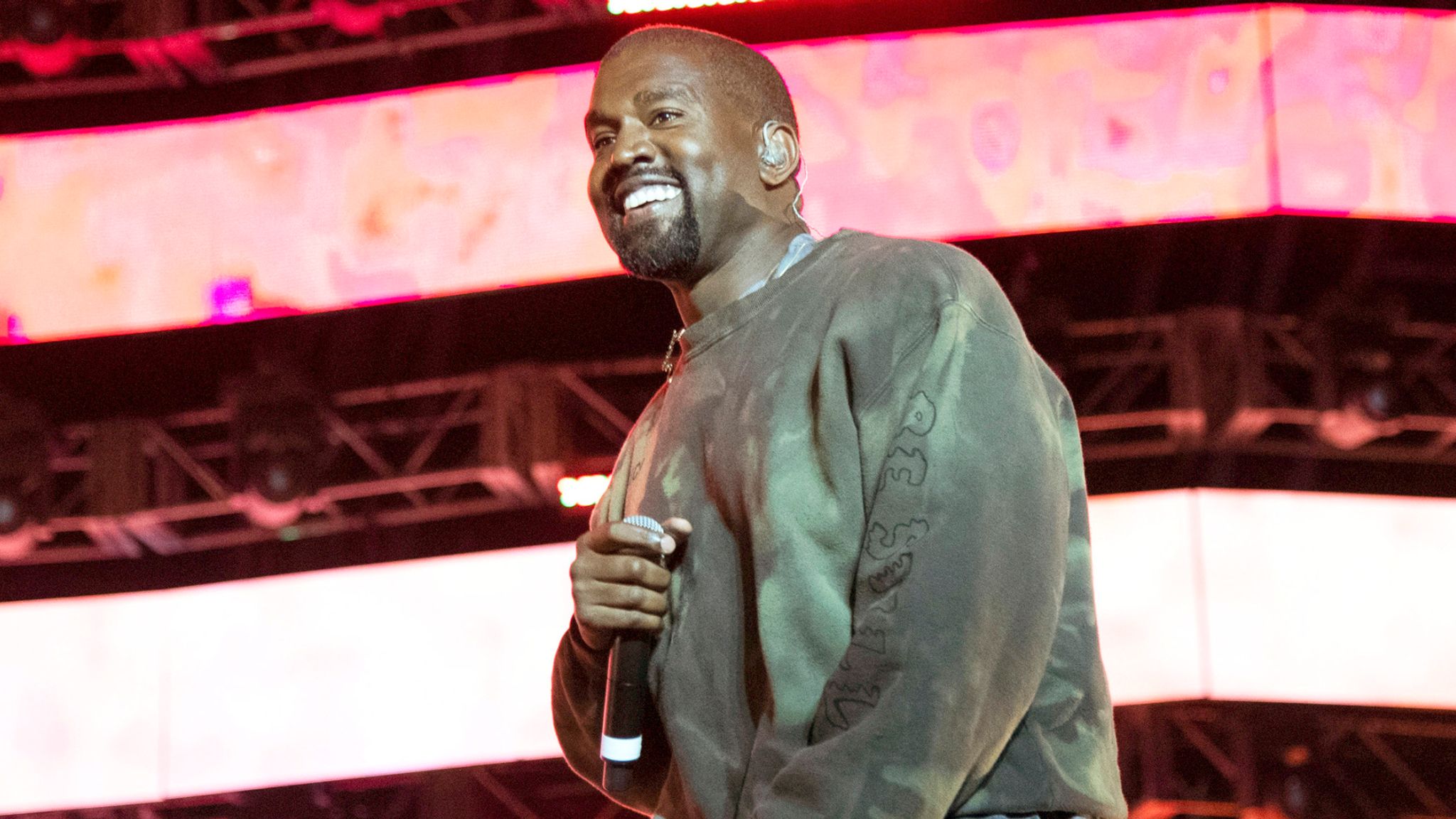
Background: West’s Controversial History and Public Apologies
Kanye West, 48, has not performed in the UK since his headline appearance at Glastonbury Festival in 2015. Since then, his public image has been marred by antisemitic social media posts, including a widely condemned Super Bowl advertisement directing viewers to a swastika T-shirt, and lyrics referencing Adolf Hitler.
West has faced bans from social media platforms like X (formerly Twitter) due to his hate speech and lost lucrative partnerships, most notably with Adidas following his inflammatory remarks in 2022.
In January, West published a full-page apology in the Wall Street Journal, titled “To Those I’ve Hurt,” denying he was a Nazi or antisemite and expressing love for Jewish people. He attributed his behavior to struggles with bipolar-1 disorder, which he linked to a car accident 25 years prior.
However, advocacy groups remain skeptical. The Campaign Against Antisemitism (CAA) described West’s apologies as inconsistent and urged the government to bar his entry, citing legislation that allows refusal of entry to individuals whose presence is “not conducive to the public good.”
Jewish Community Response
Jewish organisations have been vocal in their criticism of the Wireless Festival’s decision. Phil Rosenberg, president of the Board of Deputies of British Jews, called the booking “the wrong decision,” underscoring the hurt caused within the community.
What This Means for Future Events and Public Discourse
The controversy surrounding Kanye West’s Wireless Festival headline spot highlights the complex challenges organizers face when booking high-profile artists with contentious histories. It raises critical questions about accountability, public safety, and the boundaries of free expression in cultural events.
If the government decides to refuse West entry, it would set a significant precedent for how the UK handles similar cases involving artists whose conduct offstage conflicts with societal values. Conversely, allowing him to perform risks alienating communities and sponsors, potentially damaging the festival’s reputation and financial viability.
For the Wireless Festival, the coming days are pivotal. The organisers must navigate the escalating backlash, balancing commercial interests with social responsibility. The government’s review of West’s entry will likely influence future decisions on artist bookings, public safety, and the UK’s stance against hate speech.
In sum, Kanye West’s UK entry review is more than a visa issue—it is a watershed moment reflecting how society confronts hate speech in the entertainment industry and the limits of tolerance in public spaces.