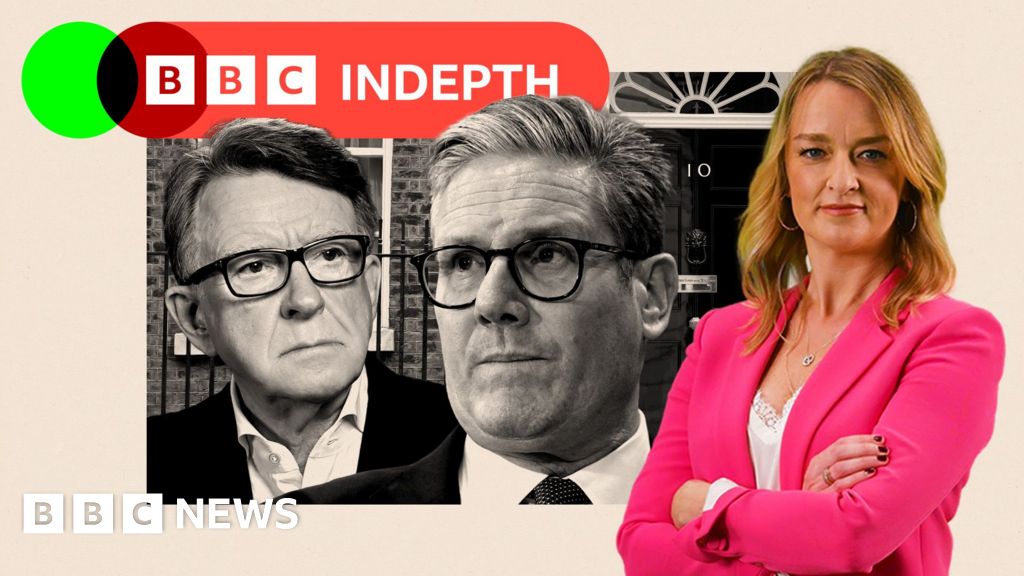
The Peter Mandelson saga continues to haunt Labour leader Sir Keir Starmer at a critical moment when millions of voters prepare to head to the polls across Scotland, Wales, and England. This controversy does more than just surface unresolved questions about past Labour governments—it directly challenges Starmer’s carefully crafted image as a principled, rule-abiding politician. The political storm threatens to undermine Labour’s electoral prospects and deepen internal party frustrations just weeks before crucial elections.

The Roots of the Mandelson Mess
At the heart of the controversy lies Starmer’s decision to reintegrate Peter Mandelson, a former heavyweight Labour figure with a checkered reputation, back into influential political circles. Mandelson’s association with a wealthy billionaire accused of abusing vulnerable young women has stirred public unease and media scrutiny. For Starmer, who projects himself as “Mr Rules” and a man of integrity, the scandal is profoundly painful.

One close ally explains, “This is wiping away the integrity Starmer prides himself on, in the eyes of the public.” The scandal’s re-emergence drags the party back to uncomfortable memories of power excesses tied to the New Labour era, threatening to overshadow recent gains in public trust.

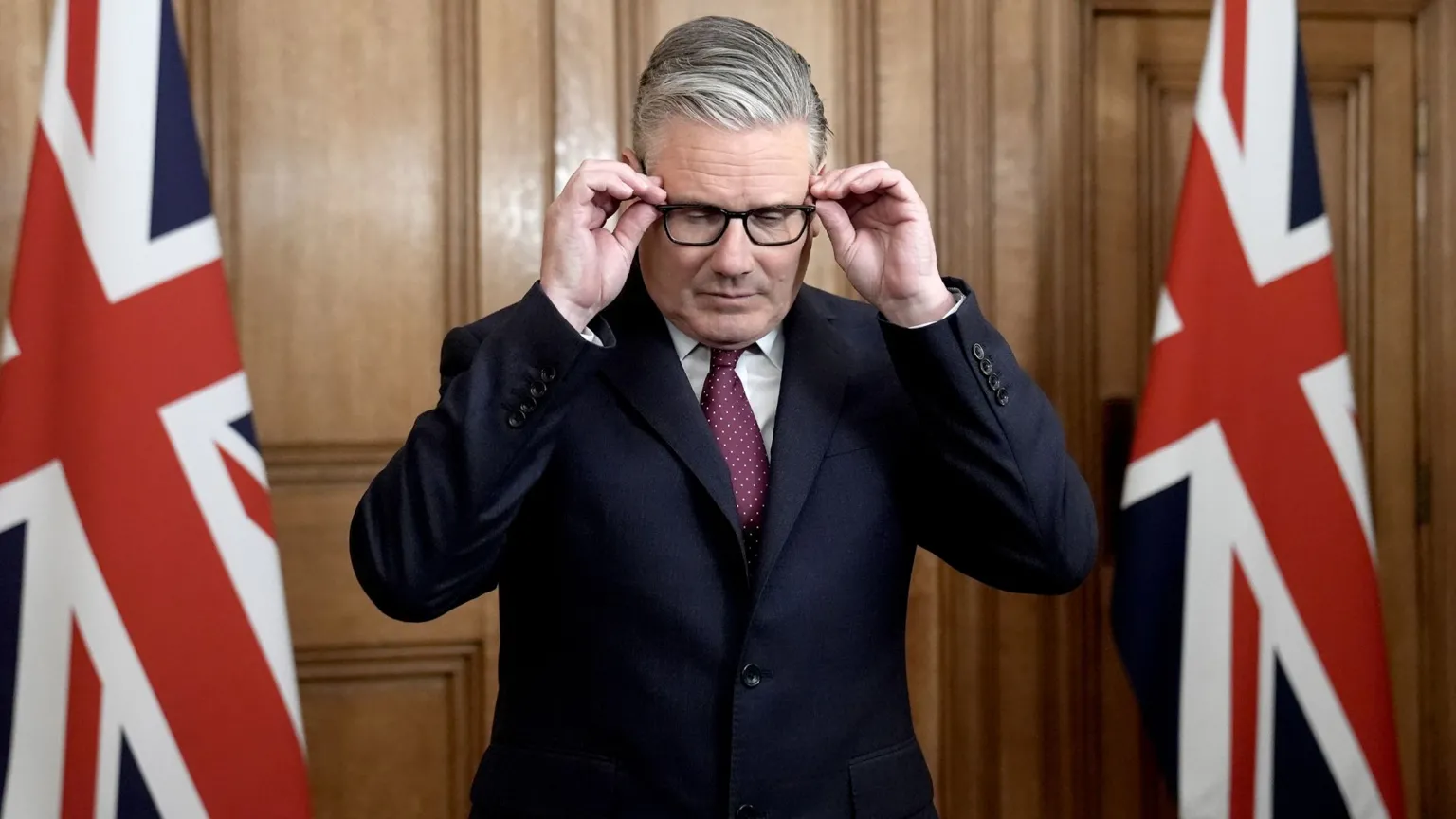
Labour’s internal sources reveal the growing frustration among activists and candidates who face the fallout firsthand. One MP involved in grassroots campaigning lamented, “It is unbelievably incompetent from Keir to have us in this situation again, just three weeks out from an election.” Another senior MP described the mood with weary resignation: “Oh no, here we go, again.”

Political Consequences Ahead of Key Elections
With elections looming, the timing of the scandal could not be worse. Labour had started to gain traction, partly due to Starmer’s handling of recent crises, including the war. Yet this controversy threatens to derail that momentum, distracting the party from its campaign focus and alienating voters.

Although no immediate leadership challenges are expected, whispers of discontent circulate within the parliamentary party. One MP starkly remarked, “It’s not possible to put any more nails in his coffin without it being made of nails, but this is another one.” Such sentiments highlight the pressure Starmer faces as internal critics weigh the party’s future.
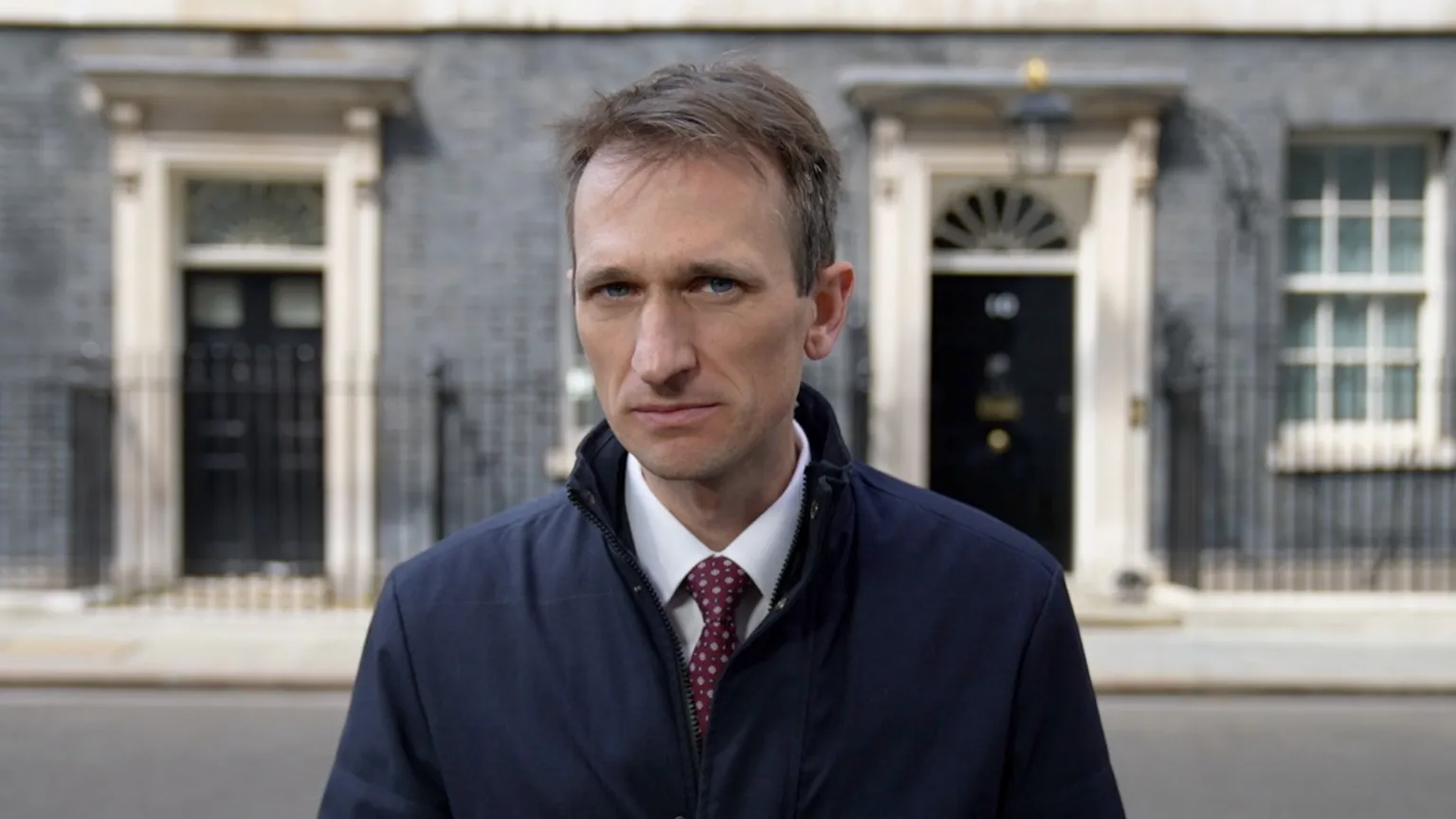
Compounding the crisis is the departure of Sir Olly Robbins, a senior civil servant involved in the Mandelson vetting process. Robbins’ exit has intensified tensions between ministers and the civil service, a dangerous development for a government already struggling to maintain cohesion. His departure also leaves a void in foreign policy management, an area where the prime minister had been seen as performing competently.
What Comes Next: Accountability and Unanswered Questions
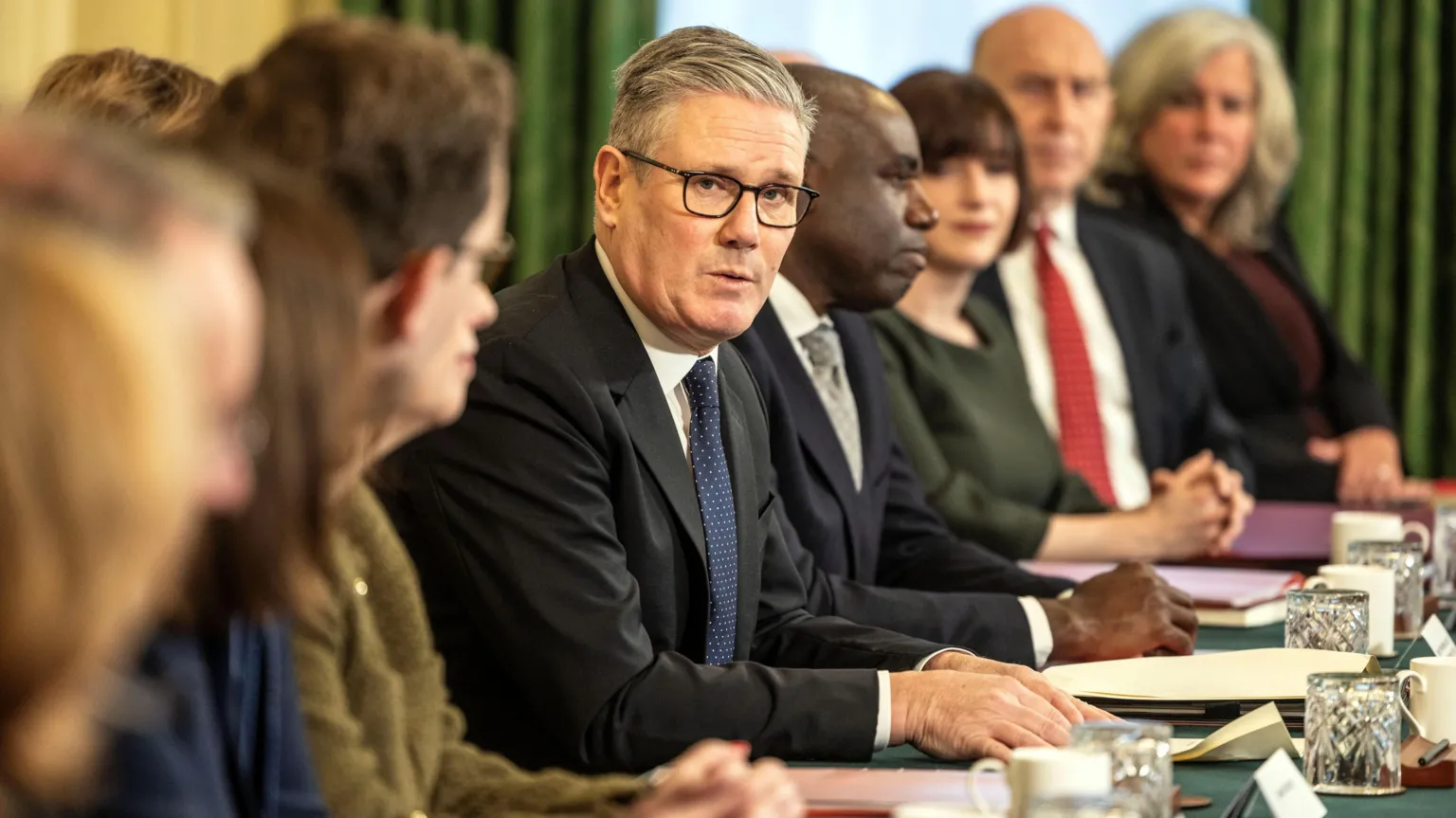
The scandal is far from over. Starmer will face intense questioning from MPs starting Monday, while Robbins has been summoned to give evidence with his exit letter in hand. Much of the scrutiny will focus on Robbins’ original judgment allowing Mandelson’s appointment despite red flags raised by security vetting agencies.
Robbins’ supporters insist he acted within established rules, but ministers have yet to clarify why they believe his assessment was flawed. Meanwhile, the public and opposition demand transparency about who authorized Mandelson’s controversial posting to Washington—a decision some justified as an attempt to deploy a charismatic, unconventional figure to engage with the equally flamboyant Donald Trump administration.
Reflecting on these events, political analysts suggest that while hindsight makes Mandelson’s appointment seem reckless, the underlying motivations were understandable given the context. Nevertheless, the scandal’s persistence underscores the risks of political decisions rooted in loyalty over judgment.
Why This Matters
The Mandelson affair is more than a political embarrassment; it’s a test of Labour’s leadership credibility and its ability to govern with transparency and integrity. Starmer’s struggle to distance himself from the controversy exposes the challenges of reconciling Labour’s past with its future ambitions.
For voters, the scandal raises questions about judgment, accountability, and the party’s commitment to ethical governance. For Labour activists and MPs, it presents an urgent challenge to maintain focus and morale ahead of pivotal elections.
As the story unfolds, the party’s handling of the crisis will significantly shape public perceptions and determine whether Labour can capitalize on its recent policy successes or remain mired in controversy.
Full details continue to emerge, but one thing remains clear: the Mandelson mess will shadow Sir Keir Starmer’s leadership well beyond the upcoming elections.