“Brexit did deep damage.” Chancellor Rachel Reeves delivered this striking statement during her Mais lecture, signaling a significant evolution in the Labour Party’s approach to Brexit. This marks a clear departure from the party’s previous stance and highlights a strategic shift toward engaging more with Remain supporters and recalibrating the UK’s relationship with the European Union.
Labour’s Changing Brexit Narrative
For years, Labour maintained a cautious position on Brexit, largely accepting the 2016 referendum result and the subsequent Trade and Co-operation Agreement negotiated by former Prime Minister Boris Johnson in 2020. The party’s 2024 election manifesto reflected this stance by proposing selective renegotiations, particularly aimed at easing EU customs checks on food and agricultural exports. Labour aimed to align Britain’s regulations with the EU’s to reduce barriers, but it drew firm boundaries against rejoining the single market, customs union, or restoring freedom of movement.
This cautious approach stemmed directly from Labour’s heavy defeat in the 2019 general election, which was partly attributed to confusion and division over Brexit. After the loss, the party accepted the reality of Brexit and voted in favor of Johnson’s Trade and Co-operation Agreement, signaling a pragmatic acceptance of the new status quo.
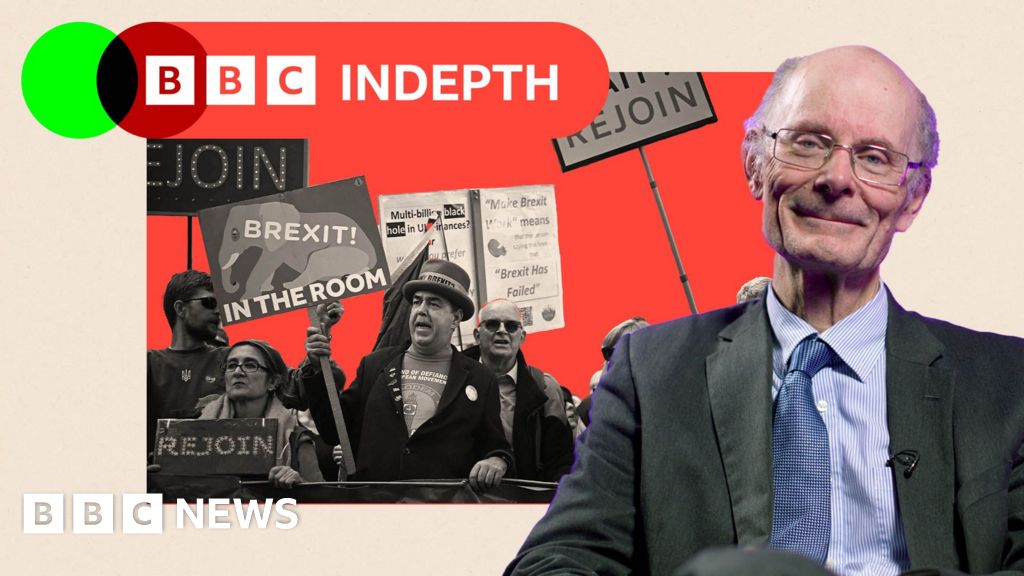
However, recent developments indicate a more assertive Labour stance. Chancellor Reeves’ comments reflect an increasing recognition within the party of Brexit’s economic and social costs. Her direct appeal to European allies emphasized the party’s belief that a closer, deeper relationship between the UK and the EU serves the interests of all parties involved, despite not advocating for a reversal of Brexit.
Keir Starmer’s Leadership and the Economic Imperative
Labour leader Sir Keir Starmer has been instrumental in shifting the party’s tone. After the 2023 Budget, Starmer openly acknowledged Brexit’s detrimental impact on the British economy, stating that it had “significantly hurt” the country’s economic performance. This frank admission marked a departure from previous Labour rhetoric and underscored a desire to “keep moving towards a close relationship with the EU.”
Starmer’s leadership reflects a strategic calculation: as the UK grapples with sluggish growth and economic uncertainty, improving ties with the EU could unlock trade benefits, investment opportunities, and regulatory cooperation. Labour’s evolving position suggests a pragmatic focus on economic recovery rather than ideological battles over Brexit’s legacy.
Crucially, Labour remains clear on red lines: it does not seek to rejoin the EU or restore full freedom of movement. Instead, the party envisions a reset—one that softens Brexit’s more disruptive consequences while respecting the referendum outcome. This nuanced position aims to appeal to both Leave and Remain voters by balancing economic realism with political pragmatism.
What This Shift Means for UK Politics
Labour’s recalibrated Brexit agenda reflects broader political and economic realities. Brexit’s complexities continue to affect trade, regulatory frameworks, and the UK’s global standing. By acknowledging Brexit’s harms and advocating a closer EU relationship, Labour positions itself as a party focused on repairing damage and fostering growth.
This shift also signals a strategic attempt to reclaim support from Remain-leaning voters disillusioned by the Conservative government’s handling of Brexit’s aftermath. Meanwhile, by respecting the referendum result, Labour avoids alienating Leave supporters, aiming for a broad electoral coalition ahead of upcoming elections.
Moreover, this evolving stance underscores an important lesson: Brexit is no longer just a political symbol but a tangible economic reality that demands practical solutions. Labour’s approach, emphasizing renegotiation and cooperation without reversal, could redefine the UK’s post-Brexit trajectory.
Looking Ahead
Labour’s Brexit repositioning represents a critical juncture in the UK’s ongoing post-Brexit adjustment. By openly addressing Brexit’s economic costs and advocating a closer EU relationship, the party signals a pragmatic path forward focused on economic renewal rather than ideological division.
As the UK navigates an uncertain economic landscape and complex international relationships, Labour’s strategy highlights the importance of flexibility, cooperation, and realism. Whether this approach will resonate with the electorate remains to be seen, but it unquestionably marks a new chapter in the Brexit debate—one grounded in the realities of today rather than the promises of the past.