

The long-awaited trial of a Libyan national accused of orchestrating the devastating 1988 bombing of Pan Am Flight 103 has been delayed after prosecutors uncovered new evidence. This unexpected development adds a complex chapter to one of the most notorious aviation terror cases in history.
The Lockerbie Bombing: A Tragic Legacy
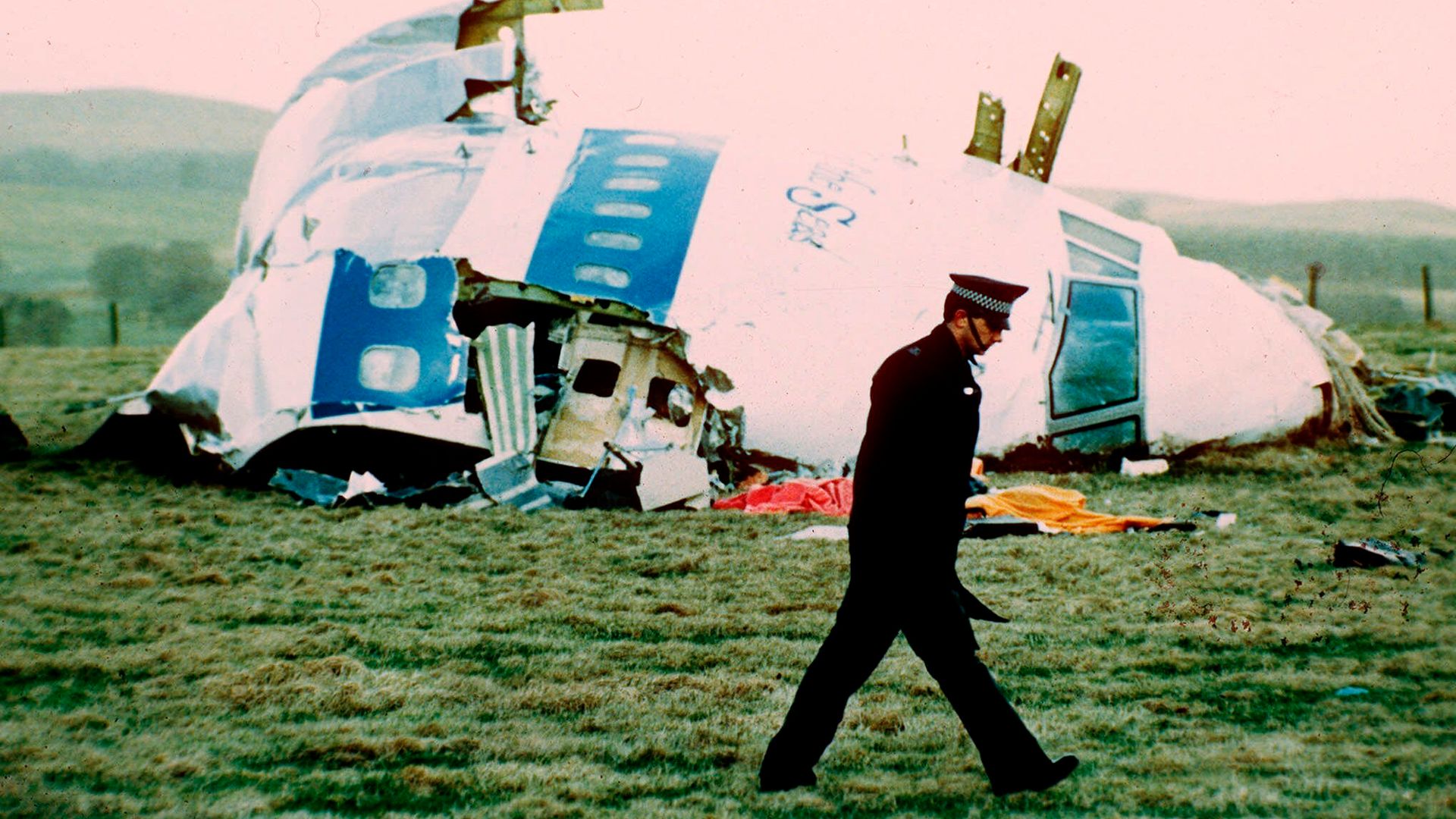
On December 21, 1988, Pan Am Flight 103 exploded over the town of Lockerbie, Scotland, killing all 259 passengers and crew aboard, along with 11 residents on the ground. The attack sent shockwaves worldwide and remains one of the deadliest acts of aviation terrorism.
The investigation eventually pointed to Libyan involvement, specifically implicating a Libyan intelligence agent. After decades of diplomatic and legal wrangling, the accused was extradited to the United States to face charges related to the bombing.
Trial Postponed: New Evidence Emerges
The scheduled trial in the United States has been postponed following the discovery of new evidence by the prosecution team. While authorities have not disclosed the precise nature of this evidence, its emergence is significant enough to warrant a delay, allowing both the prosecution and defense time to examine the materials thoroughly.
This development underscores the complexity and sensitivity surrounding the Lockerbie case, which has involved multiple countries, intelligence agencies, and decades of legal proceedings. The trial aims to bring justice to the victims and their families, but such delays can also reflect the intricate nature of gathering and verifying evidence in terrorism-related cases.
Why This Trial Matters
The US trial holds immense importance not only for the victims’ families but also for the broader international community seeking accountability for acts of terrorism. Successfully prosecuting those responsible for the Lockerbie bombing sends a powerful message about the global commitment to combating terrorism and upholding justice.
Moreover, this trial may offer new insights into the mechanisms behind the attack and the extent of Libyan state involvement. It also tests the resilience and fairness of the international legal system in handling historic cases where evidence and witnesses may be decades old.
The delay caused by the new evidence, while frustrating for many awaiting closure, reflects the judicial system’s duty to ensure that all relevant information is considered before proceeding. This approach aims to uphold the integrity of the trial and avoid miscarriages of justice.
Looking Ahead: What Comes Next?
As the prosecution and defense teams review the newly uncovered evidence, the US courts will determine a revised timeline for the trial. Legal experts anticipate that the process could extend further as both sides prepare their cases with this additional information.
For the families of the victims, the delay is a difficult setback, yet it also signifies a commitment to an exhaustive and thorough judicial process. The trial, whenever it resumes, remains a crucial opportunity to finally confront the truths behind the Lockerbie tragedy.
Ultimately, this unfolding chapter in the Lockerbie bombing case highlights the enduring challenges of achieving justice in complex international terrorism cases. It also reminds the world of the lasting impact of that fateful day in 1988 and the ongoing pursuit to honor the memory of those lost.