

London Mayor Lord Sadiq Khan has publicly stated he is a “victim of a scam” following a court conviction for failing to tax a vehicle he insists he never owned. This unexpected legal setback has raised questions about how the issue arose and what it means for one of the UK’s most prominent political figures.
What Happened: The Untaxed Car Conviction
In a surprising turn of events, Lord Sadiq Khan was convicted for the offence of not paying vehicle tax on a car reportedly linked to his name. The conviction centers on an allegation that the mayor failed to ensure the car was properly taxed, a legal requirement for all vehicles on UK roads.
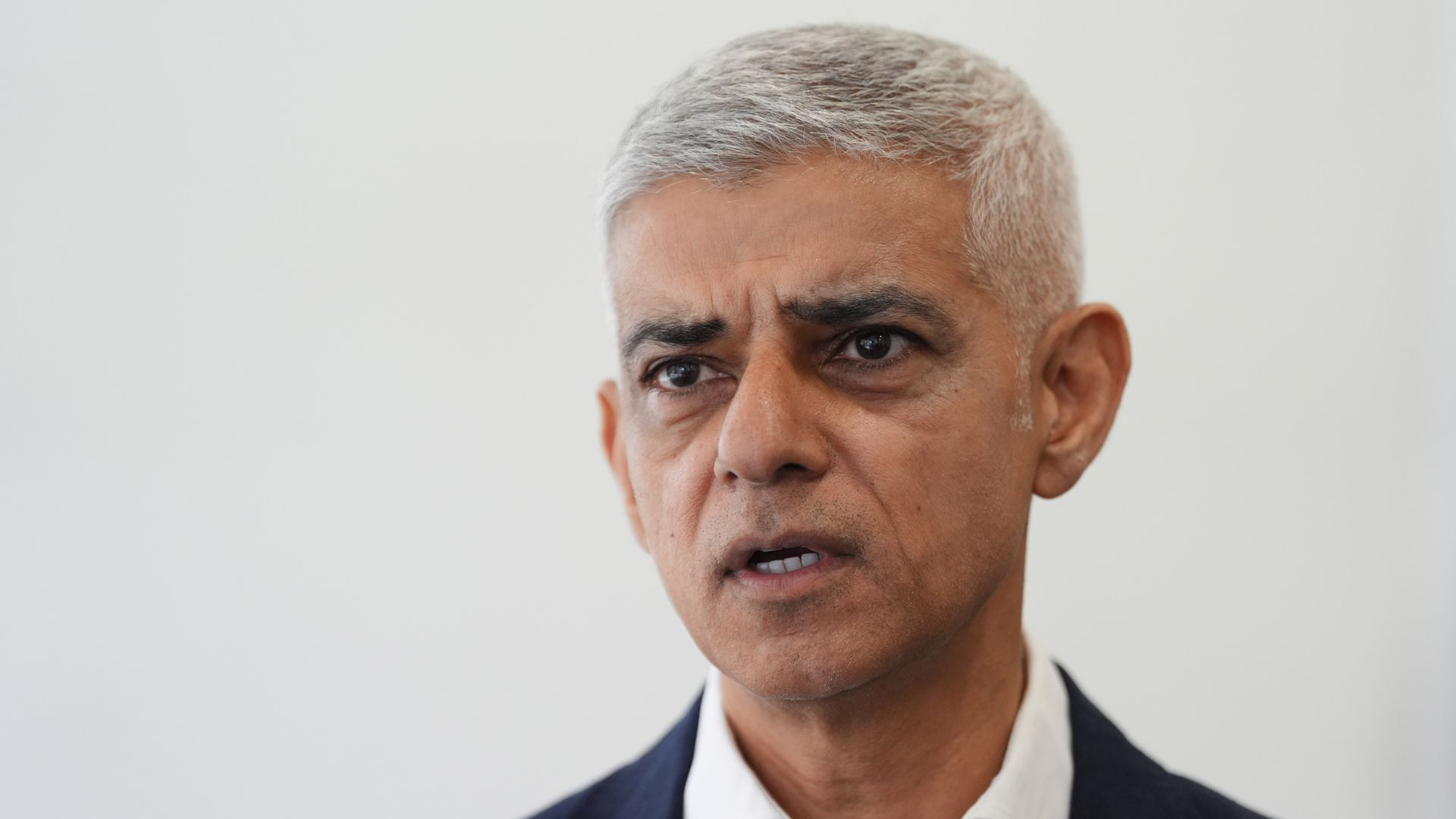
However, Khan has vehemently denied any ownership or involvement with the vehicle in question. He maintains that he is the victim of a fraudulent scheme, suggesting that someone else used his name or identity without his consent. The mayor expressed frustration and concern at being implicated in what he described as a scam, emphasizing that he had no control over the situation.
Background: Vehicle Tax Laws and Political Impact
In the UK, all motorists must pay vehicle excise duty (commonly called road tax) to legally operate a car on public roads. Failure to do so can result in fines, penalties, and even legal convictions. For public officials like Khan, adherence to such laws is especially scrutinized, given their role in governance and public trust.
As the Mayor of London, Khan oversees policies affecting millions of residents and is often in the media spotlight. This conviction, even if tied to an alleged scam, risks damaging his reputation and provides fodder for political opponents. It also raises broader concerns about identity theft and fraud, issues that have increasingly affected public figures and ordinary citizens alike.
Why This Matters: Implications for Public Trust and Fraud Prevention
This case highlights the vulnerabilities that can exist within identification and vehicle registration systems. If someone can fraudulently link a car to a high-profile politician’s name, it suggests potential gaps in verifying vehicle ownership and tax compliance.
Moreover, the incident underscores the importance of protecting individuals from scams and identity theft, particularly those in public service. For Khan, the conviction may prompt a thorough investigation to clear his name and prevent similar incidents in the future.
Public confidence in elected officials depends heavily on transparency and accountability. Even unintentional legal troubles can erode trust, making it critical for authorities to address such cases swiftly and fairly.
What Comes Next for Sadiq Khan?
Following his conviction, Khan is expected to pursue legal avenues to challenge the decision, given his insistence that he did not own the vehicle. The case may lead to further scrutiny of the processes used to assign vehicle tax responsibilities and how identity fraud can be prevented.
This situation serves as a cautionary tale for individuals and institutions alike to remain vigilant against scams that can have serious legal and reputational consequences.
In conclusion, while the conviction presents an immediate challenge for Lord Sadiq Khan, it also shines a light on broader issues of fraud prevention and legal accountability. How this case unfolds will be closely watched by the public, media, and political analysts, as it touches on vital aspects of governance, justice, and personal security.