

London’s only official Thames bathing area has become a health hazard as toxic algae blooms prompt urgent warnings for swimmers and pet owners alike. Authorities have issued a stark advisory against entering the water, citing the presence of harmful cyanobacteria that pose serious risks to both human and animal health.
The Rising Danger at London’s Thames Bathing Site
For years, London’s Thames Baths symbolized a revival of urban open-water swimming, offering city dwellers a rare chance to enjoy a natural swimming experience. However, recent environmental changes have led to an outbreak of toxic blue-green algae—also known as cyanobacteria—at this cherished location.
The algae produce potent toxins that can cause skin irritation, respiratory problems, and in severe cases, liver damage. These toxins contaminate the water and can linger on surfaces, making exposure extremely dangerous.
Local health officials have confirmed that the algae levels have surpassed safe limits, prompting the immediate closure of the bathing spot. Swimmers are strongly advised to avoid entering the water until authorities declare it safe again.
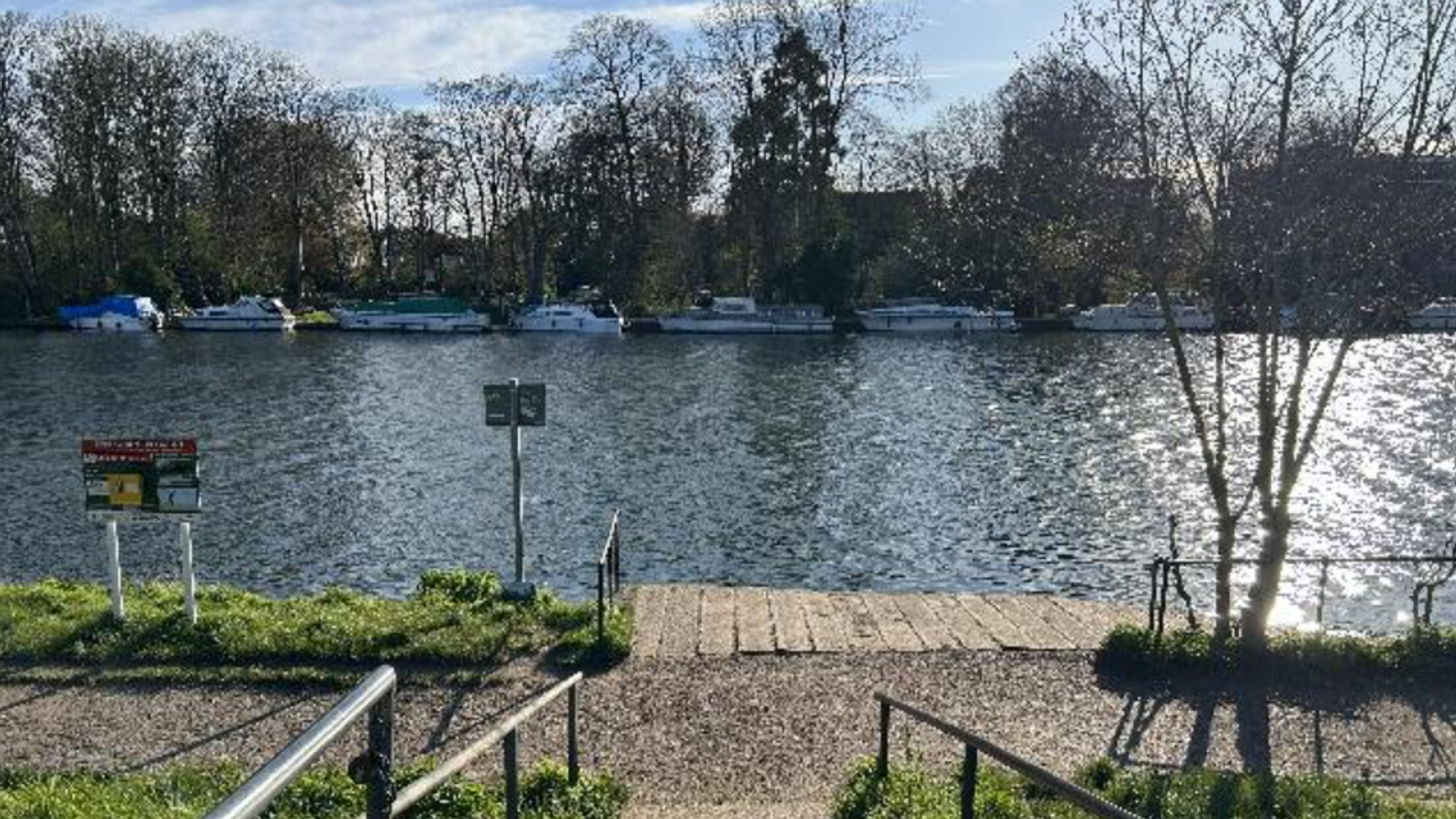
Impact on Swimmers and Pets: Why Caution Is Crucial
In addition to humans, dog owners have received urgent warnings to keep their pets away from the Thames bathing area. Dogs are particularly vulnerable because they often ingest water while swimming or licking their fur afterward, increasing the risk of poisoning.
The toxins produced by cyanobacteria can cause vomiting, diarrhea, seizures, and even death in severe cases in animals. Veterinarians urge pet owners to remain vigilant and avoid allowing dogs near affected waters until the algae bloom subsides.
For recreational swimmers, exposure symptoms range from mild skin rashes and eye irritation to more serious respiratory distress. Health services emphasize that anyone experiencing symptoms after swimming in the Thames should seek medical attention promptly.
Understanding the Causes and What Lies Ahead
Experts attribute the algae bloom to a combination of warmer temperatures, stagnant water conditions, and nutrient pollution—often from agricultural runoff and urban waste. These factors create an ideal environment for cyanobacteria to multiply rapidly.
Climate change appears to be exacerbating these conditions, leading to more frequent and intense blooms in freshwater bodies worldwide, including the Thames. This environmental challenge complicates efforts to maintain safe recreational water spaces in major cities.
Authorities are implementing water quality monitoring and exploring mitigation strategies to restore the bathing area. These include reducing nutrient inflows and increasing water circulation. However, full recovery may take weeks or months, depending on weather conditions and remediation success.
What This Means for Londoners and Urban Swimmers
The closure of the Thames Baths serves as a cautionary tale about the delicate balance between urban recreation and environmental health. For many Londoners, the spot provided a unique connection to the city’s river heritage and a welcome escape from pools and gyms.
While the current situation is disappointing, it highlights the urgent need for sustainable environmental practices and public awareness to protect natural swimming areas. Swimmers should remain informed about water quality reports and heed official guidance to avoid health risks.
As the city grapples with the effects of climate change and pollution, the future of open-water swimming in the Thames depends on coordinated efforts among local authorities, environmental groups, and the public.
For now, the best course of action is clear: avoid swimming in the Thames bathing spot until it is declared safe, keep pets away from the water, and stay alert to updates from health and environmental agencies.