

London’s Ultra Low Emission Zone (ULEZ) initiative is delivering more than cleaner air—it is now linked to significant improvements in children’s lung development, according to recent research. This finding highlights the profound health benefits achieved by policies targeting urban air pollution, especially for younger populations vulnerable to environmental hazards.
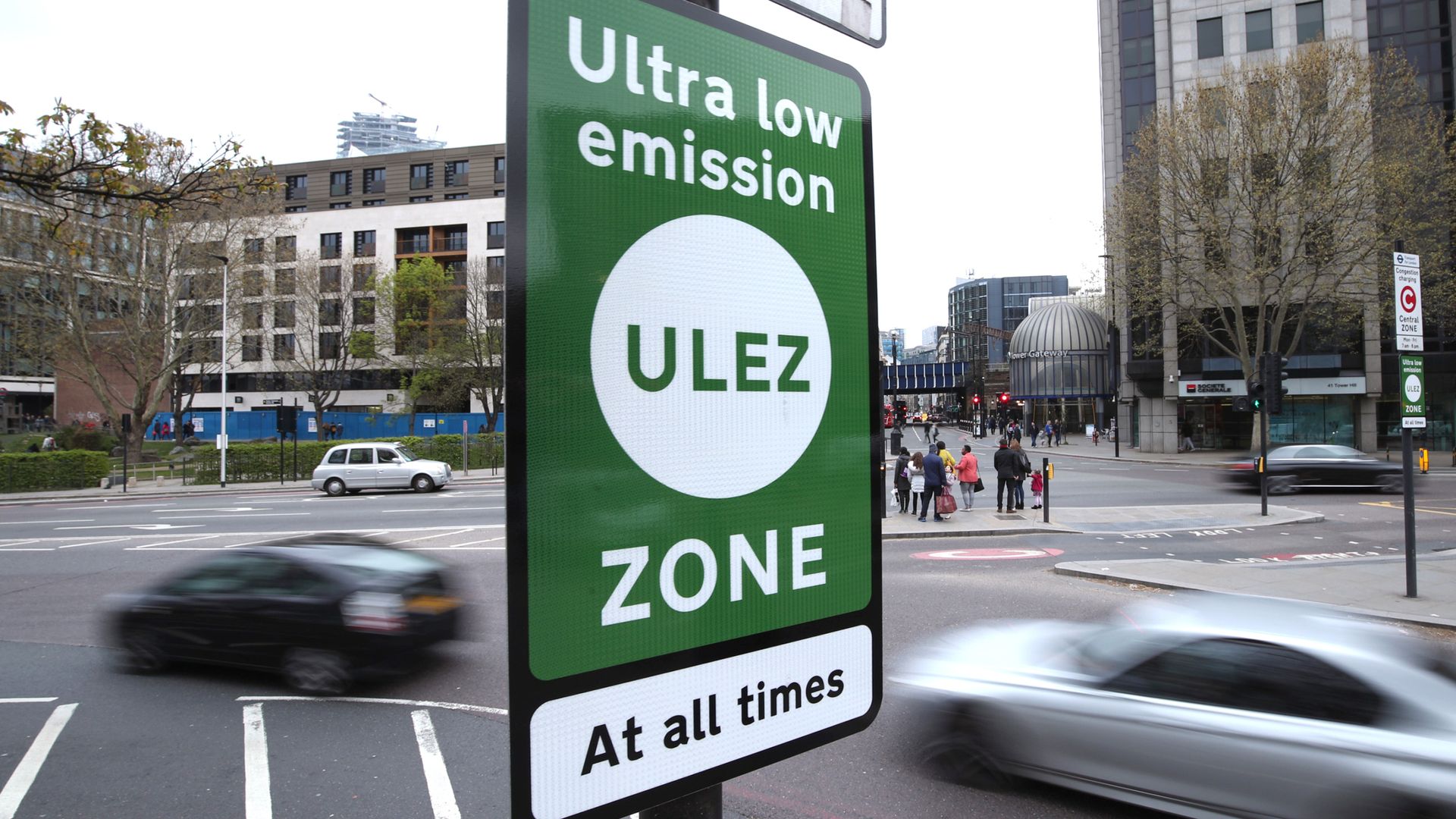
What Is ULEZ and How Does It Impact Air Quality?
The Ultra Low Emission Zone (ULEZ) was introduced in central London to reduce harmful vehicle emissions by restricting access to older, more polluting cars and encouraging cleaner transportation alternatives. This scheme imposes charges on vehicles that fail to meet stringent emission standards, effectively pushing for a shift toward electric and low-emission vehicles.
Since its rollout, ULEZ has contributed to a measurable decrease in air pollutants such as nitrogen dioxide (NO2) and particulate matter (PM), both of which are known to cause respiratory problems and other health issues. By targeting these pollutants, the program aims to improve overall air quality and public health, especially for residents living and working in the city’s most congested areas.
Linking ULEZ to Children’s Lung Development
Children’s lungs are particularly susceptible to damage from air pollution because their respiratory systems are still developing. Reduced exposure to toxic pollutants can support healthier lung growth, which has long-term implications for respiratory health throughout life.
The recent study examining ULEZ’s impact found that children living in London experienced measurable improvements in lung function growth rates following the zone’s implementation. The research compared lung health data collected before and after ULEZ started, revealing that reduced pollution levels corresponded with enhanced lung capacity and development among the youth.
This is a crucial breakthrough, as impaired lung growth in childhood is linked to increased risks of chronic respiratory diseases in adulthood, including asthma and chronic obstructive pulmonary disease (COPD). The study’s findings suggest that urban environmental policies like ULEZ can play a vital role in safeguarding children’s long-term health.
Broader Implications and Future Outlook
The positive health outcomes associated with ULEZ underscore the importance of continuing and expanding low-emission initiatives not only in London but in other metropolitan areas worldwide. Urban centers grappling with pollution can look to ULEZ as a successful model that balances modern transportation needs with public health priorities.
Moreover, the Mayor of London’s commitment to environmental and health causes is evident beyond ULEZ. For instance, support for initiatives such as sending 4×4 vehicles that would otherwise be scrapped under ULEZ regulations to Ukraine demonstrates a multifaceted approach that considers both sustainability and humanitarian efforts.
As cities continue to confront the challenges posed by climate change and urban pollution, integrating health-focused policies like ULEZ becomes increasingly critical. Monitoring and expanding such programs can help reduce the burden of pollution-related diseases, improve quality of life, and foster healthier future generations.
What This Means for Londoners and Beyond
The evidence linking ULEZ to improved lung growth in children sends a powerful message: targeted environmental policies can yield tangible health benefits. For Londoners, this means cleaner air and healthier lungs for the youngest residents, translating into long-term societal advantages such as reduced healthcare costs and greater productivity.
For policymakers and urban planners globally, the ULEZ example offers a blueprint for how emission regulations can directly contribute to public health improvements. It encourages investment in sustainable transport infrastructure and stricter emission standards to protect vulnerable populations.
In sum, the success of London’s Ultra Low Emission Zone extends beyond environmental metrics—it signifies a critical step forward in public health, particularly for children whose well-being shapes the future of any city.