

US rapper Macklemore has publicly stated that he was dropped from Ed Sheeran’s upcoming tour after expressing solidarity with Palestine during a live performance. The controversy ignited intense discussion about artists’ freedom of speech and the intersection of politics and entertainment.
What Happened: Macklemore’s “Free Palestine” Comment and Its Fallout
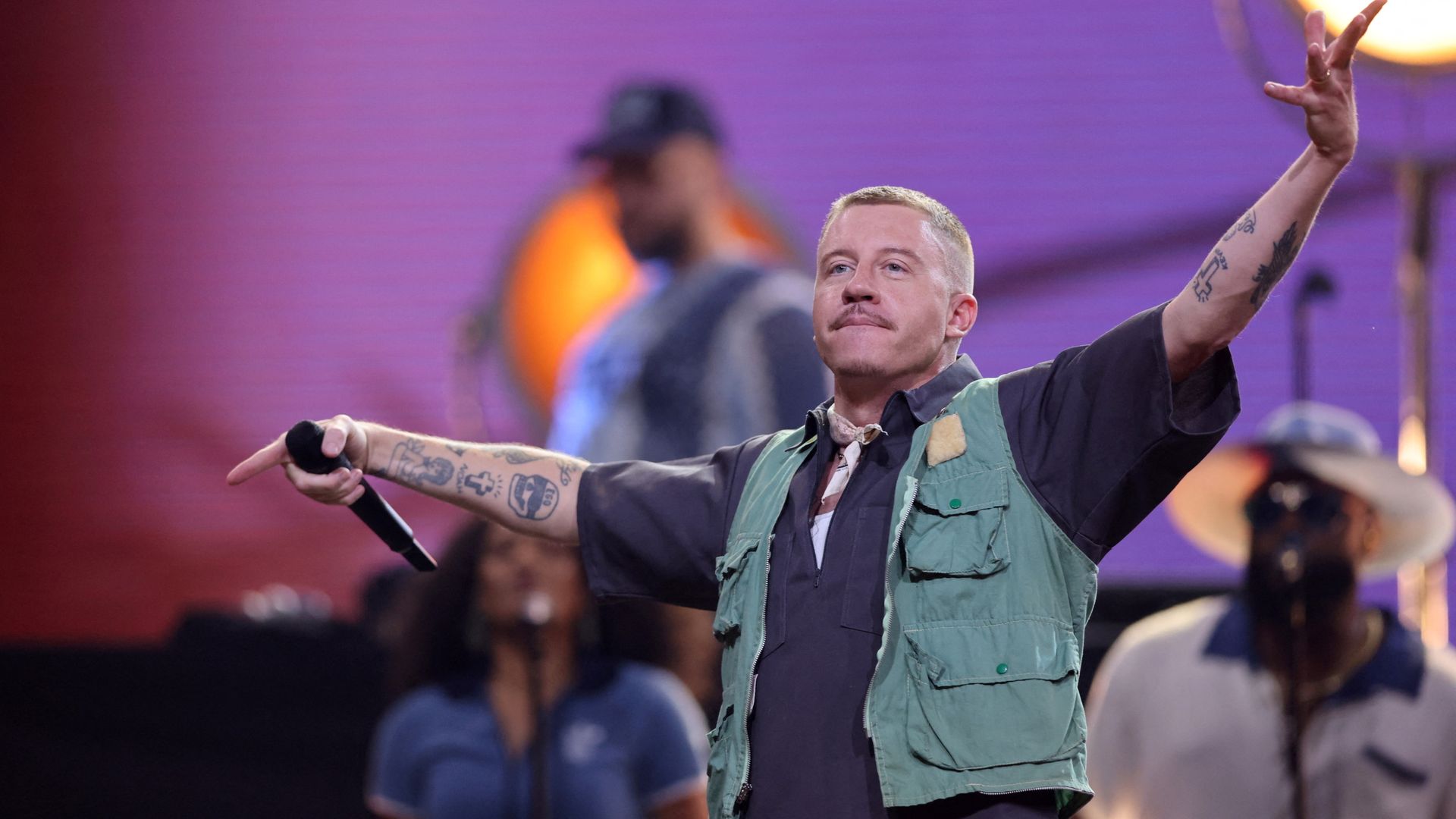
During a recent concert, Macklemore made a bold statement by saying “Free Palestine,” a phrase widely associated with support for Palestinian rights amid ongoing conflict in the Middle East. This comment, delivered on stage in front of his audience, quickly drew attention—and reportedly led to his removal from Ed Sheeran’s tour lineup.
Macklemore claims the decision to exclude him came directly after his political statement, indicating that his stance on the Israel-Palestine conflict was the primary reason for the tour change. While neither Ed Sheeran nor his management have publicly confirmed the removal or explicitly linked it to Macklemore’s comment, the rapper’s assertion has sparked widespread debate across social media and entertainment circles.
Why This Matters: The Clash of Art, Politics, and Public Opinion
The incident highlights a growing tension in the music industry where artists’ political expressions can impact their professional opportunities. The Israel-Palestine conflict remains one of the most divisive global issues, and entertainers who voice opinions on such topics often face backlash or support depending on their audience and industry stakeholders.
Macklemore’s situation raises critical questions about artistic freedom and the consequences of speaking out on contentious issues. Supporters argue that musicians have the right—and perhaps even the responsibility—to use their platforms to advocate for human rights and social justice. Critics, however, may see such statements as polarizing or inappropriate in entertainment settings, potentially alienating fans or sponsors.
Ed Sheeran’s tour, which draws large international crowds, represents a significant commercial venture. The choice to remove or retain a supporting act with a politically charged reputation involves balancing artistic expression with business considerations and audience sensitivities.
What Comes Next: Implications for Macklemore and the Music Industry
For Macklemore, this development could affect his touring opportunities and collaborations moving forward. His willingness to take a public stand might resonate with fans who value activism, but it could also limit his access to mainstream platforms controlled by entities cautious about controversy.
This episode may prompt other artists and their teams to carefully weigh the risks of vocal political advocacy. It also signals to promoters and headliners the potential challenges of managing diverse viewpoints within a tour lineup.
Meanwhile, the broader music community continues grappling with how to navigate freedom of speech in an era of heightened political awareness and social media scrutiny.
Takeaway: The Intersection of Music and Activism Remains Complex
Macklemore’s removal from Ed Sheeran’s tour following his “Free Palestine” comment underscores the complex relationship between politics and the music industry. As artists increasingly use their platforms to engage with global issues, they face both new opportunities for influence and significant professional risks.
For fans and industry insiders alike, this incident serves as a reminder that the entertainment world does not exist in a vacuum. Political expression can shape careers and public perception, making it essential for artists and promoters to navigate these waters thoughtfully and transparently.
Full details about the circumstances of Macklemore’s removal remain limited, but the conversation sparked by this event is likely to continue influencing how political speech is treated within mainstream music circles.