

A confirmed case of Bovine Spongiform Encephalopathy (BSE), commonly known as Mad Cow Disease, has been identified in a cow on a farm located in Dumfries and Galloway, Scotland. This discovery has raised concerns within the agricultural community and public health officials due to the disease’s potential impact on cattle health and food safety.
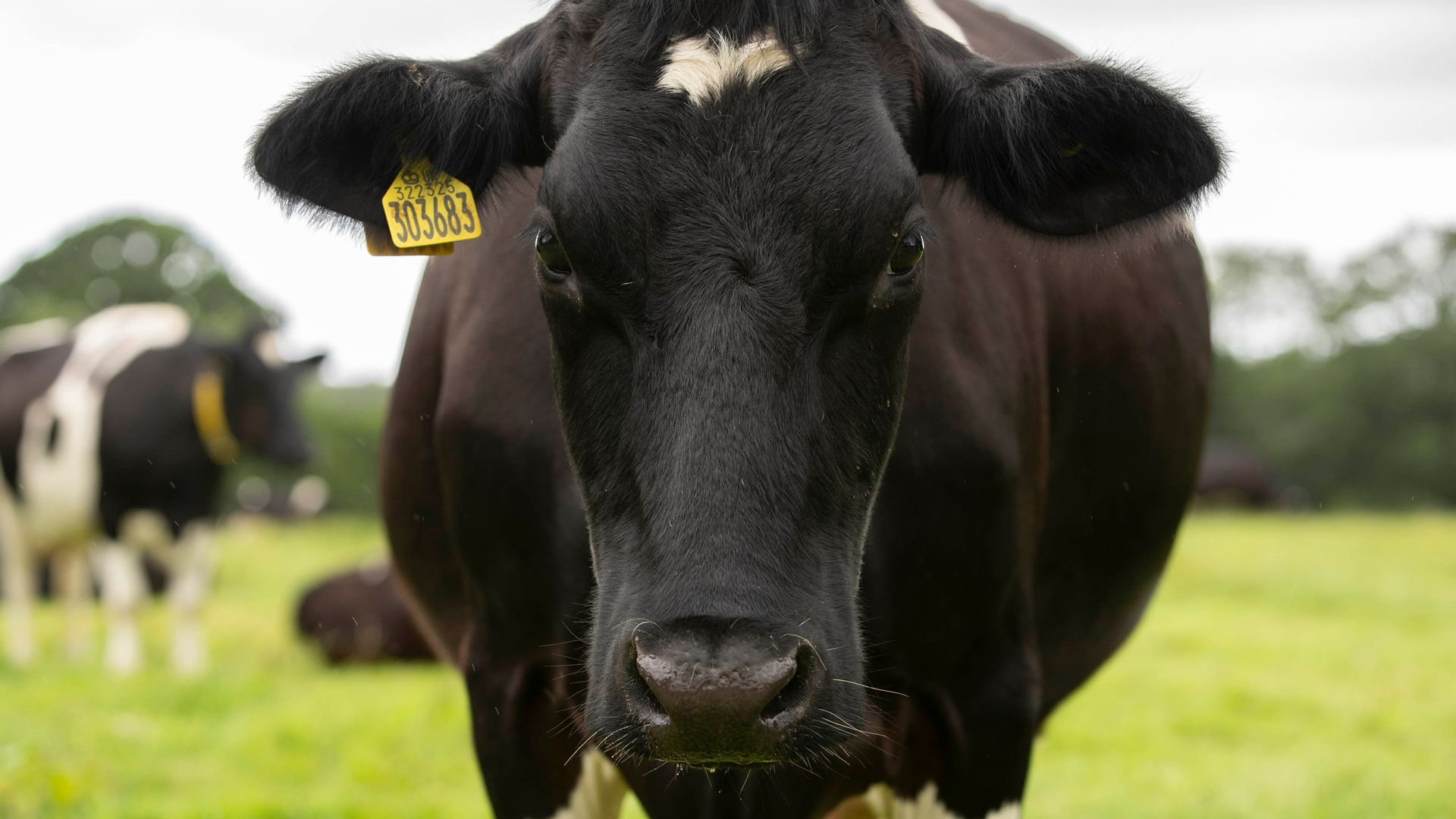
What Happened: The BSE Diagnosis Uncovered
Authorities confirmed that a single cow on a local farm tested positive for BSE, a fatal neurodegenerative disease affecting cattle. BSE is caused by prions—misfolded proteins that lead to brain damage and eventual death in affected animals. The disease gained widespread attention during outbreaks in the UK during the 1980s and 1990s, which resulted in significant agricultural and economic repercussions.
The affected animal was identified during routine surveillance testing, which remains a critical component of national efforts to monitor and control BSE. Following diagnosis, immediate containment protocols were activated to prevent any potential spread of the disease within the herd or to other farms in the region.
Why It Matters: Implications for Agriculture and Public Health
BSE poses serious concerns beyond the agricultural sector. While the disease itself only affects cattle, its link to variant Creutzfeldt-Jakob disease (vCJD) in humans has heightened vigilance worldwide. vCJD is a rare but fatal brain disorder believed to result from consuming BSE-contaminated beef products.
Since the original BSE outbreaks, the UK and other countries have implemented stringent controls, including bans on certain animal feed practices and robust testing regimes. These measures have dramatically reduced BSE incidence. However, the detection of a new case in Dumfries and Galloway underscores the necessity of ongoing vigilance and strict biosecurity measures on farms.
Farmers in Dumfries and Galloway and surrounding areas face immediate challenges. The discovery will likely trigger a series of inspections, movement restrictions, and possible culling to ensure containment. Such measures are vital to maintaining consumer confidence in beef products and protecting the wider livestock industry.
What Comes Next: Containment and Monitoring Efforts
Following the confirmation, veterinary authorities are conducting detailed investigations to trace the origin of the infection and identify any other potentially affected animals. This includes testing of neighboring herds and scrutinizing feed sources, as contaminated feed is a known transmission pathway for BSE.
Government agencies will also coordinate with farmers to enforce strict quarantine and biosecurity protocols. These steps aim to prevent any further cases and to safeguard both animal and human health.
Public health experts continue to emphasize that the risk to consumers remains extremely low due to rigorous meat inspection and processing controls. Nevertheless, vigilance remains crucial to prevent any future outbreaks.
Looking Ahead: The Importance of Continued Surveillance
The recent BSE case in Dumfries and Galloway serves as a stark reminder of the persistent threat posed by prion diseases in cattle. It highlights the critical role of routine testing, surveillance, and rapid response systems in protecting public health and the agricultural economy.
Farmers and policymakers must maintain stringent controls and transparent communication to manage any risks effectively. Consumers can be reassured that current food safety measures are designed to minimize exposure to BSE and related diseases.
As investigations proceed, authorities will provide updates to ensure that all stakeholders remain informed and prepared.
Full details have not yet been released.