

The devastating impact of the Manchester Arena bombing continues to resonate years after the tragic event, according to a survivor who has opened up about the long-term effects of terrorism on victims and communities.
The Manchester Arena Attack: A Moment That Changed Lives
On May 22, 2017, a suicide bombing at the Manchester Arena during an Ariana Grande concert shook the city and the world. The attack claimed 22 lives and injured hundreds more, leaving an indelible scar on survivors, families, and the broader community. Beyond the immediate horror, many victims are still grappling with the aftermath years later, as trauma manifests in complex and enduring ways.
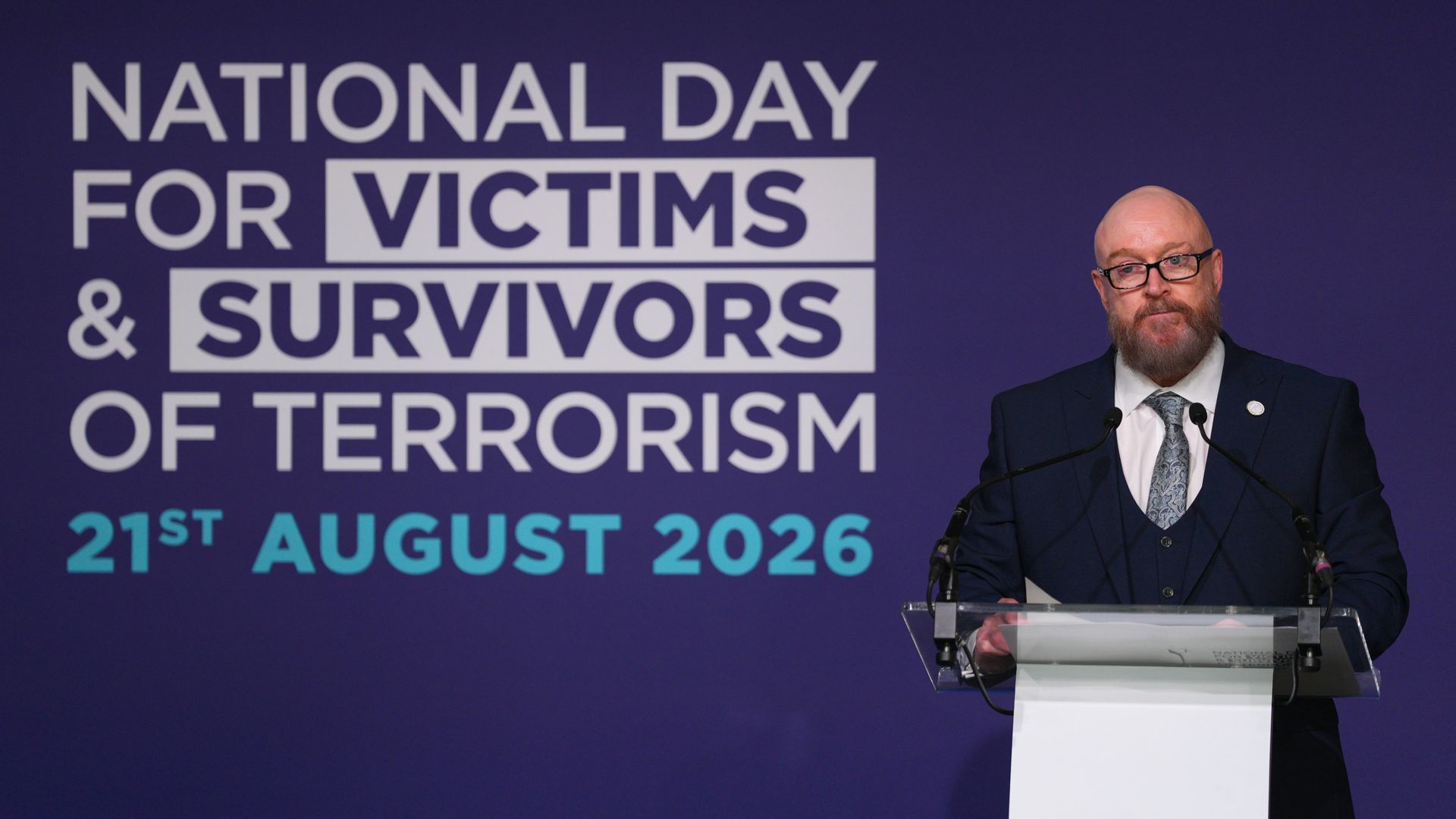
For survivors, the experience transcends the physical injuries sustained that night. Psychological wounds—such as post-traumatic stress disorder (PTSD), anxiety, and depression—often persist, influencing daily life long after the media coverage fades. This survivor’s testimony sheds light on how terrorism’s shadow extends far beyond the moment of violence, affecting emotional well-being, relationships, and a sense of security.
Why the Impact of Terrorism Persists for Years
Survivors of terrorist attacks frequently face ongoing challenges that can last for years or even decades. The sudden and violent nature of such events disrupts individuals’ lives in profound ways. Many survivors report recurring flashbacks, nightmares, and heightened vigilance, symptoms consistent with trauma-related disorders.
Moreover, the communal trauma affects entire cities and nations, shaping public consciousness and policy. In Manchester, the bombing prompted a wave of solidarity and resilience, but also fear and uncertainty. Survivors often find themselves navigating complicated emotions—grief for lost loved ones, guilt for surviving, and the struggle to rebuild a sense of normalcy.
The survivor’s statement about the prolonged impact underscores the importance of sustained support systems. Mental health services, community initiatives, and memorial events play critical roles in helping individuals and communities heal. Yet, the path to recovery is rarely linear, and the scars—both visible and invisible—serve as stark reminders of terrorism’s enduring reach.
What This Means for Survivors and Society
Understanding that terrorism’s effects extend beyond the immediate aftermath is crucial for policymakers, healthcare providers, and society at large. Long-term mental health care and social support must be priorities to address the evolving needs of survivors.
Manchester’s experience illustrates how cities can respond with resilience, but also highlights gaps in resources and awareness. Survivors’ voices remind us that healing is an ongoing process demanding attention and empathy. Commemorating victims and supporting survivors fosters a culture of remembrance and prevention, helping communities withstand and confront future threats.
For survivors, sharing their stories not only aids personal healing but also educates the public about the true cost of terrorism. Their courage in speaking openly about the enduring impact challenges stigmas surrounding trauma and mental health, encouraging others to seek help and solidarity.
Looking Forward: The Road to Healing
As years pass since the Manchester Arena attack, survivors continue to live with its consequences, navigating a complex journey toward recovery. Their experiences highlight the profound, lasting effects of terrorism that ripple through individuals and communities alike.
Recognizing this reality calls for sustained commitment to mental health resources, community support, and public awareness. By honoring survivors’ resilience and addressing their ongoing needs, society can better confront the far-reaching consequences of terrorism and build a more compassionate, prepared future.
The Manchester Arena attack survivor’s message is clear: the impact of terrorism does not end with the headlines—it lingers, shapes lives, and demands enduring attention.