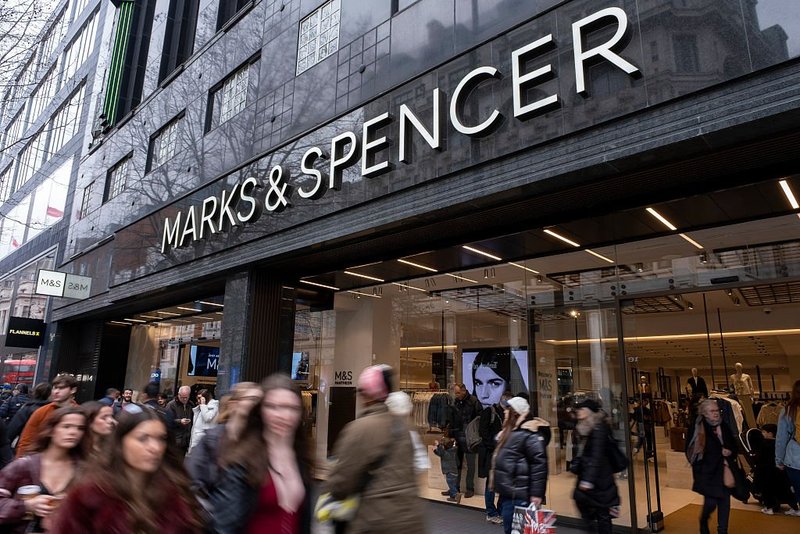
Marks & Spencer’s retail leadership is sounding the alarm on the sharp increase in brazen, organised, and aggressive crime across London following a turbulent week marked by widespread antisocial behaviour. Retail director Thinus Keeve issued a stark warning that without decisive government action and effective policing, businesses and communities remain vulnerable to escalating violence and disorder.
Escalating Antisocial Behaviour in London’s Retail Spaces
Over the past week, London has witnessed a surge in coordinated antisocial incidents, with hundreds of teenagers and young adults engaging in so-called “link-ups.” These gatherings, often arranged through social media platforms like TikTok and Snapchat, culminate in rapid, large-scale incursions into retail stores. Marks & Spencer was among the prominent targets during these disruptive events, which have shaken both retailers and shoppers alike.
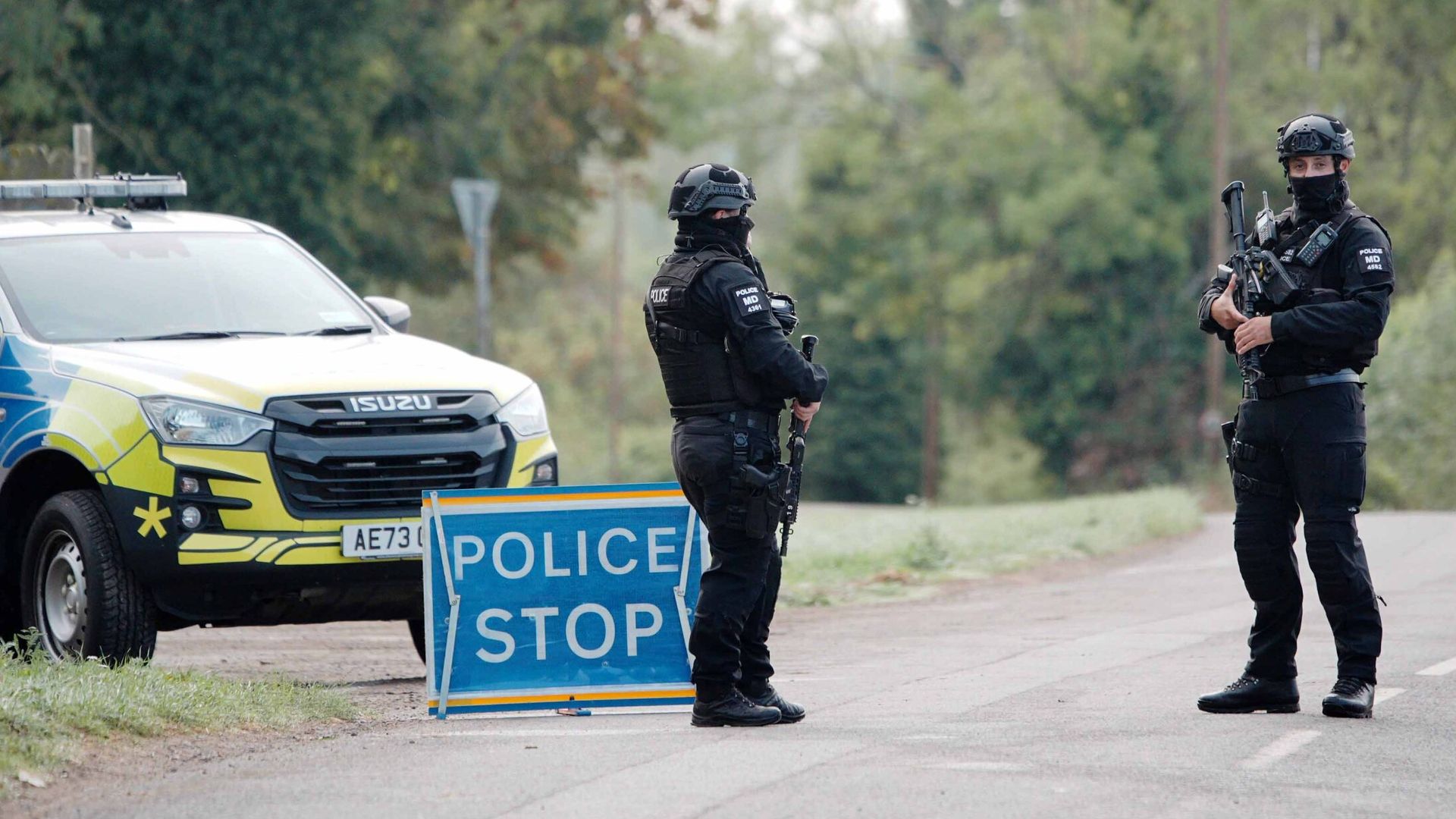
On Tuesday alone, approximately 100 police officers responded to reports of antisocial behaviour in Clapham, South London. During these interventions, four officers and one member of the public were assaulted, highlighting the growing aggression faced by law enforcement on the front lines. These incidents underscore the increasingly hostile environment surrounding London’s high streets and shopping centres.
Calls for Stronger Policing and Government Action
In an open letter posted on Marks & Spencer’s website, Thinus Keeve criticised both the government and London Mayor Sadiq Khan for failing to adequately address the surge in violence. Keeve emphasised the urgent need for a “stronger, faster and more consistent police response” that utilises existing legal tools to target repeat offenders and crime hotspots effectively.
“Without a government seriously cracking down on crime and a Mayor that prioritises effective policing, we are powerless,” Keeve stated. He called for enhanced support and resources for police forces, urging authorities to collaborate closely with retailers to share data and develop strategies that proactively target offenders before incidents escalate.
The retail director also expressed scepticism about official claims that crime rates in London are falling. “I keep hearing crime is falling, especially in London—something none of us believe, and very few people working in retail would see,” he remarked, highlighting the disconnect between official statistics and on-the-ground realities experienced by businesses.
Government and Police Responses to Rising Disorder
Following the weekend’s unrest, Marks & Spencer’s CEO Stuart Machin wrote directly to Home Secretary Shabana Mahmood, urging urgent governmental intervention. The letter reflects growing concern among major retailers about the impact of sustained criminal activity on public safety and commerce.
London Mayor Sadiq Khan condemned the recent disturbances as “utterly unacceptable” and promised that those responsible would face “the full force of the law.” Khan noted ongoing efforts by the Metropolitan Police to work with social media companies to clamp down on viral content that promotes violence and theft, recognising the role of digital platforms in facilitating these organised incidents.
Outside London, police in Rochdale responded to similar antisocial behaviour by issuing a 48-hour dispersal order, demonstrating a broader regional crackdown on disorderly conduct and criminal activity linked to youth gatherings.
Why This Matters
The rise in organised retail crime and violent antisocial behaviour represents a critical challenge for London’s safety and economic vitality. Retailers like Marks & Spencer serve millions of customers weekly, and growing insecurity threatens not only their operations but also public confidence in shopping environments.
Effective policing combined with robust government policies is essential to dismantle the networks behind these incidents and restore order. The call for enhanced police resources and smarter use of data underscores a need for a coordinated, multi-agency response that addresses both the symptoms and root causes of the unrest.
As London grapples with these challenges, the message from the retail sector is clear: without urgent action, the safety of communities and the future of retail in the capital remain at significant risk.