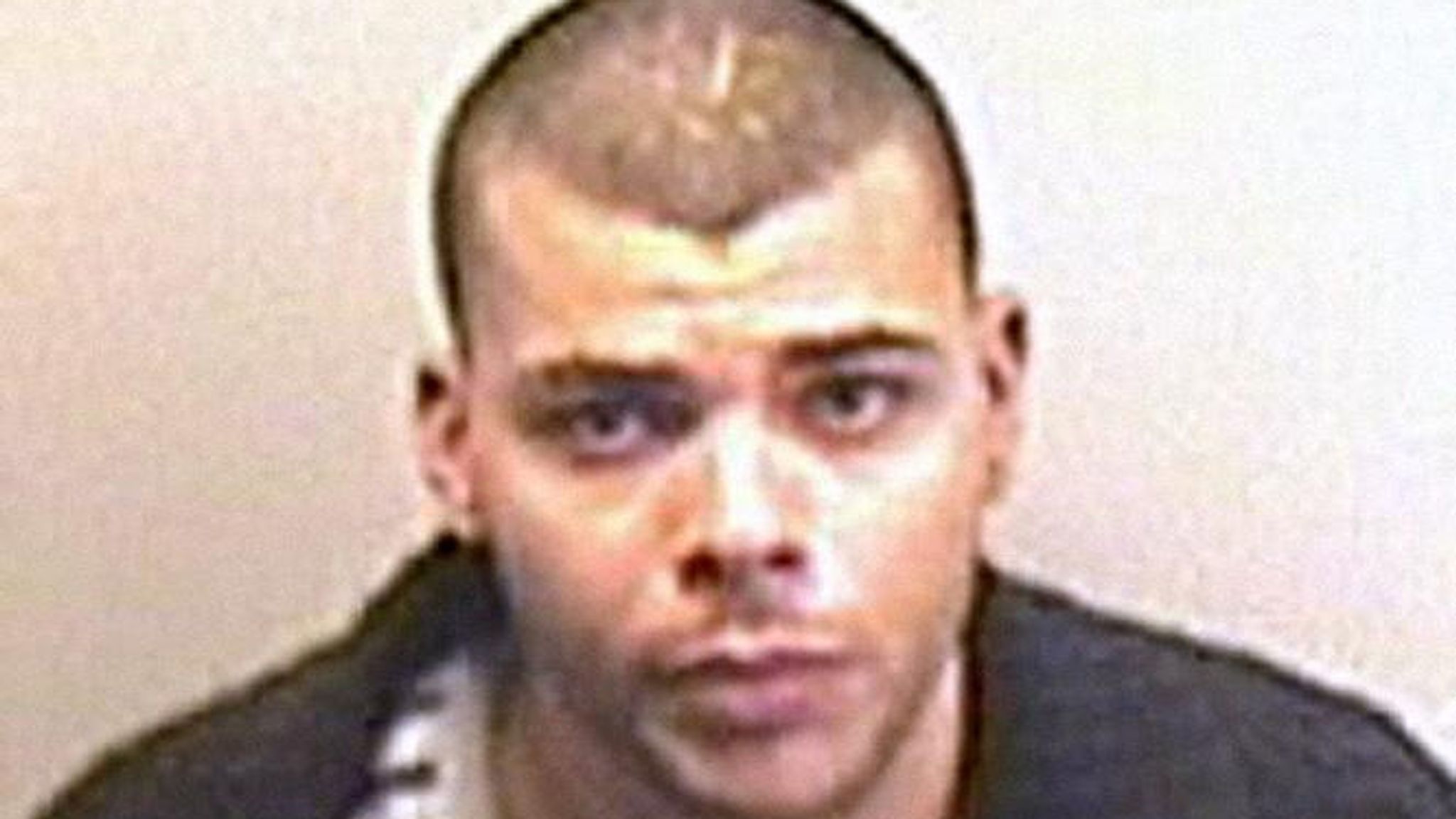
The Parole Board has recommended the release of Lea Rusha, a central figure in the infamous Securitas depot robbery, Britain’s largest ever cash heist, which saw £53 million stolen in 2006. Rusha’s release marks a significant development in a case that continues to captivate the UK, with millions still missing two decades after the audacious crime.
The Securitas Heist: A Crime That Shook Britain
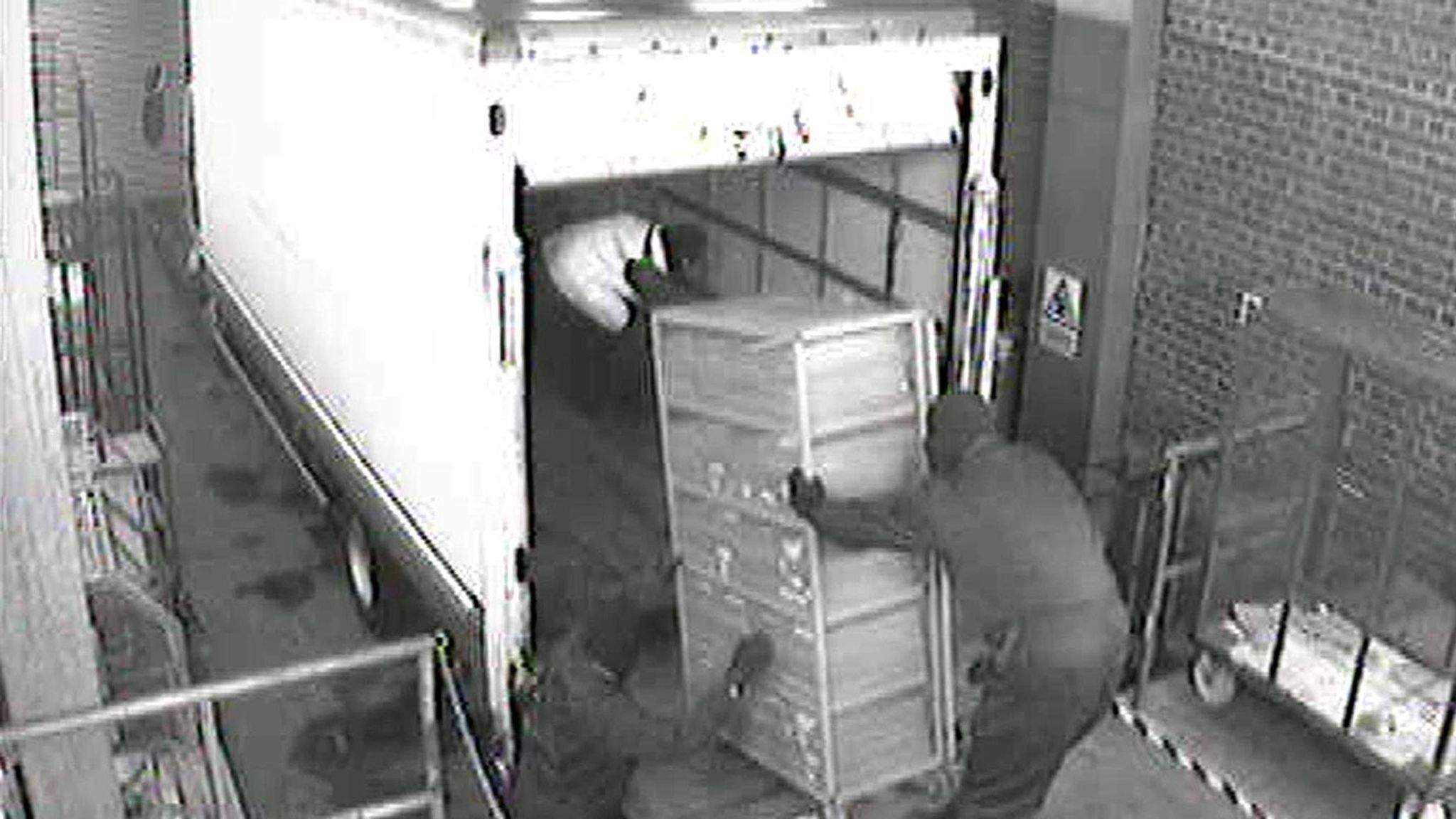
In February 2006, the quiet town of Tonbridge, Kent, became the scene of an unprecedented robbery. A gang of masked men, armed and ruthless, stormed the Securitas cash depot, holding staff at gunpoint and tying them up before loading an astonishing £53 million into a 7.5-tonne lorry. This remains the largest cash robbery in British history.
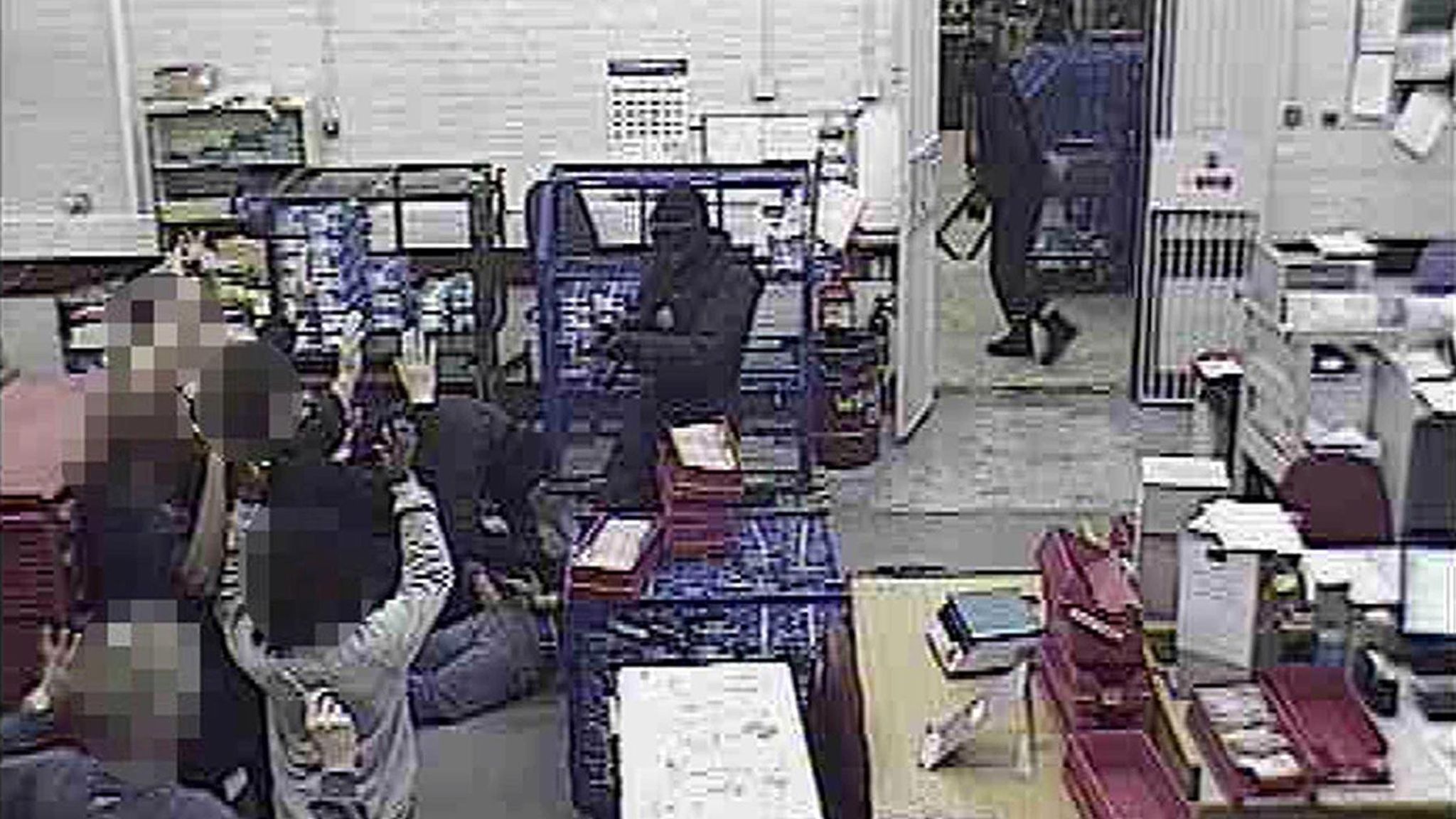
Lea Rusha, then 35 years old, played a pivotal role in the operation. Disguised with prosthetics and a fake ginger beard, he was one of two men who impersonated police officers to kidnap Colin Dixon, the depot manager, along with his family. This brazen tactic was designed to facilitate the robbery by forcing compliance from the depot staff under threat of harm.
Despite the scale of the operation and the police’s ongoing efforts, more than £30 million of the stolen cash remains unaccounted for, underscoring the case’s enduring mystery and the challenges law enforcement continues to face.

Legal Battles and Sentencing
Rusha was convicted in 2008 at the Old Bailey on multiple serious charges including conspiracy to commit robbery, kidnapping, and possession of a firearm. He was sentenced to an indefinite term with a minimum of 15 years. Other key figures in the heist also faced lengthy sentences. Lee Murray, the alleged mastermind and former cage fighter, was imprisoned in Morocco, while Paul Allen was extradited from Morocco and jailed in the UK.
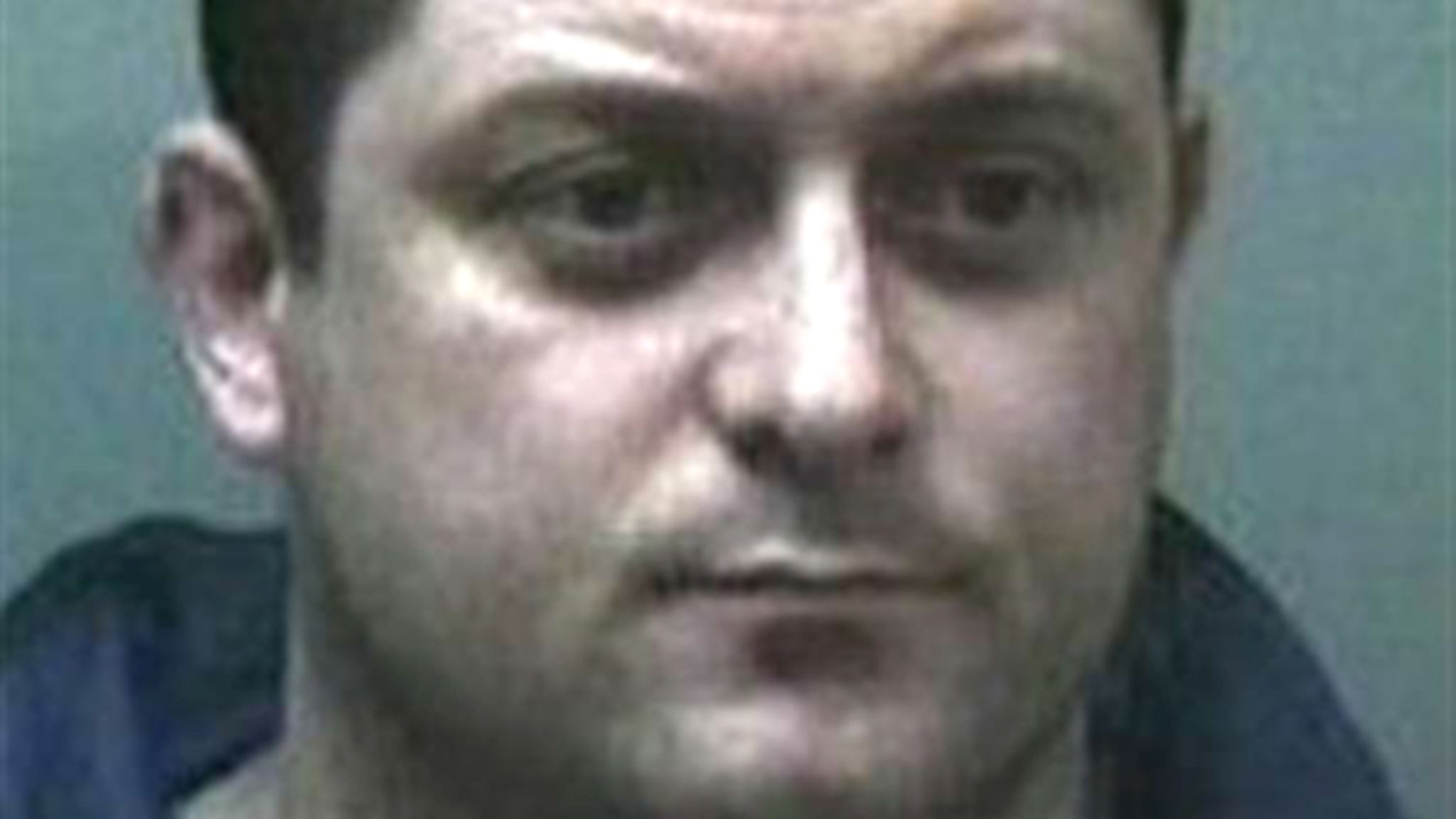
Rusha was initially released from prison in June 2024, after serving the minimum term, but was recalled later that year for breaching licence conditions. However, after a recent private parole hearing, the board concluded that his continued imprisonment was no longer necessary to protect the public.
The Parole Board’s statement highlighted that although not all of Rusha’s testimony was fully convincing, he demonstrated “substantial progress” during his time in custody. The panel therefore decided to release him under strict licence conditions, balancing public safety with his rehabilitation.
Ongoing Fallout and Wider Impact
The repercussions of the Securitas heist continue to ripple through the UK criminal landscape. In 2023, three men were convicted of plotting to murder Paul Allen, who survived a brutal shooting in 2019 that left him paralysed from the chest down. This violent episode underscores the dangerous and volatile nature of those connected to the heist.
The case remains a stark reminder of the risks faced by cash depot workers and law enforcement, as well as the ongoing challenges in recovering stolen assets. With over £30 million still missing, police investigations continue, keeping the Securitas robbery on the radar of UK authorities.
What This Means for Justice and Public Safety
The Parole Board’s decision to release Lea Rusha under stringent conditions reflects a complex balance between rehabilitation and public protection. While the severity of the original crime cannot be understated, the board’s assessment indicates confidence in Rusha’s progress toward reintegration.
For the public and those directly affected by the heist, this development may evoke mixed feelings—relief at the progress of justice paired with ongoing concern over unresolved aspects of the case, particularly the missing millions and related violent reprisals.
As the investigation continues and parole conditions take effect, the Securitas robbery remains a defining chapter in the history of British crime, illustrating both the audacity of criminal enterprises and the persistent efforts of the justice system to respond effectively.
The full details of Rusha’s parole conditions have not been publicly disclosed, but the case will undoubtedly remain under close observation by law enforcement, victims, and the wider community.