

Metro Bank has initiated talks to merge with Aldermore Bank, a prominent British challenger bank currently on the market following a costly motor finance mis-selling controversy. This potential £2 billion deal signals a significant shift in the UK banking landscape as challenger banks seek consolidation to strengthen their competitive edge against established giants.
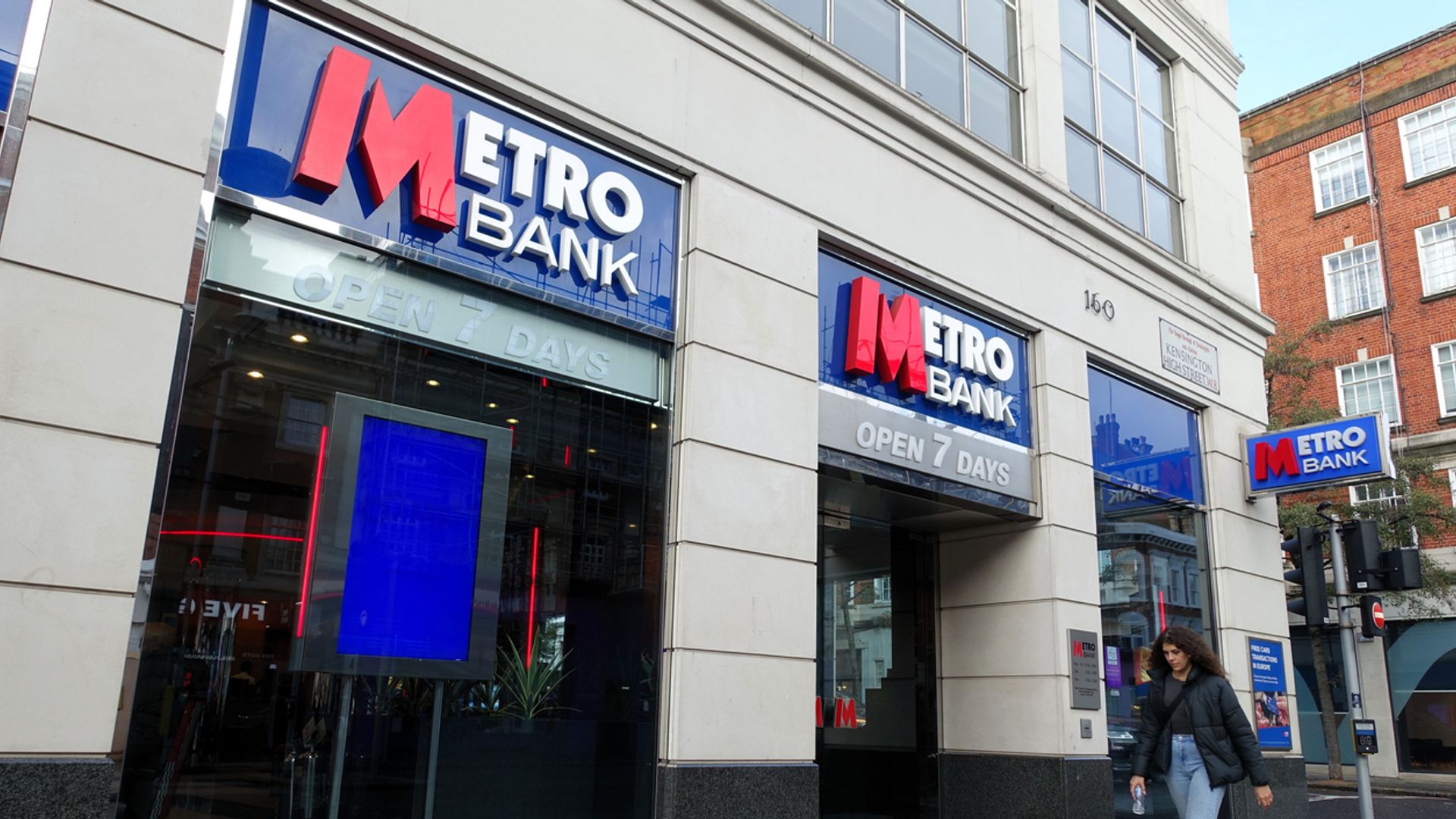
Details of the Proposed Merger
Metro Bank, known for its retail banking innovations and customer-centric approach, is actively exploring the acquisition of Aldermore, which has recently attracted attention due to its involvement in a high-profile motor finance mis-selling scandal. Aldermore’s challenges have prompted its owners to put the bank up for sale, opening an opportunity for strategic alliances.
The merger talks represent a strategic move by Metro Bank to expand its market share and diversify its portfolio. Aldermore, with a strong foothold in specialist lending sectors such as asset finance and buy-to-let mortgages, complements Metro Bank’s retail banking focus. By combining forces, the merged entity aims to leverage economies of scale, enhance product offerings, and improve financial resilience amid a competitive banking environment.
While the exact terms of the proposed deal remain undisclosed, sources close to the negotiations suggest the valuation hovers around £2 billion. Both banks are conducting detailed due diligence to assess operational synergies and regulatory implications before finalizing any agreement.
Background: Aldermore’s Motor Finance Controversy
Aldermore’s decision to enter the sale market follows a turbulent period marked by its involvement in a motor finance mis-selling scandal that has shaken confidence in the bank. This controversy arose after regulatory investigations revealed that some customers were sold motor finance products under questionable practices, leading to calls for redress and tighter oversight.
The scandal has not only affected Aldermore’s reputation but also raised questions about compliance and risk management within challenger banks more broadly. As a result, the bank’s parent company opted to explore a sale to stabilize operations and reassure stakeholders.
Despite these challenges, Aldermore remains a significant player in the UK’s specialist lending market, with a strong customer base and promising growth prospects, especially in sectors less dominated by traditional banks.
Why This Merger Matters for UK Banking
The potential merger between Metro Bank and Aldermore carries broader implications for the UK banking sector, particularly among challenger banks striving to disrupt the dominance of established institutions like Barclays, HSBC, and Lloyds.
Challenger banks have traditionally operated with leaner structures, focusing on niche markets and digital innovation to attract customers. However, rising regulatory costs, increased competition, and economic uncertainties have pressured these smaller banks to seek consolidation as a survival strategy.
By joining forces, Metro Bank and Aldermore could create a more formidable challenger institution capable of competing across multiple financial services areas, from retail banking to specialist lending. This could accelerate innovation, drive better customer experiences, and increase access to credit in underserved markets.
The merger also signals a maturing sector where scale and operational efficiency become critical to long-term success. In the face of economic headwinds and evolving consumer expectations, a larger, diversified institution may better navigate future challenges.
Looking Ahead: What to Expect Next
As talks progress, regulators will closely scrutinize the merger’s impact on competition, consumer protection, and financial stability. Both banks must demonstrate that their union will benefit customers without reducing market choice or increasing risks.
If approved, the merger could set a precedent for further consolidation among challenger banks, reshaping the UK banking landscape over the coming years. Stakeholders—including customers, investors, and employees—will watch developments carefully to understand how this strategic move affects their interests.
For Metro Bank, successfully integrating Aldermore could mark a pivotal step in its growth strategy, positioning it as a leading challenger bank with expanded capabilities and a stronger market presence.
Meanwhile, Aldermore’s sale represents an opportunity to recover from recent setbacks and rebuild its brand within a larger, more stable organization.
Conclusion: A Strategic Merger Amidst Industry Transformation
The proposed £2 billion merger between Metro Bank and Aldermore underscores the dynamic changes transforming the UK’s banking sector. Faced with regulatory pressures and fierce competition, challenger banks are increasingly turning to consolidation as a path to sustainability and growth.
This potential alliance not only addresses Aldermore’s recent challenges but also positions Metro Bank to broaden its market reach and service offerings. As the deal unfolds, it will be crucial to monitor regulatory responses and the operational integration process to gauge its impact on the broader financial ecosystem.
Ultimately, this merger reflects the ongoing evolution of banking in the UK — where innovation, scale, and resilience will determine which institutions thrive in a rapidly changing market.