A migrant dinghy has been detected heading towards the United Kingdom after enduring a perilous journey of at least 23 hours at sea. This latest crossing underscores ongoing challenges surrounding migration and maritime safety in the region.
The Journey at Sea: What We Know So Far
The small vessel, commonly referred to as a dinghy, set out across the often treacherous waters separating continental Europe from the UK. Spending nearly a full day—over 23 hours—at sea, the migrants onboard faced considerable risks including exposure to harsh weather conditions, hypothermia, and the dangers posed by overcrowded, unstable boats.
Authorities monitoring migration routes detected the dinghy as it approached UK territorial waters. These crossings have become increasingly frequent in recent years, driven by a combination of factors such as conflict, economic hardship, and stricter border controls elsewhere.
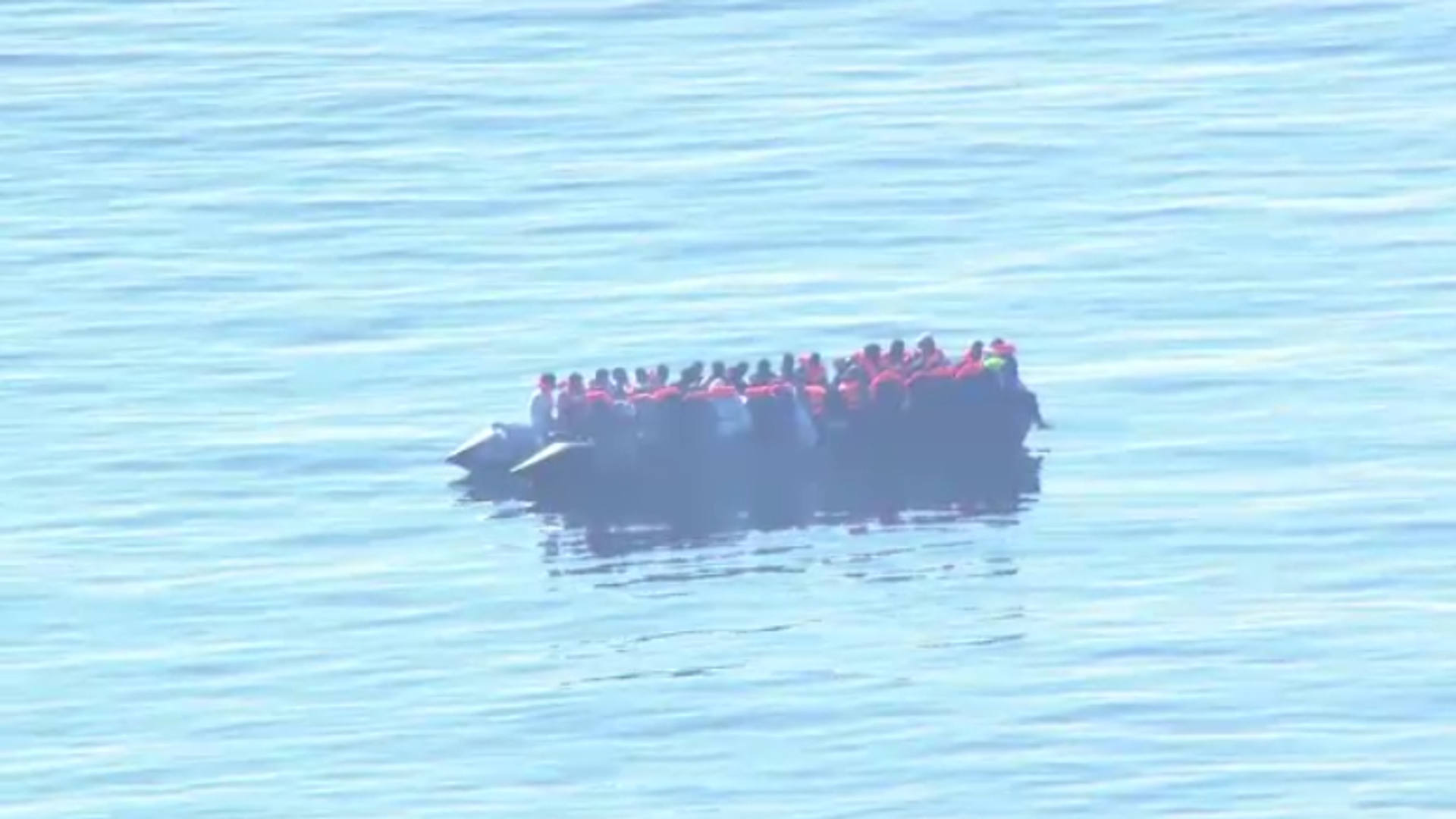
While details about the specific number of migrants onboard or their nationalities have not yet been released, such journeys typically involve vulnerable individuals seeking safety or better opportunities. The length of time spent at sea reflects the extreme lengths many are willing to undertake despite the significant dangers.
Why This Crossing Matters
This incident highlights ongoing humanitarian and political issues surrounding migration in the UK and Europe. Migrant crossings via small boats have surged, putting pressure on border enforcement, search and rescue operations, and asylum systems.
The UK government has faced criticism for its handling of these crossings, with debates focusing on how to balance border security with humanitarian obligations. The frequent use of dinghies and other small vessels demonstrates the risks migrants accept when legal pathways are limited or inaccessible.
Additionally, the prolonged time at sea raises concerns about the adequacy of maritime rescue resources and coordination between agencies. Ensuring the safety of those attempting these crossings remains a critical priority for authorities on both sides of the Channel.
What Comes Next: Response and Implications
Upon reaching UK waters, the dinghy and its occupants will likely be intercepted by border officials or rescue services to provide immediate assistance and process their claims. Medical attention and shelter are typically offered to migrants arriving after such risky journeys.
This event may intensify discussions on migration policy reforms, including potential changes to asylum procedures, border patrol methods, and international cooperation aimed at addressing root causes of migration. The UK government continues to explore strategies to deter dangerous crossings while fulfilling international obligations to protect refugees.
For communities and policymakers alike, the arrival of migrant vessels like this dinghy serves as a stark reminder of the human stories behind migration statistics and the ongoing challenges in managing safe, orderly migration routes.
Looking Ahead: The Broader Context
The situation with migrant dinghies crossing to the UK is part of a wider global migration trend fueled by conflict, economic disparity, and environmental pressures. As these journeys persist, the need for comprehensive, compassionate, and coordinated responses grows ever more urgent.
Enhancing search and rescue capabilities, expanding legal pathways for migration, and addressing the root causes in migrants’ home countries will be essential components of future strategies. Meanwhile, continued monitoring and timely action remain crucial to safeguard lives amid these hazardous sea crossings.
Full details about this specific dinghy crossing remain limited at this time, but the incident contributes to the ongoing narrative of migration and maritime safety challenges facing the UK and Europe.