

The recent London property exhibition showcasing Israeli real estate has sparked significant backlash after organisers advertised properties located in settlements deemed illegal under international law. Despite issuing an apology, campaigners argue the response falls short of addressing the profound implications of promoting such contentious developments.
What Happened at the London Property Show?
The event in question featured a range of Israeli properties for potential buyers, including units situated within settlements in the occupied West Bank. These settlements have been widely condemned by the international community as violations of international law, specifically contravening the Fourth Geneva Convention, which prohibits an occupying power from transferring its civilian population into the territory it occupies.
Campaign groups dedicated to Palestinian rights and international law swiftly condemned the presence of these settlement advertisements at a high-profile event in London, a global financial hub. They argued that by showcasing these properties, the organisers inadvertently legitimised and normalised the expansion of settlements, undermining efforts towards a peaceful resolution of the Israeli-Palestinian conflict.
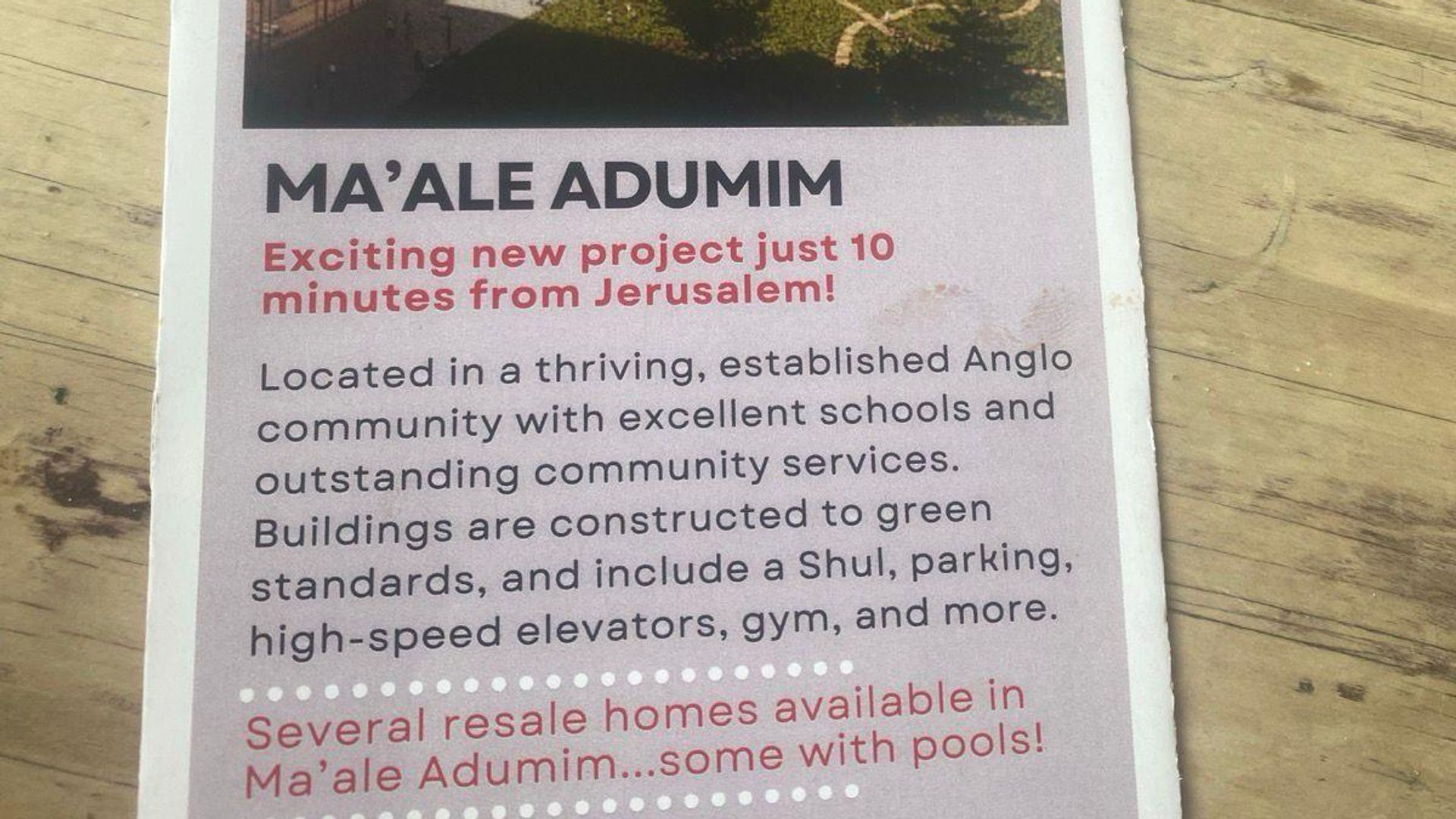
Following mounting criticism, the organisers issued an apology, acknowledging the controversy surrounding the listings. However, the apology did not explicitly commit to removing settlement listings or preventing their future inclusion. This omission prompted further outcry from activists, who view such properties as illegal and a barrier to peace.
Why the Apology is Being Criticised
Campaigners contend that the apology was insufficient and lacked concrete measures to rectify the situation. They highlight that an apology without actionable steps fails to hold the organisers accountable for promoting properties in disputed territories. Furthermore, critics emphasise the broader context: these settlements contribute to the displacement of Palestinian communities and complicate the prospects for a two-state solution.
Legal experts and human rights advocates stress that advertising these properties not only breaches international norms but also potentially violates UK regulations on trade and ethical business practices. The event’s failure to exclude illegal settlement listings raises questions about due diligence and ethical standards in international property exhibitions.
The controversy also reignites debates over the role of commercial enterprises in geopolitical conflicts. Critics argue that platforms enabling the sale of such properties effectively become complicit in sustaining occupation policies that draw global condemnation.
What This Means for Future Property Exhibitions
The backlash to this incident underscores the increasing scrutiny on real estate events that intersect with contested political territories. It signals heightened expectations for organisers to vet listings thoroughly and ensure compliance with international law. Stakeholders in the property market may face growing pressure to avoid facilitating transactions that could exacerbate conflicts or violate human rights.
Moreover, this episode highlights the power of advocacy groups and public opinion in holding commercial entities accountable. Their vigilance pushes for greater transparency and ethical responsibility, potentially influencing regulations governing property sales linked to disputed regions.
For potential buyers, this controversy serves as a cautionary tale, emphasizing the importance of understanding the legal and ethical dimensions of purchasing property in politically sensitive areas. It also raises awareness about how real estate transactions can have far-reaching impacts beyond mere investment decisions.
Looking Ahead: The Need for Clearer Guidelines and Accountability
Moving forward, organisers of international property shows must establish clearer guidelines to exclude listings from illegal settlements and similar contentious areas. Transparent policies and cooperation with legal experts can help prevent future controversies and uphold ethical standards.
Ultimately, this incident reflects the complex interplay between commerce, law, and politics in the Israeli-Palestinian context. It serves as a reminder that commercial activities do not exist in a vacuum and must be approached with sensitivity to their broader implications.
As debates continue, the international community will watch closely to see whether organisers take meaningful steps to address these concerns or risk further criticism for enabling the promotion of illegal settlements through property exhibitions.