

The UK government has sharply criticized Elon Musk’s social media platform, X, for its refusal to engage in a pivotal discussion addressing online attacks against a vital British charity. Culture Secretary Lisa Nandy branded X’s absence at a recent summit as “disgusting,” highlighting growing frustrations over the platform’s role in social media accountability and safety. Her remarks come alongside firm commitments to expand legislation governing the internet’s rapidly evolving landscape.
What Sparked the Controversy: X’s No-Show at Key Charity Summit
The controversy centers on a UK government-organized meeting focused on the Royal National Lifeboat Institution (RNLI), a frontline lifeboat charity that recently faced a surge of hostile social media attacks. The RNLI had instructed its volunteers to avoid wearing branded clothing in public due to threats and harassment linked to its operations rescuing migrants crossing the English Channel.
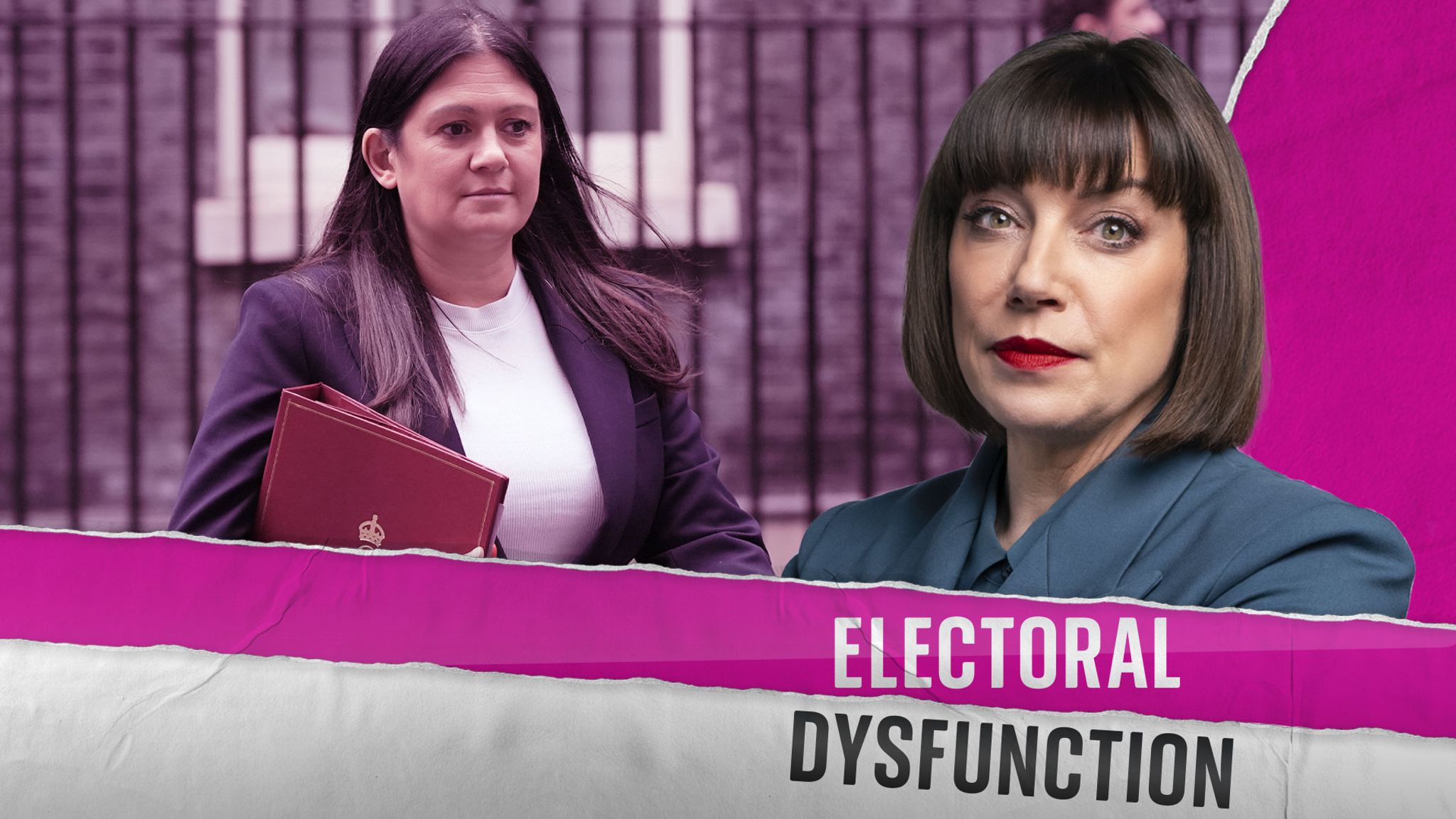
Despite invitations, Elon Musk, the owner of X, declined to send any representatives to the summit—an omission that did not go unnoticed. Speaking on the Electoral Dysfunction podcast and to Sky News political editor Beth Rigby, Nandy condemned this silence. “It is disgusting that they didn’t bother to reply or show up,” she said. According to Nandy, this absence reflects a broader failure by X to acknowledge its “moral and social set of responsibilities” within British society.
In contrast, she praised other major platforms like Meta, TikTok, and YouTube for participating, noting that while some are doing better than others, at least they are engaging voluntarily to address harmful content.

Why This Matters: Government Demands More Control Over Tech Giants
Nandy’s sharp words about X’s no-show underscore a wider governmental frustration with the tech sector’s handling of online safety and misinformation. The UK government recently took the unprecedented step of banning children from accessing social media platforms, a move Nandy described as a “damning indictment” of collective failure to protect young users.
“If we were taking children out of town centres because we couldn’t keep them safe, there’d be a huge national debate,” she explained. Yet, despite this grave concern, responsibility for child safety has long been outsourced to private companies like Musk’s X—something she insists must change.
“We’ve outsourced child safety effectively to the likes of Elon Musk for long enough. The government needs to step up, and we’re going to,” Nandy declared, signaling a new era of more proactive government intervention in the tech space.
Legislative Action to Keep Pace with Technology
Looking ahead, Nandy promised ongoing legislative measures to keep pace with the fast-changing technology landscape. “There’s no question we will need more laws,” she said. “Government has to be quicker, more interventionist, and update the law regularly because tech is evolving so rapidly.”
This approach signals a shift from reactive to anticipatory policymaking, aimed at ensuring that online platforms cannot shirk their societal duties without consequences.

What Comes Next: A More Regulated Digital Future
The government’s stance sets the stage for intensified scrutiny on social media companies, especially those like X that resist collaborative efforts to curb online harms. Musk’s platform’s refusal to engage could lead to increased pressure for stricter regulations or even sanctions under forthcoming digital safety laws.
For charities like the RNLI, which operate at the intersection of humanitarian work and public scrutiny, government backing in combating online harassment is critical. Ensuring their volunteers can work without fear is a priority that extends beyond charity to national safety and social cohesion.
Moreover, Nandy’s comments reflect a broader recognition that the private sector can no longer be the sole arbiter of online safety. With technologies evolving faster than legislation, governments worldwide face mounting pressure to protect vulnerable users and hold platforms accountable.
Takeaway: Toward Accountability and Safer Online Spaces
Elon Musk’s X faces growing criticism for its dismissive stance on UK efforts to tackle online abuse, particularly against frontline charities. The government’s condemnation and commitment to stronger, more frequent legal updates mark a turning point in digital governance. As technology continues to transform communication, the demand for responsible platform behavior and robust regulatory frameworks intensifies.
This episode signals a future where governments will no longer tolerate tech companies shirking social responsibilities. For users, charities, and policymakers alike, the message is clear: the era of unchecked social media power is ending, ushering in a new chapter of accountability and protection in the digital age.