

As England faces escalating water shortages, the government has initiated a new hosepipe ban to conserve dwindling water supplies. This move arrives amid widespread public concern over climate change and its impacts. However, the deputy leader of Reform UK has sparked debate by urging the public to abandon pessimism about global warming, suggesting instead that it could benefit the English wine industry.
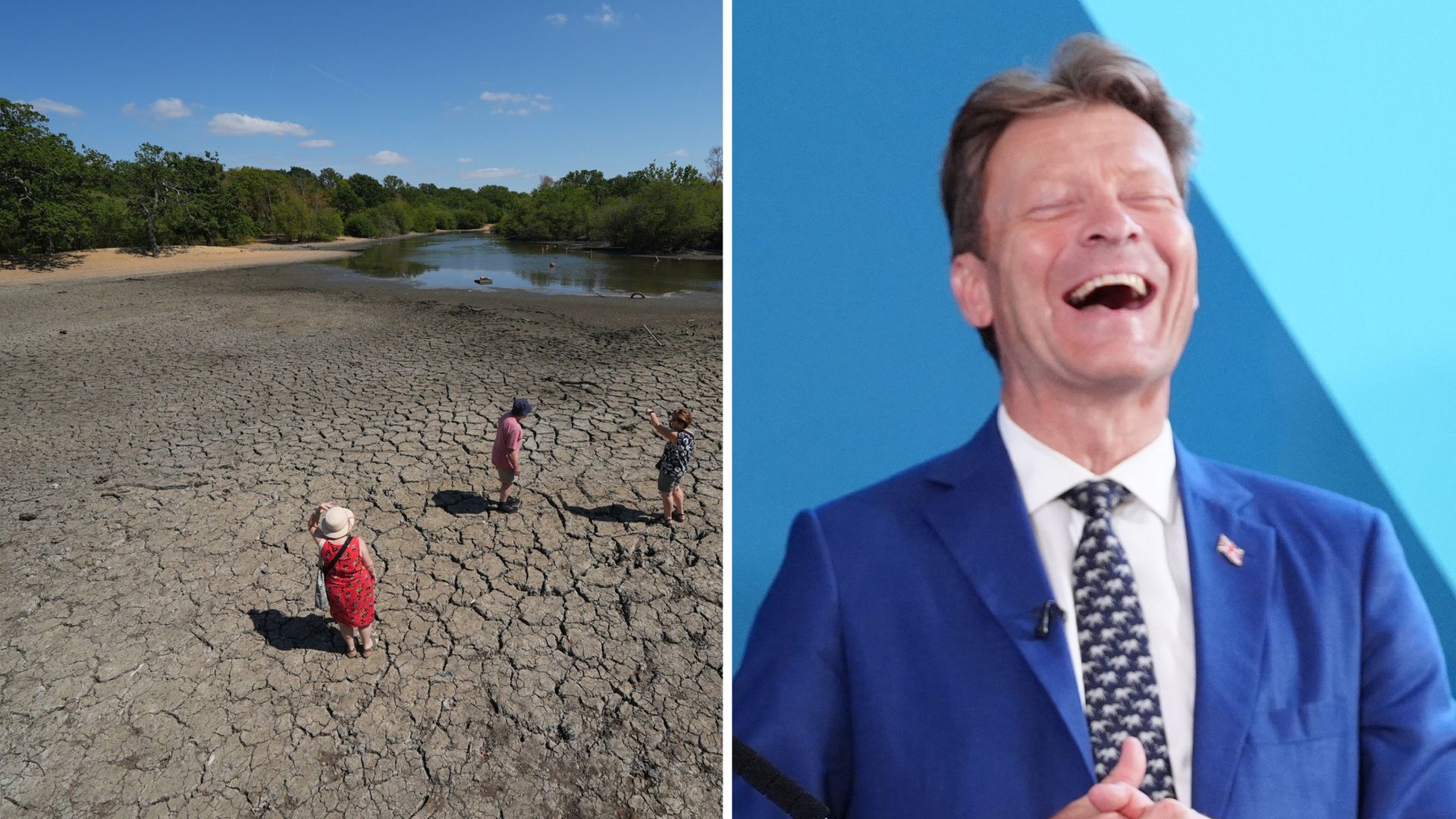
What the Hosepipe Ban Means for England
From this week, millions of households across England are prohibited from using hosepipes for activities such as watering gardens, washing cars, or filling paddling pools. The Environment Agency and water companies have implemented these restrictions to address severe drought conditions affecting large parts of the country.
Water levels in rivers and reservoirs have dropped to historic lows due to a combination of reduced rainfall and increased consumption during a prolonged dry spell. Experts warn that without significant water-saving measures, the region could face long-term shortages impacting agriculture, ecosystems, and daily life.
The ban applies to all non-essential outdoor water use, and water companies have pledged to enforce penalties for violations. Consumers are being urged to adapt their behavior quickly to avoid further strain on the water infrastructure.
Reform UK Deputy’s Controversial Remarks on Climate Change
In a surprising statement amid the crisis, the deputy leader of Reform UK dismissed the prevailing “doom and gloom” narrative surrounding global warming. He argued that rising temperatures could have positive outcomes, particularly for England’s emerging wine industry.
“People should stop being so negative about climate change,” he said. “Warmer weather opens up new opportunities for English vineyards to flourish and produce quality wines that were previously unimaginable.”
This perspective has drawn sharp criticism from environmentalists and climate scientists, who emphasize that any localized benefits do not outweigh the widespread risks climate change poses. Increased heat can exacerbate droughts, threaten biodiversity, and strain natural resources, making water restrictions like the hosepipe ban necessary.
Why This Matters: Balancing Optimism and Urgency
The deputy’s comments highlight a broader debate about how societies interpret and respond to climate change. While some advocate for optimism about adaptation and new economic possibilities, experts caution that this should not diminish the urgency of reducing emissions and protecting resources.
England’s wine industry has indeed grown in recent years, credited partly to warmer summers that enable grape cultivation in previously unsuitable regions. However, this development coexists with increasing environmental challenges such as droughts and heatwaves that threaten agriculture and water availability.
Water conservation measures like the hosepipe ban are crucial to managing these challenges. They serve as immediate responses to protect essential water supplies while longer-term strategies address climate resilience and sustainable resource management.
Looking Ahead: Navigating Climate Change and Resource Management
England’s new hosepipe ban underscores the tangible impacts of climate patterns shifting and the urgent need for responsible water use. At the same time, debates sparked by political figures about the silver linings of climate change remind us that responses must be nuanced and based on comprehensive scientific understanding.
As the nation adapts to these evolving realities, balancing economic opportunities like the growth of English viticulture with environmental stewardship remains a critical challenge. Public awareness, policy enforcement, and innovation will all play vital roles in securing a sustainable future amid changing climate conditions.
In the meantime, residents are encouraged to comply with the hosepipe ban and embrace water-saving habits, recognizing that individual actions contribute to broader efforts to safeguard resources for generations to come.