Notting Hill Carnival, renowned as Europe’s largest street festival, has once again transformed west London into a vibrant hub of culture, music, and celebration. Despite the scale and the challenges inherent to such a massive event, organizers and authorities describe this year’s carnival as overwhelmingly positive—even in the wake of 169 arrests during the festivities.
What Happened During This Year’s Carnival?
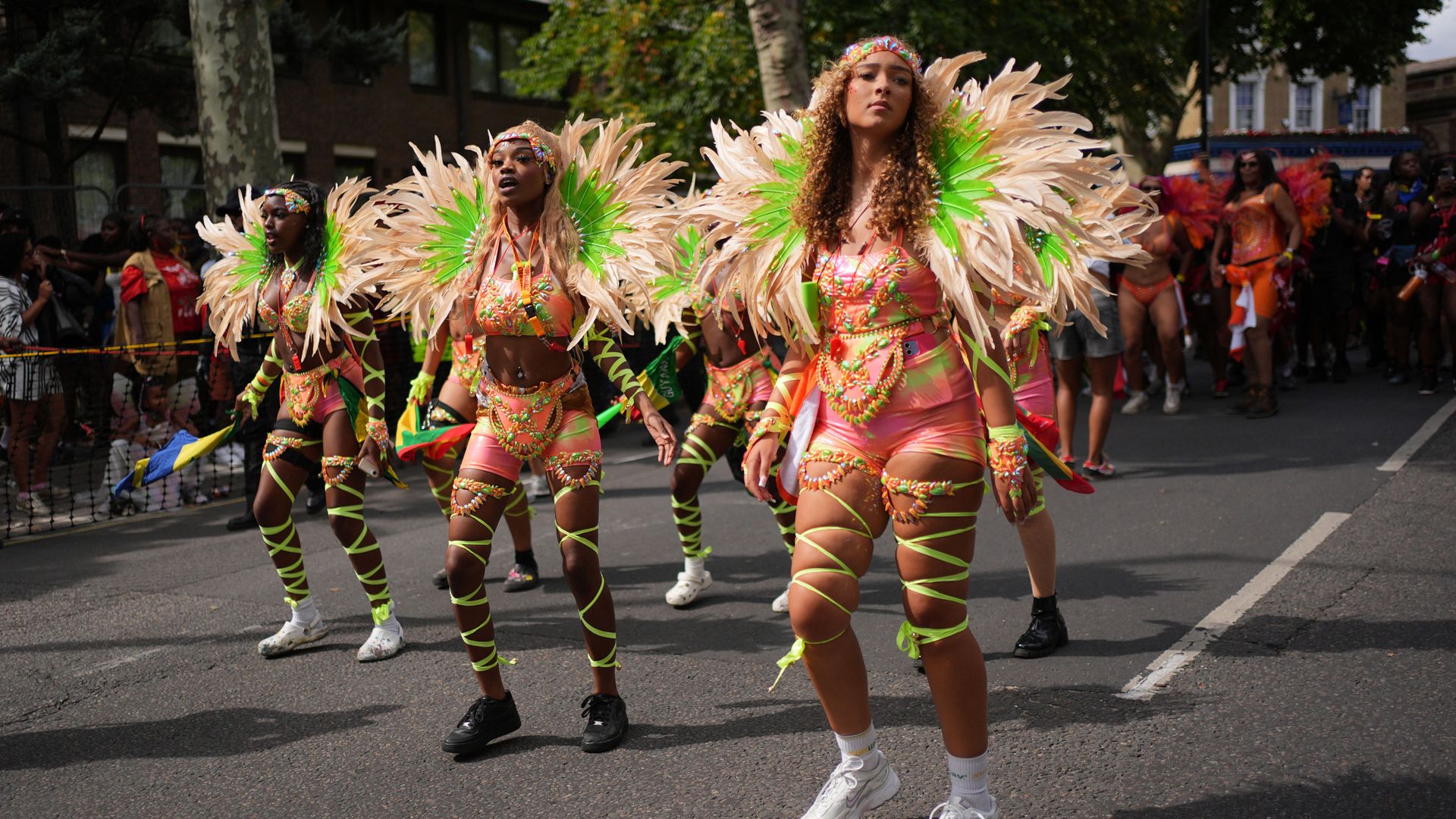
Held annually, the Notting Hill Carnival attracts millions of visitors from across the UK and around the world. Spanning several days, the event showcases Caribbean music, dance, cuisine, and colorful parades, drawing communities together in a jubilant display of heritage and unity.
In this year’s celebration, west London streets brimmed with revelers eager to experience the electric atmosphere. However, the carnival’s immense popularity also brings logistical and security challenges. Authorities reported a total of 169 arrests related to various offenses during the event. Despite this figure, officials emphasize that the vast majority of attendees enjoyed a safe and festive environment.
The arrests ranged from minor infractions to more serious offenses, highlighting the complexities of managing such a large-scale public gathering. Police presence was notably increased to maintain order, assist visitors, and address any incidents swiftly.
Why the Carnival Remains a Cultural Cornerstone
Since its inception in the late 1960s, the Notting Hill Carnival has evolved into more than just a street party. It stands as a powerful symbol of Caribbean culture and resilience within the UK’s diverse society. The event fosters community pride, celebrates multiculturalism, and provides a platform for artistic expression.
For many attendees, the carnival offers a rare opportunity to connect with cultural roots through music genres like calypso, soca, and reggae, as well as through traditional costumes and culinary delights. It also serves as a major economic driver for local businesses, from food vendors to artisans selling handcrafted goods.
Despite occasional security concerns, the carnival’s success in promoting cultural awareness and community cohesion remains unmatched. Organizers and community leaders consistently work with law enforcement to improve safety measures while preserving the event’s inclusive spirit.
What This Means for Future Carnivals
The reported arrests and security challenges underscore the importance of continued collaboration between organizers, police, and community stakeholders. Each year, lessons learned help refine crowd management strategies, emergency response plans, and public communication efforts.
Looking ahead, the focus remains on balancing vibrant celebration with safety and accessibility. Authorities are investing in enhanced surveillance, increased officer deployment, and community outreach programs to mitigate risks without dampening the carnival’s festive atmosphere.
Moreover, the event’s overwhelmingly positive reception highlights its vital role in London’s cultural calendar. It demonstrates that large-scale multicultural events can thrive when managed thoughtfully, promoting unity and joy even amid complex urban dynamics.
Closing Takeaway
The 2024 Notting Hill Carnival confirmed its status as a cornerstone of cultural celebration in Europe, drawing millions and showcasing the richness of Caribbean heritage. While 169 arrests remind us of the challenges in managing such a massive event, the overall experience was hailed as overwhelmingly positive by organizers and attendees alike.
As the carnival continues to grow, its legacy as a symbol of community, creativity, and resilience endures. Future editions will undoubtedly build on this success, striving to create safe, inclusive, and unforgettable celebrations that honor both tradition and diversity.