

Nottingham has taken a bold step in public safety by introducing one of the UK’s first balaclava bans. This new regulation aims to curb intimidation and enhance community security by restricting the wearing of face coverings like balaclavas in public spaces.
What the New Ban Entails
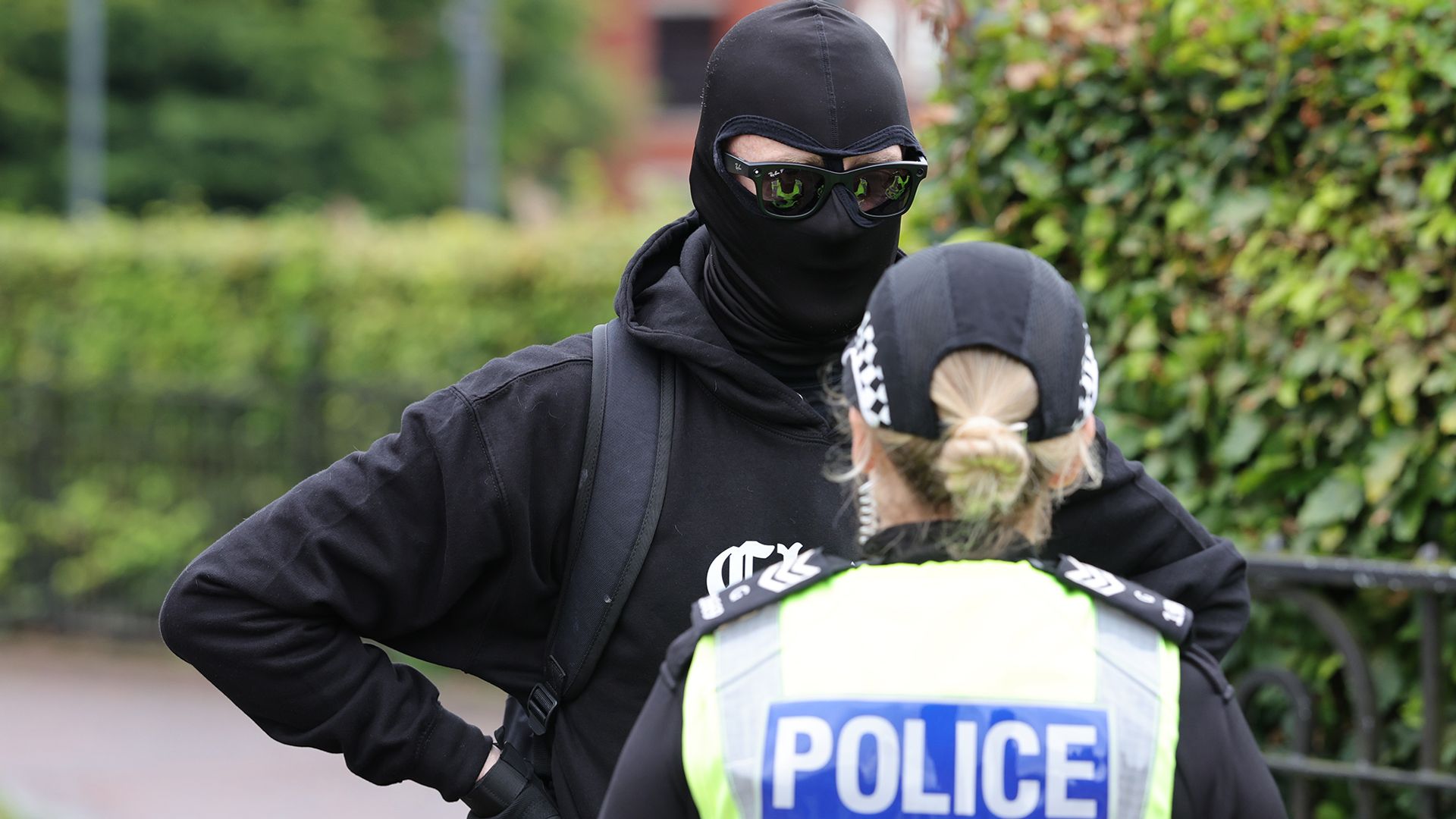
Under recently granted powers, Nottingham city authorities have instituted a ban on balaclavas and similar face coverings. This measure specifically targets individuals who use these garments to conceal their identities during acts of intimidation or anti-social behavior. The ban is designed to deter such conduct by making it more difficult to hide behind masks in public areas.
Local law enforcement now has the authority to request removal of face coverings when they suspect they are being used to intimidate or threaten others. Failure to comply could lead to penalties or further legal action. This approach aligns with a growing trend among UK cities to address rising concerns about public safety and disorder.
Why Nottingham is Leading the Way
Nottingham’s decision to implement this ban reflects its proactive stance on tackling crime and community safety challenges. The city has faced incidents where balaclavas were worn to instill fear, making residents feel unsafe in everyday environments. By focusing on visible deterrents, authorities hope to restore public confidence and reduce such incidents.
This initiative also connects to wider government efforts to empower local councils and police forces with new tools aimed at preventing anti-social behavior and criminal intimidation. Nottingham’s early adoption of the ban makes it a test case for how effective such measures can be in urban settings.
Implications for Residents and Visitors
For Nottingham residents and visitors, the balaclava ban signals a shift towards stricter control over public order offenses. While face coverings like masks have been common during certain periods, such as during the COVID-19 pandemic, this ban focuses on those used with the intent to intimidate rather than for health reasons.
The policy balances the need for security with respect for personal freedoms by targeting only those cases where concealment is linked to threatening behavior. Community members can expect increased police presence and more rigorous enforcement of laws designed to protect them.
What This Means for Public Safety Policy
Nottingham’s balaclava ban highlights a broader shift in how UK cities address public safety challenges. By introducing specific restrictions on face coverings used to intimidate, local authorities are signaling that traditional policing methods may need to evolve alongside changes in social behaviors.
The success or challenges faced by Nottingham in enforcing this ban could inform other cities considering similar measures. It emphasizes the importance of targeted legislation that focuses on behavior rather than general restrictions, aiming to reduce crime without unnecessarily infringing on civil liberties.
Ultimately, Nottingham’s move sets a precedent for innovative approaches to maintaining order and enhancing the sense of security in urban environments.
Looking Ahead
As Nottingham enforces its balaclava ban, the city serves as a focal point for how communities can address intimidation and anti-social conduct with new legal powers. The effectiveness of this policy will depend on consistent enforcement and community cooperation.
Residents and visitors alike will be watching closely to see whether this ban leads to a noticeable reduction in public intimidation and a safer city atmosphere. Nottingham’s experience may well shape future public safety strategies across the UK.