

The UK’s oil and gas sector is intensifying calls for approval of two major North Sea developments as the public consultation period for the country’s largest undeveloped oil field draws to a close. Industry leaders emphasize the strategic importance of these projects amid growing energy demands and geopolitical uncertainties.
What’s at Stake: Key North Sea Developments Awaiting Approval
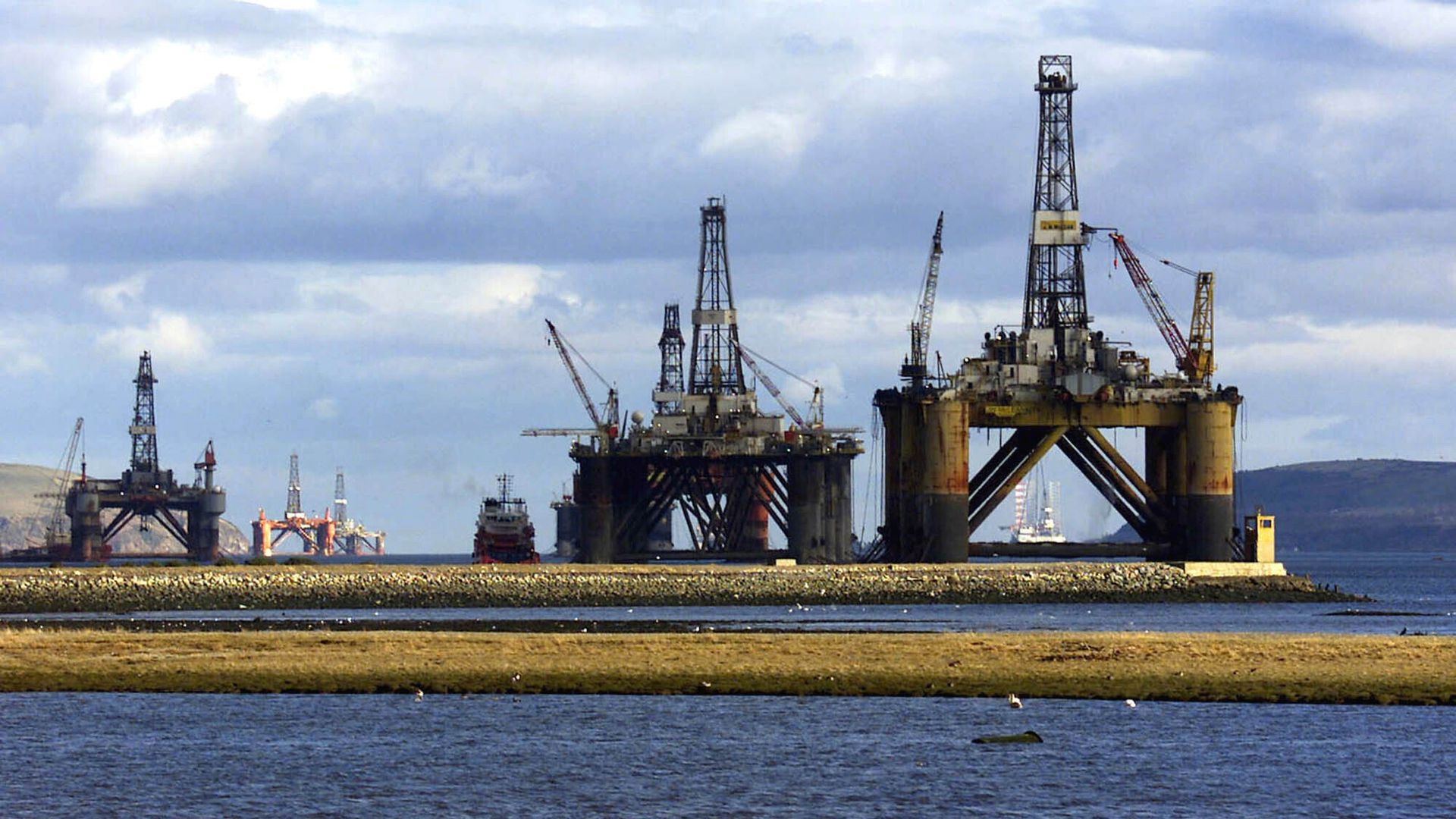
The two proposed projects reside in the North Sea, a critical hub for the UK’s oil and gas production. These developments represent some of the most significant untapped reserves in the region and are poised to boost domestic energy output substantially.
One of the projects involves the exploitation of the UK’s largest undeveloped oil field, a site that has been under scrutiny due to environmental concerns and local opposition. The consultation, which has attracted widespread public attention, aims to weigh the economic benefits against ecological impacts.
Industry advocates argue that these projects are essential to enhancing the UK’s energy security, especially in light of recent fluctuations in global oil markets and the ongoing energy crisis exacerbated by geopolitical tensions. They contend that halting or delaying these developments could undermine the country’s ability to meet its energy needs and jeopardize jobs in the sector.
Why Approval Matters: Economic and Energy Security Implications
Andy Burnham’s decision on these developments could have far-reaching consequences for the UK’s energy landscape. The oil and gas industry is a significant contributor to the national economy, supporting thousands of jobs and generating substantial tax revenues. Approving these projects could secure employment for many workers in the North Sea sector and stimulate investment in related industries.
Moreover, the projects promise to reduce the UK’s reliance on imported energy, which has become an increasing concern amid global supply chain disruptions. Domestic production provides a buffer against volatile international markets and helps stabilize energy prices for consumers.
However, environmental groups and some local stakeholders have expressed strong opposition. They warn that expanding fossil fuel extraction contradicts the UK’s climate commitments and risks damaging fragile marine ecosystems. The consultation process aims to balance these competing interests, but industry representatives stress that sustainable development is achievable through modern technology and robust regulatory frameworks.
What Comes Next: The Path Forward for UK Oil and Gas
As the consultation period closes, all eyes turn to Andy Burnham, who holds significant influence over the approval process. His decision will signal the government’s stance on balancing economic growth with environmental stewardship in the energy sector.
If approved, these projects could set a precedent for future North Sea developments and shape the trajectory of the UK’s energy policy. Conversely, rejection or further delays may prompt calls for alternative strategies to secure energy supplies, including increased imports or accelerated investment in renewable sources.
The outcome also reflects broader debates about the role of fossil fuels in the UK’s transition to net-zero emissions. While renewable energy capacity expands, oil and gas remain critical components of the current energy mix, underscoring the complexity of achieving climate goals without compromising energy reliability.
Looking Ahead: Balancing Growth, Security, and Sustainability
The oil and gas industry’s push for project approvals highlights the tension between immediate energy needs and long-term environmental objectives. As the UK navigates this crossroads, policymakers must weigh the benefits of domestic resource development against the imperative to reduce carbon emissions.
Andy Burnham’s forthcoming decision will not only influence the future of the North Sea’s oil fields but also serve as a bellwether for how the UK manages its energy transition amid global challenges. Stakeholders across sectors will be watching closely, understanding that this moment encapsulates the complex interplay between economic resilience, energy security, and environmental responsibility.