

The cycling community reels with shock and anger after the tragic death of British rider Finlay Tarling during the prestigious Volta a Portugal race. This devastating loss has ignited fierce reactions among fellow cyclists, fans, and officials, raising urgent questions about race safety and the welfare of participants in high-speed competitions.
What Happened: The Tragedy on Portuguese Roads
During the intense stages of the Volta a Portugal, one of Europe’s most challenging multi-day cycling events, Finlay Tarling tragically lost his life. The incident occurred while he was competing at high speed, a testament to the race’s demanding nature and the physical risks inherent to professional cycling.
Details surrounding the exact circumstances of the accident remain limited, but the impact on the cycling world is unmistakable. Tarling’s death marks a solemn moment not only for British cycling but for the entire international community that follows the sport.
Why the Outrage: Calls for Improved Safety Measures
The cyclists’ union expressed being “filled with anger” following Tarling’s death, highlighting long-standing concerns over rider safety in rigorous cycling competitions. Their statement reflects frustration over what many perceive as insufficient protective protocols for cyclists navigating perilous routes at breakneck speeds.
Professional cycling involves complex logistical challenges, including road closures, crowd control, and emergency response readiness. Advocates argue that current measures may fall short in fully safeguarding athletes from fatal accidents. The union’s response underscores a growing demand for comprehensive reviews of race safety standards, especially in high-profile international events like the Volta a Portugal.
Moreover, the death of a young, promising athlete like Tarling intensifies scrutiny on organizers and governing bodies to prioritize life-saving interventions and risk mitigation strategies. The union’s anger is not only a call for justice but a plea to prevent similar tragedies in the future.
The Impact on British and International Cycling
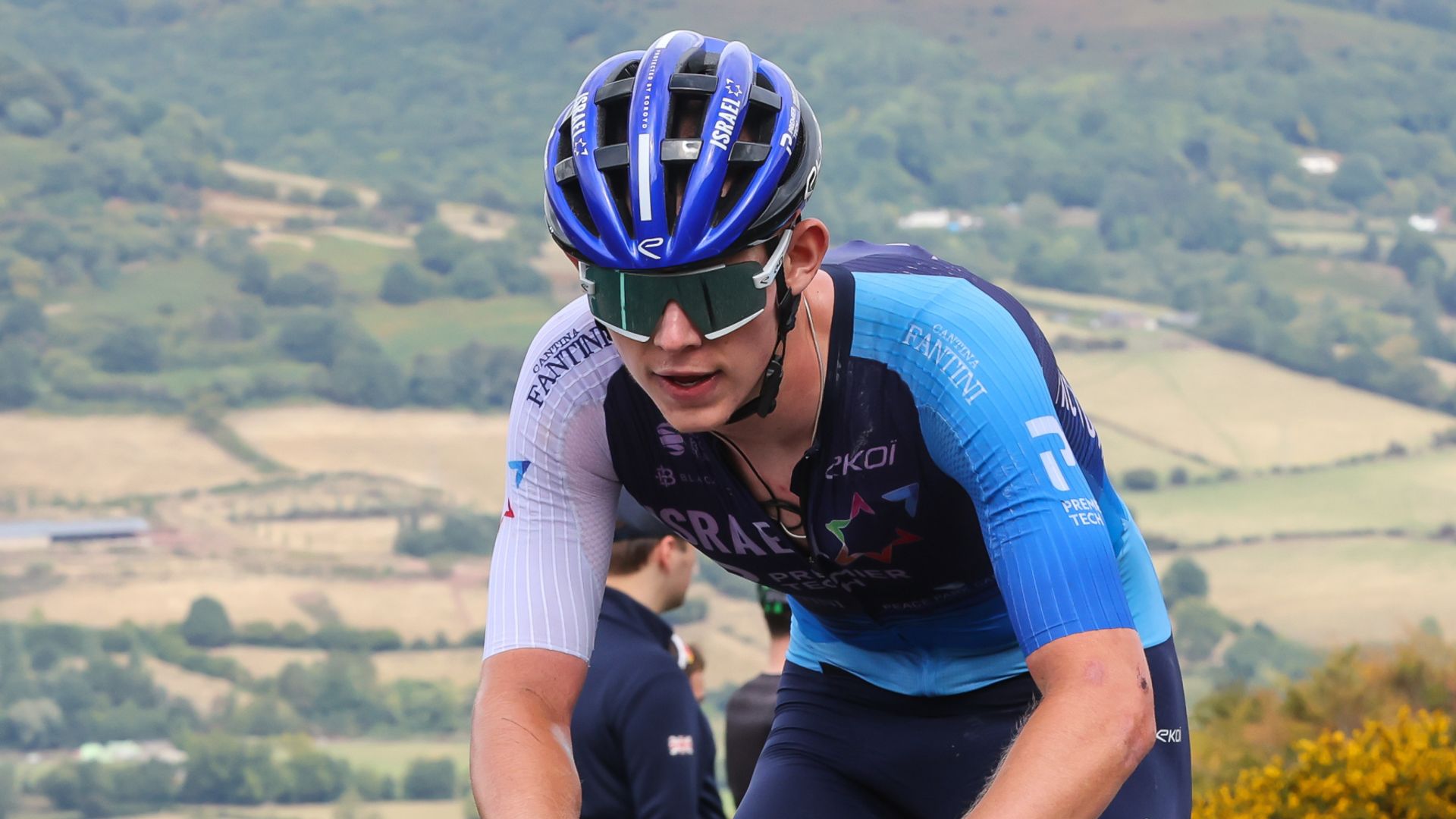
Finlay Tarling was a rising star within British cycling circles, and his passing resonates deeply with fans, teammates, and national sporting organizations. His career, marked by dedication and burgeoning talent, is abruptly and heartbreakingly cut short.
This tragedy comes at a time when cycling’s popularity continues to surge worldwide, with events like the Volta a Portugal garnering increasing viewership and participation. The incident serves as a stark reminder of the sport’s inherent dangers and the ongoing need to balance competitive excitement with athlete safety.
British cycling authorities are expected to review their support systems for athletes competing internationally, ensuring that riders receive robust preparation, monitoring, and emergency care. Additionally, international race organizers may face intensified pressure to reevaluate course designs, safety protocols, and medical response capabilities.
What This Means: A Call to Action for Cycling’s Future
The death of Finlay Tarling transcends personal tragedy; it symbolizes critical vulnerabilities in professional cycling’s current safety framework. The furious response from the cyclists’ union and the broader community demands immediate action to reassess how races protect their competitors.
In the wake of this event, stakeholders across the sport must collaborate to implement enhanced safety measures—ranging from improved route hazard assessments and speed regulations to better emergency response infrastructures.
For fans and fellow athletes alike, Tarling’s passing is a somber reminder of the risks every professional cyclist faces. It also serves as a catalyst for dialogue on how to preserve the excitement of competitive cycling while safeguarding the lives of those who dedicate themselves to the sport.
As investigations continue and racing schedules advance, the cycling world watches closely. The hope remains that this tragedy will spur meaningful reforms, ensuring that future generations of cyclists can compete with greater security and peace of mind.
Full details about the incident and any subsequent changes to race protocols have not yet been released.