

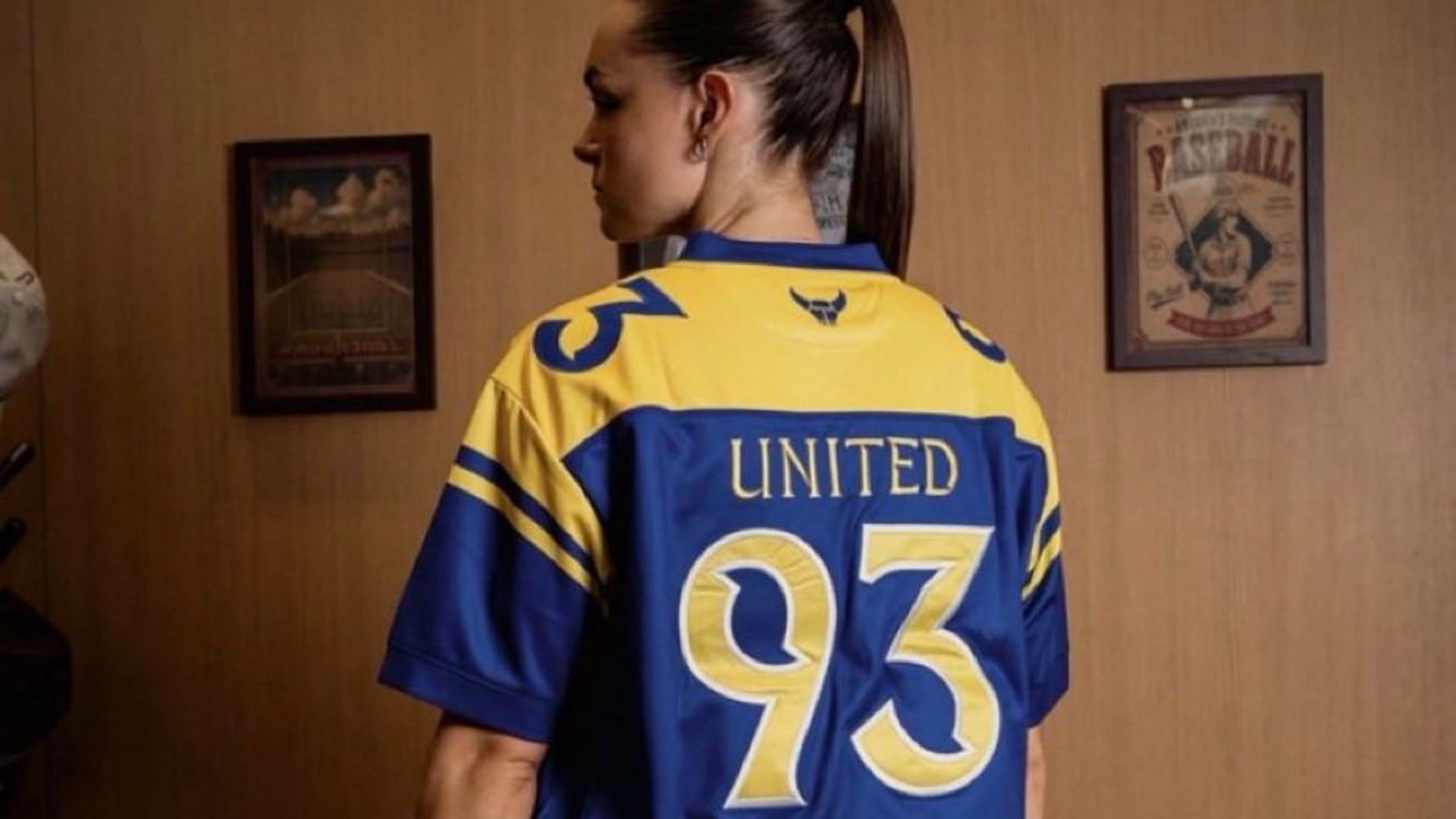
Oxford United Football Club has come under intense scrutiny and issued a formal apology following the launch of a clothing collection named ‘United 93’, released close to the solemn anniversary of the September 11, 2001, terror attacks. The timing and naming sparked immediate controversy, prompting widespread criticism from fans and the broader public.
The Controversial Launch: What Happened?
Oxford United unveiled the ‘United 93’ apparel range as part of their merchandise lineup, unaware of the sensitive connotations the name carried. The title directly references Flight 93, one of the four hijacked planes involved in the 9/11 attacks, which tragically crashed in Pennsylvania after passengers attempted to regain control. The launch coincided closely with the anniversary of this national tragedy, intensifying the public’s emotional response.
The club’s decision drew swift backlash on social media and from media outlets, accusing Oxford United of insensitivity towards the victims and their families. Critics argued that using such a name for commercial purposes trivialized a deeply painful chapter in recent history. The fact that the clothing line was released near the annual remembrance made the choice appear tone-deaf and disrespectful.
Oxford United’s Response and Apology
In the wake of the criticism, Oxford United promptly removed the ‘United 93’ range from sale. The club issued an official statement expressing regret for causing offence. They acknowledged that the name was inappropriate, especially given the timing around the 9/11 anniversary, and stressed that no harm or disrespect was intended.
The club’s leadership took responsibility for the oversight, promising to review their product naming and approval processes to prevent similar incidents. This response aimed to reassure supporters and the wider community that Oxford United values sensitivity and respect, particularly regarding traumatic historical events.
Why This Incident Matters
The controversy highlights the importance of cultural and historical awareness in branding and marketing decisions, especially for organizations with a public profile. Sporting clubs like Oxford United have diverse fan bases and global reach; their merchandise carries symbolic weight beyond simple fashion.
Using names linked to tragedies, even inadvertently, risks alienating fans and damaging reputations. This case underscores how commercial ventures must consider historical context and public sentiment rigorously. It also reflects growing scrutiny over corporate responsibility in how brands engage with sensitive topics.
For Oxford United, the episode serves as a critical lesson in balancing creativity and commercial ambition with respect and empathy. The club’s swift corrective action may help restore trust, but the incident remains a cautionary tale for sports organizations worldwide.
Looking Ahead: What This Means for Oxford United
Moving forward, Oxford United faces the task of rebuilding goodwill among their supporters and the general public. Transparency about their internal changes regarding product development will be essential. Additionally, engaging with affected communities or supporting related charitable causes could demonstrate genuine commitment to making amends.
The controversy also opens broader conversations across sports and entertainment industries about ethical marketing. Clubs must ensure their branding efforts honor collective memories and avoid exploiting sensitive historical events. Failure to do so can lead to reputational harm and loss of fan loyalty.
Ultimately, this incident at Oxford United underscores the powerful intersection between sports culture, commerce, and social responsibility. It reminds all organizations to pause and reflect before associating their brands with events that carry profound emotional significance.
In summary, Oxford United’s misstep in naming and timing reveals the critical need for sensitivity in branding decisions—especially when touching on historical tragedies. The club’s prompt apology and product withdrawal set a precedent, but the broader lesson resonates far beyond football.