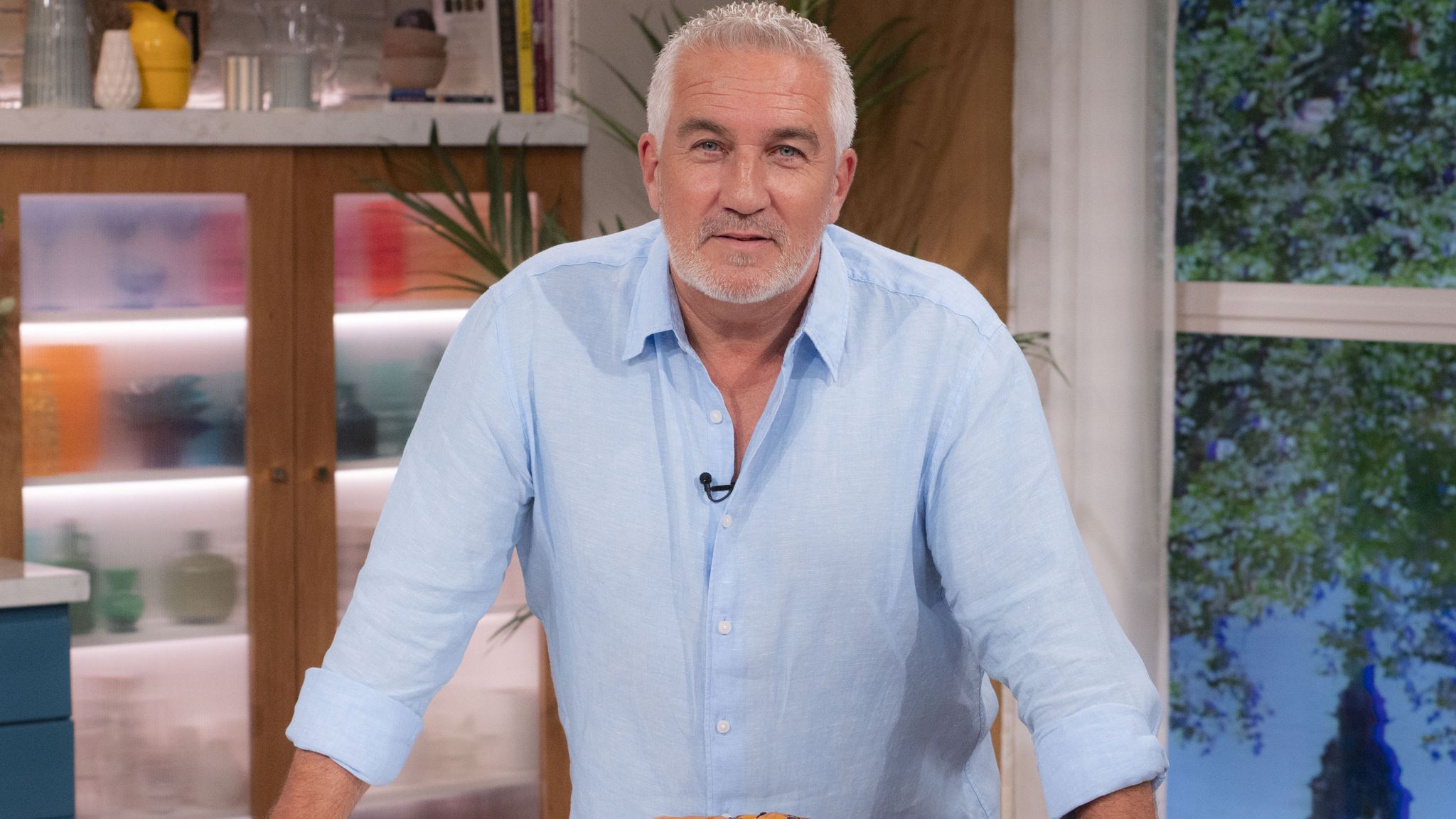
Paul Hollywood, the renowned celebrity baker and judge on The Great British Bake Off, faced court after a high-speed incident on the M25 motorway. Surrey Police reported that Hollywood’s Land Rover Defender reached speeds up to 96mph, with evidence suggesting he may have hit over 105mph during a frantic drive to get his unwell cat to veterinary care. The court was told Hollywood engaged in dangerous driving behaviors, including aggressive tailgating, putting other motorists at risk.
What Happened During the Speeding Incident?
The incident occurred on 9 January amid heavy afternoon traffic on the M25, one of the UK’s busiest motorways encircling London. PC Alexander McAlpine, the officer who monitored Hollywood’s driving, described the Land Rover repeatedly “bullying” other vehicles by tailgating at dangerously close distances—sometimes less than five metres behind other cars. This aggressive maneuver forced other drivers to move out of the way, creating a hazardous environment on a congested motorway.
According to PC McAlpine, Hollywood’s vehicle maintained speeds above 90mph for an extended duration and reached a top speed of around 105mph on the M26, a connecting motorway. The officer even matched Hollywood’s speed in his patrol car to verify the figures, emphasizing the sustained high-speed nature of the drive.
Hollywood was eventually pulled over by police. When questioned, he explained the urgency of his actions was due to his cat’s medical emergency, stating he was rushing to get the animal to a veterinary clinic for treatment. This explanation was noted in court but did not exempt him from legal consequences.
Legal Consequences and Court Proceedings
Hollywood appeared at Worthing Magistrates’ Court last week, where he pleaded guilty to speeding offenses. As a result, he received five penalty points on his driving license and was ordered to pay £530 in fines and court costs. The prosecution also initially charged him with driving without due care and attention, but Hollywood denied this charge, which was subsequently dropped.
His legal representative, Peter Csemiczky of Hickman and Rose law firm, acknowledged his client’s speeding but reiterated that Hollywood was motivated by concern for his ill pet. “Mr Hollywood accepts he was driving too fast. He was rushing home to get his unwell cat to the vet. He understands this is no excuse and apologises for his actions,” Csemiczky told the court. The statement reflected Hollywood’s acceptance of responsibility and readiness to face the consequences for his reckless driving.
Why This Incident Matters
This case highlights the critical dangers of excessive speeding and aggressive driving on UK motorways, especially during peak traffic hours. Tailgating at high speeds not only violates traffic laws but significantly increases the risk of serious accidents. The M25, infamous for congestion and complex traffic patterns, demands heightened caution from drivers.
While emergencies can create a sense of urgency, the law requires drivers to balance that urgency with safety for themselves and others on the road. Hollywood’s case serves as a reminder that even well-known public figures are accountable for adhering to road safety standards.
Moreover, such incidents often spark public debate about when, if ever, speeding can be justified in emergencies. The courts consistently emphasize that potential harm to other road users outweighs personal emergencies, reinforcing strict penalties for reckless behavior.
Looking Ahead: Road Safety and Responsibility
Paul Hollywood’s speeding conviction underscores the importance of responsible driving, regardless of circumstance or status. Motorists must recognize that high speeds and tailgating compromise everyone’s safety, particularly on heavily trafficked routes like the M25.
For Hollywood, the legal penalties and public scrutiny represent a pivotal moment to reflect on driving habits. For the broader public, this incident serves as a cautionary tale about the consequences of aggressive driving—even when motivated by genuine emergencies.
As authorities continue to monitor and enforce traffic laws rigorously, drivers are reminded to prioritize safety and patience, ensuring that urgent situations do not escalate into preventable tragedies on the road.