A tragic collision claimed the life of a 44-year-old man and forced the closure of a vital Scottish motorway for more than 15 hours, causing significant disruption for commuters and emergency responders.
What Happened on the M80?
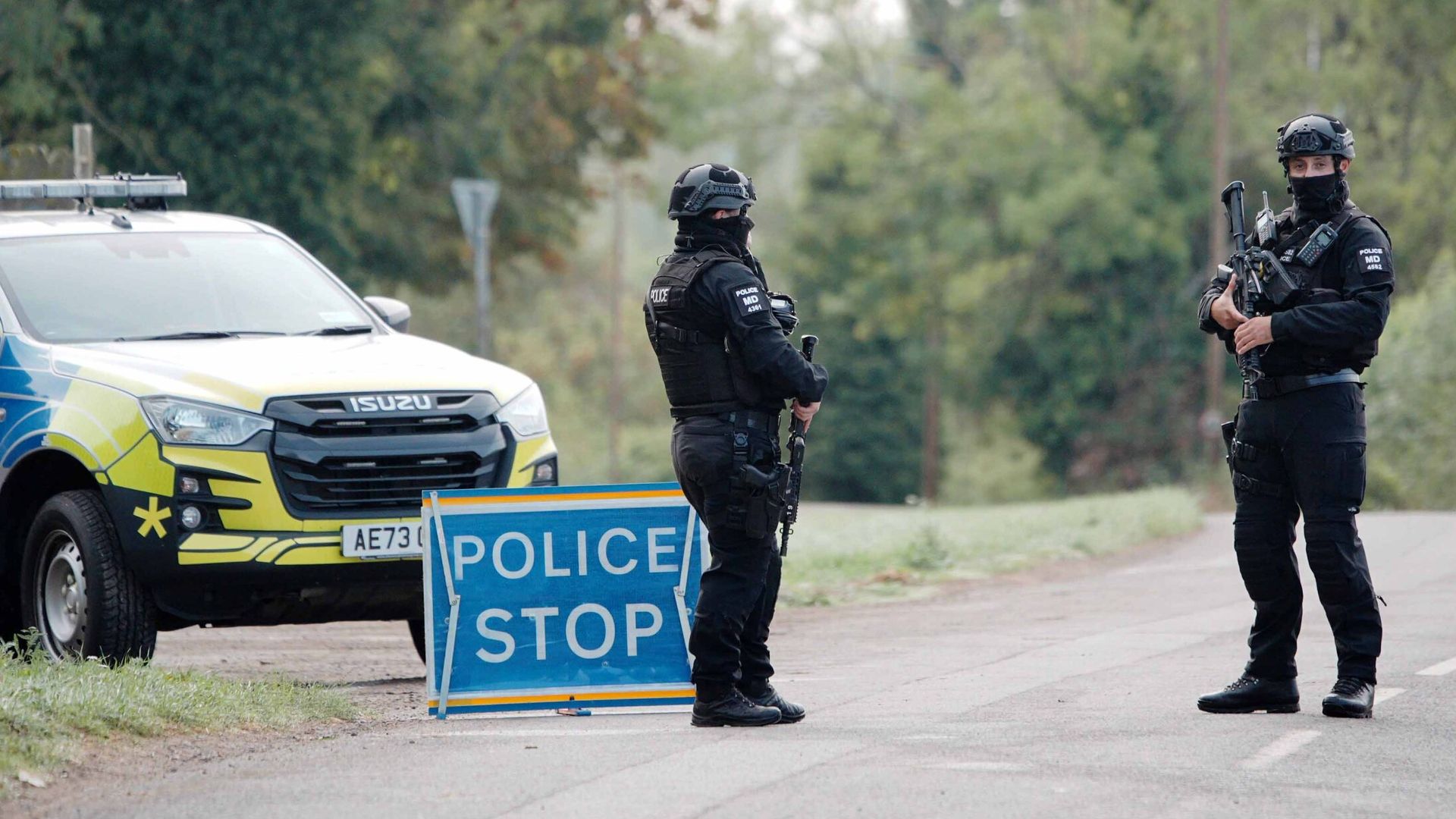
Police Scotland received reports shortly after midnight on Thursday of a serious crash involving a pedestrian on the M80 motorway near Denny. The incident occurred around 12:20 a.m. between junction 9 and junction 8 at the Sclandersburn Road overbridge.
Emergency services rushed to the scene, but sadly, the man was pronounced dead at the location. Authorities confirmed there were no other injuries linked to the collision.
In response to the severity of the incident, the motorway was closed in both directions, forcing drivers to seek alternative routes. The closure stretched for over 15 hours, with the northbound carriageway reopening shortly after 3:30 p.m. and the southbound lane following around 4:00 p.m.

Impact on Traffic and Motorists
The closure caused major traffic delays throughout the day, especially during peak rush hour. Motorists faced tailbacks of up to an hour heading northbound and approximately 20 minutes on the southbound side. Diversions extended the usual journey by roughly 17 miles, creating widespread inconvenience.
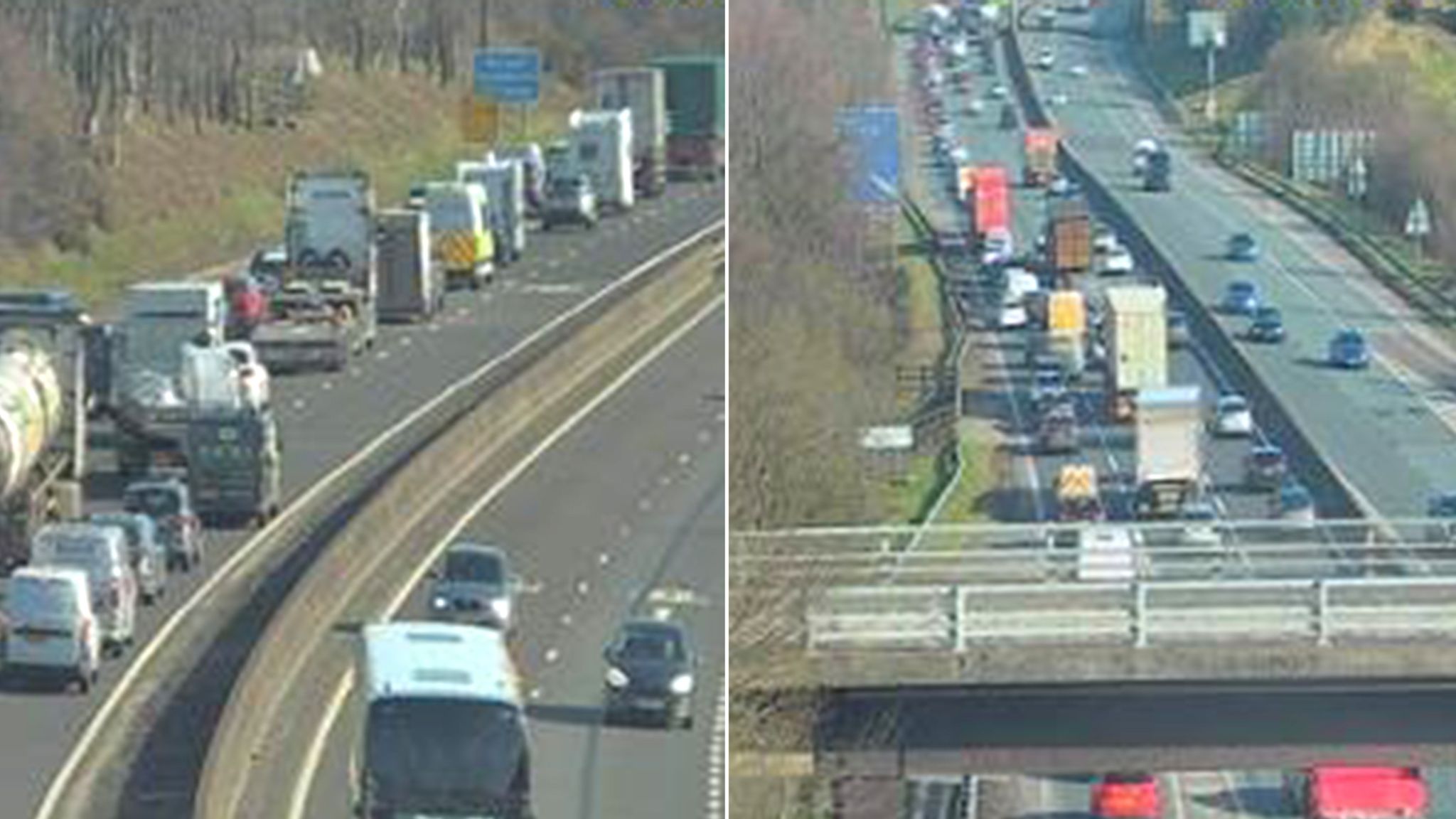
Traffic Scotland advised that because of the serious nature of the collision and ongoing police investigation, no precise reopening times could be confirmed initially. Once both lanes reopened, officials reported that traffic levels were gradually returning to normal for the time of day.
Ongoing Investigation and Police Appeal
Sergeant Michael Shillington spoke on behalf of Police Scotland, expressing condolences to the deceased man’s family and friends during this difficult period.
He emphasized that inquiries continue to determine the full circumstances surrounding the fatal collision. Police are urging anyone who witnessed the crash and has not yet come forward to contact them. Additionally, motorists who were in the area at the time and may have dashcam footage that could assist the investigation are encouraged to reach out to authorities.
The Scottish Fire and Rescue Service confirmed they were not called to attend the incident, indicating that the emergency response was primarily police and medical-based.
Why This Incident Matters
The M80 is a key arterial route connecting Glasgow and Stirling, critical for daily commuters and commercial transport. Extended closures on such motorways not only disrupt traffic flow but also impact local economies and emergency service responsiveness.
Fatal pedestrian collisions on major roads highlight ongoing road safety challenges, particularly in areas where pedestrian access intersects high-speed traffic. This tragedy underlines the importance of continued efforts in road safety education, infrastructure improvements, and driver vigilance.
As investigations proceed, police hope to piece together all factors leading to this fatal event to inform future prevention measures.
Looking Ahead
While the motorway has reopened, the community and motorists alike feel the aftermath of this devastating loss and disruption. Authorities remain committed to thorough investigation and transparent communication with the public.
For those traveling the M80 and similar routes, this incident serves as a somber reminder to stay alert and cautious, especially during nighttime hours when visibility and pedestrian presence can pose increased risks.
Full details of the collision and any subsequent findings have not yet been released, with Police Scotland continuing their inquiries.