

Pepsi and Diageo have decisively withdrawn their sponsorships from the upcoming Wireless Festival in London following the headline booking of rapper Kanye West, who has sparked widespread backlash due to his antisemitic remarks and controversial behavior. This move comes as political figures, including Sir Keir Starmer, publicly criticized the festival’s decision to feature West prominently.
What Happened: Sponsorships Withdraw Amid Controversy
The Wireless Festival, set to take place in London’s Finsbury Park this July, had announced Kanye West as the headliner for all three nights. This will mark West’s first performance in the UK since he headlined Glastonbury in 2015. However, the announcement ignited a storm of criticism due to West’s recent antisemitic statements and public provocations.
In response, Pepsi confirmed its withdrawal from the event, stating simply, “Pepsi has decided to withdraw its sponsorship of Wireless Festival.” Similarly, Diageo, the multinational company known for brands such as Johnnie Walker and Captain Morgan, announced on Sunday evening that it would no longer sponsor the 2026 festival. A company spokesperson said, “We have informed the organisers of our concerns and as it stands, Diageo will not sponsor the 2026 Wireless festival.”
The festival organizers have yet to issue a formal statement addressing the withdrawals or the controversy.
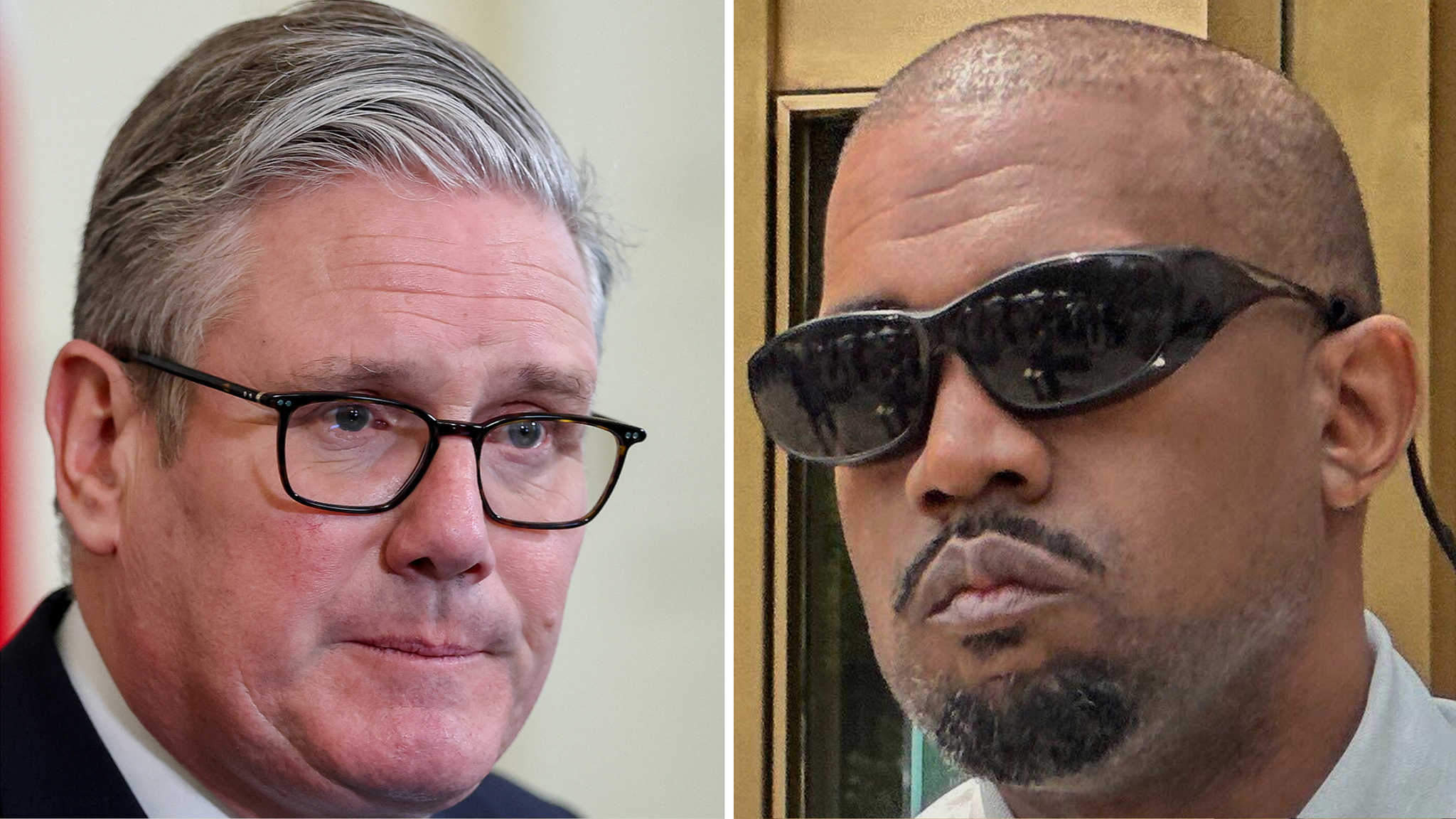
Why This Matters: Kanye West’s Antisemitic Conduct and Public Backlash
Kanye West, also known as Ye, has been at the center of multiple controversies involving antisemitic remarks over the past few years. His social media posts on X (formerly Twitter) included inflammatory content that led to repeated bans from the platform. West also made headlines for a Super Bowl advertisement promoting a swastika T-shirt and released a song titled “Heil Hitler,” which drew widespread condemnation.
Prime Minister Sir Keir Starmer called the booking “deeply concerning,” emphasizing that antisemitism “in any form is abhorrent and must be confronted clearly and firmly wherever it appears.” He underscored the government’s responsibility to ensure that Britain remains a safe and secure place for Jewish communities.
West’s antisemitic controversies are not new. In 2022, he lost his lucrative partnership with Adidas after sharing a post featuring a swastika inside a Star of David. Adidas responded by donating over $150 million (£117 million) to anti-hate organizations, signaling a strong corporate stance against hate speech.
Kanye’s Apology and Health Explanation
In January 2025, West placed a full-page apology in the Wall Street Journal titled “To Those I’ve Hurt,” asserting, “I am not a Nazi or an antisemite. I love Jewish people.” He attributed his troubling behavior to his struggle with bipolar-1 disorder, explaining that a four-month manic episode led to psychotic, paranoid, and impulsive actions he now deeply regrets.
West also apologized to the Black community, acknowledging he had let them down. Despite these apologies, public trust and corporate partnerships remain fragile due to the severity of his past conduct.
Political and Public Response: Calls for a UK Ban
The controversy has escalated into a political issue. Sir Ed Davey, leader of the Liberal Democrats, urged the government to ban West from entering the UK entirely. Davey said the Home Secretary, Shabana Mahmood, should take decisive action to “take antisemitism more seriously.”
However, reports indicate that the Home Office has not yet received any application from West to enter the UK, leaving the door open for further debate on whether such a ban would be legally feasible or politically supported.
Festival’s Future and Public Sentiment
The Wireless Festival faces a critical juncture as it navigates the fallout from West’s booking and the withdrawal of major sponsors. The decision to feature West, despite his history, has polarized public opinion and placed the festival’s reputation under intense scrutiny. Whether other sponsors or artists will follow Pepsi and Diageo’s lead remains to be seen.
What This Means: Cultural Impact and Corporate Responsibility
The withdrawal of Pepsi and Diageo highlights the growing expectation for brands and event organizers to take a firm stance against hate speech and discriminatory behavior, especially when associated with high-profile figures. This incident reinforces that corporate sponsorships are not just financial arrangements but also reflect brand values and social responsibility.
For the Wireless Festival and similar events, this controversy underscores the delicate balance between artistic freedom and public accountability. Booking a polarizing figure like Kanye West risks alienating audiences, sponsors, and political leaders alike, potentially jeopardizing future events.
As public awareness and activism around antisemitism and hate speech intensify, the music and entertainment industries may face increasing pressure to vet their headliners more rigorously and prioritize inclusive, respectful platforms.
Looking Ahead: Festival Organizers Under Pressure
With two major sponsors pulling out and political leaders condemning the headline booking, Wireless Festival’s organizers must now confront difficult decisions about the event’s direction. The controversy raises fundamental questions about the role of arts festivals in promoting or challenging harmful ideologies.
Stakeholders and audiences will watch closely to see if the festival responds transparently and responsibly to these concerns. The outcome could set a precedent for how cultural events manage controversies involving prominent but divisive artists in the future.
Full details on the festival’s response and any changes to the lineup have not yet been released.