Peter Murrell, the former chief executive of the Scottish National Party (SNP), has been officially stripped of his legal aid after his conviction for embezzlement. This development marks a significant turn in the ongoing legal saga surrounding one of Scotland’s most prominent political figures.
The Legal Aid Withdrawal: What Happened?
Legal aid is typically granted to ensure access to justice regardless of an individual’s financial means. However, convictions for serious financial crimes often lead to its revocation. In Murrell’s case, the withdrawal underlines the gravity of his offenses and the judicial system’s stance on misuse of public or organizational funds.
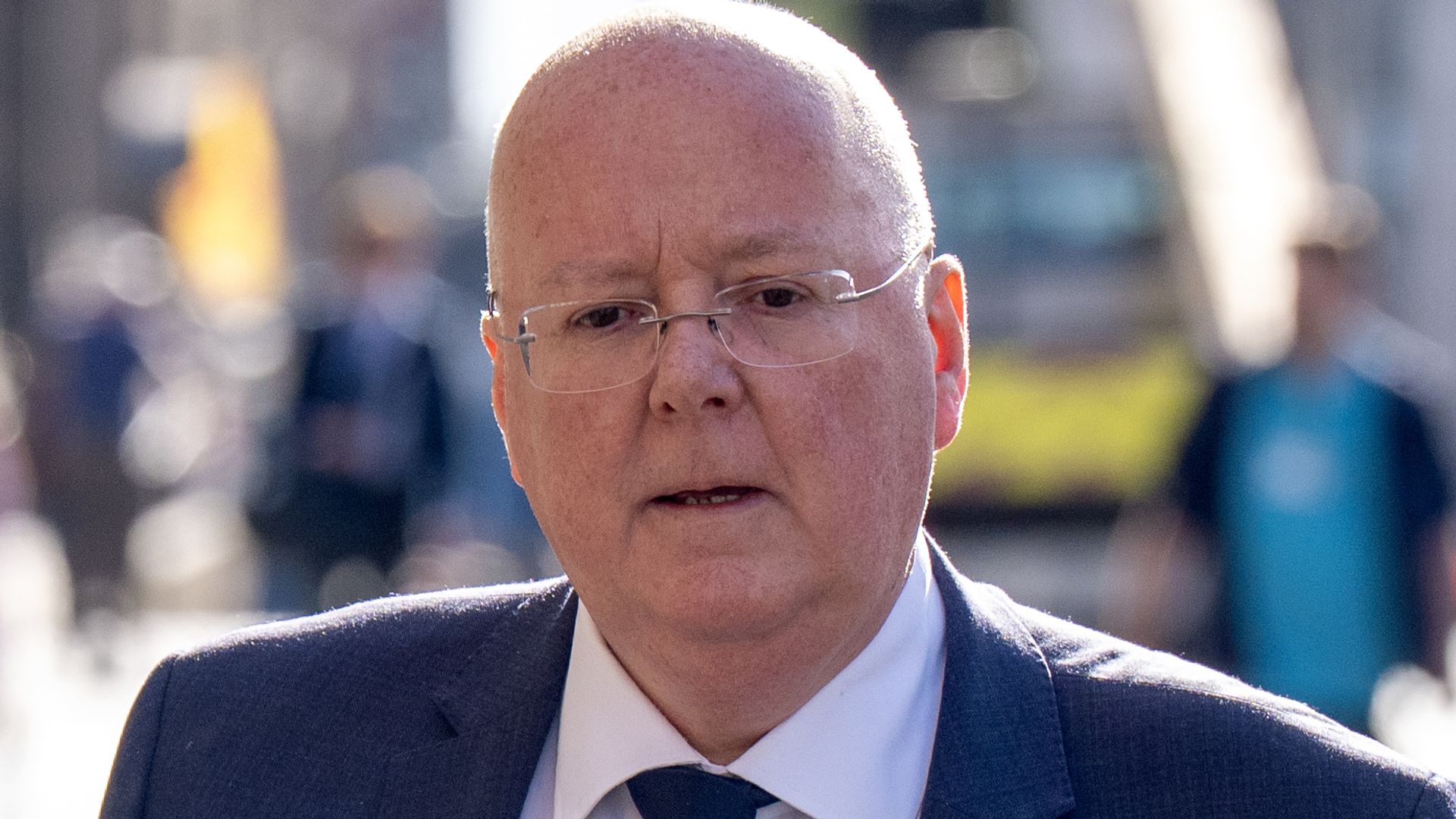
Background: Peter Murrell’s Role and Conviction
Peter Murrell served as the SNP’s chief executive for several years, a position that placed him at the helm of one of Scotland’s most influential political parties. His role involved overseeing party operations and finances, making the allegations of embezzlement especially significant given his fiduciary responsibilities.
Details of the embezzlement charges reveal that Murrell unlawfully diverted funds during his tenure, betraying the trust placed in him by both the SNP and its supporters. This breach of trust has not only damaged his personal reputation but also cast a shadow over the party’s internal governance and accountability mechanisms.
The conviction came after thorough investigations and legal proceedings, highlighting the judiciary’s commitment to addressing corruption and financial misconduct within political organizations.
Why This Matters: Implications for Scottish Politics and Legal Precedent
The withdrawal of legal aid from Peter Murrell sends a clear message about the consequences of financial crimes at the highest levels of political leadership. It emphasizes the principle that no individual, regardless of their status or past contributions, is above the law.
For the SNP, this episode raises questions about internal controls and transparency. As a party that has long advocated for accountability and ethical governance, the scandal challenges its public image and demands a reassessment of how it manages and monitors its financial affairs.
Moreover, this case sets an important precedent for future political and financial misconduct cases in Scotland. It reaffirms the judiciary’s resolve to uphold justice and maintain public confidence in democratic institutions.
What Comes Next?
With legal aid withdrawn, Peter Murrell faces increased pressure to cover his legal expenses independently if he chooses to pursue an appeal. The loss of state support could significantly impact his ability to contest the conviction or seek mitigation.
Meanwhile, the SNP will likely continue to grapple with the fallout from this scandal, potentially prompting internal reforms aimed at strengthening oversight and preventing similar incidents.
For observers and constituents, this case serves as a stark reminder of the importance of vigilance and ethical conduct in public office.
Takeaway: Accountability in Scottish Politics
The withdrawal of legal aid from Peter Murrell following his embezzlement conviction underscores the uncompromising standards expected of political leaders in Scotland. It highlights the legal system’s role in enforcing accountability and protecting public trust.
As the SNP and the broader political landscape respond to this event, the emphasis on transparency and ethical stewardship will be crucial in restoring confidence. This case illustrates that safeguarding democratic institutions requires constant scrutiny and a robust commitment to justice.